
Vandaag of morgen in huis

Kwaliteit gegarandeerd

Welkomstaanbiedingen ontgrendelen: GRATIS bezorging | Tot 80% korting | Gratis 30 dagen JoyPlus-proefperiode
Download de app
Buying Asian soft drinks might seem straightforward, but the range varies greatly in flavour, size, ingredients and when you might drink them. A Japanese ramune is quite different from a Korean cream soda, while a tropical fruit drink often contains no fizz. Terms like “fruity”, “natural” and “no added sugar” also don’t tell the whole story.
With this practical buying guide, you can compare Japanese soft drinks, Korean soft drinks, lychee drinks, mango fizzy drinks and yuzu lemonade based on verifiable product information.
Asian drinks often stand out thanks to colourful packaging, unusual bottles or well-known brand names. That makes a product interesting for a party, but you should also check the contents per pack, the number of units and the best-before date. A tray of cans is handy for a group, whereas a 1-litre bottle might be more suitable for a meal at home.
Look at the percentage of fruit juice and the ingredients list. Iam Superjuice Passionfruit, for example, states 30% passion fruit juice and 17 kcal per 100 ml. Iam Superjuice Mango also states 30% fruit juice and uses steviol glycosides as a sweetener. This information comes from the product details; always check the current label before purchasing.
A fruit-flavoured drink can also consist mainly of water, sugar, acidity regulators and flavourings. That’s not necessarily a problem, but it does give a different flavour profile compared to a fruit drink containing juice.
Products with no added sugar may still contain naturally occurring sugars from fruit. So always check the nutritional information per 100 ml. Also look out for sweeteners and allergens. LOTTE Milkis Melon, according to the product information, contains milk and soya. HATA Lychee Ramune lists colour E133. The packaging remains the primary source, as composition and labelling can change.
First, decide what kind of drink you’re after:
A ramune soft drink often has a playful character and goes well with Japanese snacks, hotpot or barbecue. A Korean soft drink like Milkis Melon combines fizz with a milky texture. That makes the choice largely dependent on your personal preference.
Pay attention to the balance between size and use:
A tray of 12 cans, such as Iam Superjuice, is efficient when several people want to try the same flavour. For a selection of different flavours, it’s better to combine individual packs.
Always check:
For chilled or opened drinks, the general rule is: keep refrigerated after opening and consume within the stated period. If you’re buying online, also compare the total volume with the price rather than just the price per pack.
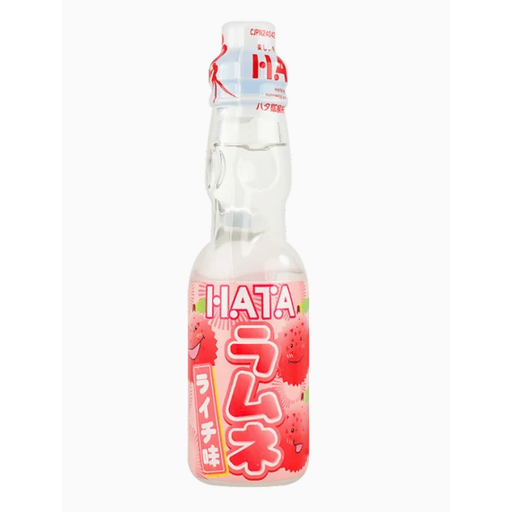
Why this fits the profile: The compact 200 ml bottle is ideal for trying a Japanese soft drink for the first time without committing to a large quantity. The lychee flavour works well with snacks, hotpot and barbecue.
The small size limits waste if the sweet-sour lychee flavour or the fizz doesn’t suit your taste. Check the current packaging for ingredients and colourings.
200 ml, carbonated and lychee flavour; an accessible portion for a tasting moment.
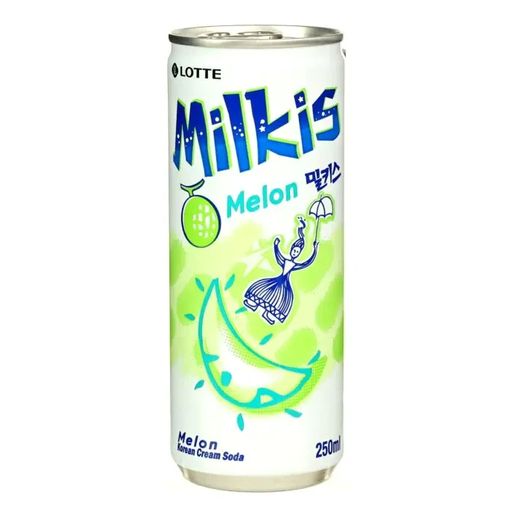
Why this fits the profile: This Korean soft drink is designed for those seeking an unusual flavour and texture profile. Melon, fizz and milk powder come together in a 250 ml can.
The product information clearly states 48 kcal and 12 g sugar per 100 ml. Milk and soya are also listed as allergens, so you don’t have to rely solely on the packaging.
250 ml can; melon flavour; carbonated milk drink; clear allergen information in the product description.

Why this fits the profile: The box of 12 cans of 330 ml is practical for parties, shared use or keeping a regular stock at home. The product listing mentions 30% mango juice and 17 kcal per 100 ml.
The pack size and nutritional values are clear upfront. “No added sugar” is not confused with zero sugar; always check the label and current composition before use.
12 × 330 ml; 30% mango juice according to the product information; suitable for serving chilled and sharing.
We’ve put together a full, up-to-date list of products that fully meet these strict selection criteria and comply with current European safety regulations.
You can compare different types online by size, flavour, ingredients, allergens and pack size. Search specifically for terms like Asian drink, exotic soft drink, tropical soft drink or order soft drinks online. With multipacks, always check the total volume and the best-before information.
Ramune is a Japanese carbonated soft drink often sold in a distinctive bottle. The flavour can be fruity, such as lychee. The difference lies mainly in the packaging, the flavour range and the presentation; check the ingredients and nutritional values per product.
Store an opened drink according to the label, usually chilled and well sealed. Fizz can disappear more quickly after opening. For drinks with fruit pieces or nata de coco, it’s especially important to follow the stated period after opening. The best-before date on the packaging applies primarily to an unopened product.
