
Vandaag of morgen in huis

Kwaliteit gegarandeerd

Welkomstaanbiedingen ontgrendelen: GRATIS bezorging | Tot 80% korting | Gratis 30 dagen JoyPlus-proefperiode
Download de app
Buying Asian snacks in the Netherlands may seem straightforward, but the wide selection can make it tricky to compare products. Attractive packaging tells you little about flavour, size, storage or whether a snack is right for your needs. If you choose based only on a product photo or a term such as “authentic”, you could end up with a snack that’s too small, dries out quickly or isn’t at all suitable for the occasion you had in mind.
Look out for these common pitfalls:
Think about when you plan to eat the snack. Small sweet treats, such as a Japanese cake, baumkuchen or red bean dorayaki, go well with coffee or tea. A frozen green onion pie may be a better choice for lunch, a get-together or a quick savoury bite.
A few practical categories:
For frozen products, always check that you have enough freezer space at -18 °C or lower. According to the available product information, a product that has fully defrosted must not be refrozen.
A 52 or 60 g pack is suitable as a treat for one. A multipack, such as 60 g × 12, is a better choice for a family, a well-stocked cupboard or a gathering. Individually wrapped snacks are handy for school, work or when you’re out and about, as you don’t have to open the whole pack at once.
Don’t just look at the total weight. Also check:
A small cake that’s relatively high in sugar or fat may still suit your snack break, but compare the nutritional information per 100 g when weighing up different products. This helps you avoid assuming that a smaller portion is automatically a lighter choice.
Wheat flour, egg, milk and soya are common ingredients in Asian cakes. For example, the Yuki & Love Mini Dorayaki is listed as containing wheat, egg and soya, and may contain traces of peanuts, milk, nuts and sesame. If you have an allergy, always check the current packaging, as recipes and labels can change.
Also look out for terms that can help you choose a flavour:
When a brand talks about freshness, production methods or a particular texture, treat this as the manufacturer’s description. A brand’s own research, for example, may describe a product as soft or flavoursome; the information you can verify is the ingredients list, nutrition table, packaging and cooking instructions.
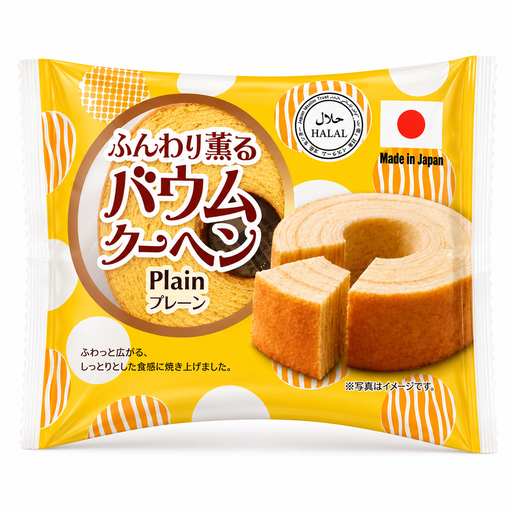
Why it suits this profile: A compact portion for trying Japanese snacks without buying a large pack straight away.
The 52 g portion makes the quantity clear. Be sure to check the listed allergens: egg, wheat, milk and soya.
Small pack, ready to eat and ideal for enjoying with coffee or tea.
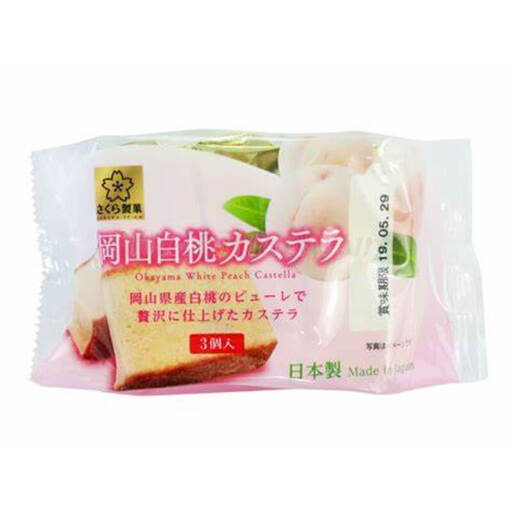
Why it suits this profile: The 130 g pack is ideal for sharing a fruity castella cake or serving it for dessert.
The product information lists the ingredients, allergens, nutritional information and storage advice. Check these details on the packaging before you buy.
130 g net weight, white peach flavour and a soft, cake-like texture according to the product description.
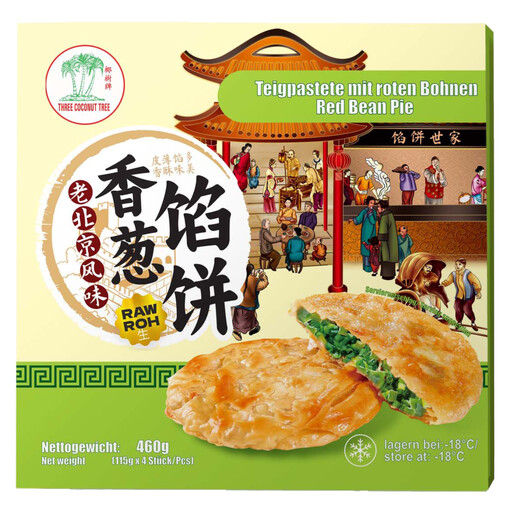
Why it suits this profile: For anyone looking for a savoury Asian speciality to cook at home instead of a ready-to-eat sweet snack.
The packaging clearly states that the product needs cooking and must be kept frozen. Make room in your freezer and follow the cooking instructions on the pack.
460 g pack, 15.3% green onion according to the ingredients list, and suitable for cooking at home.
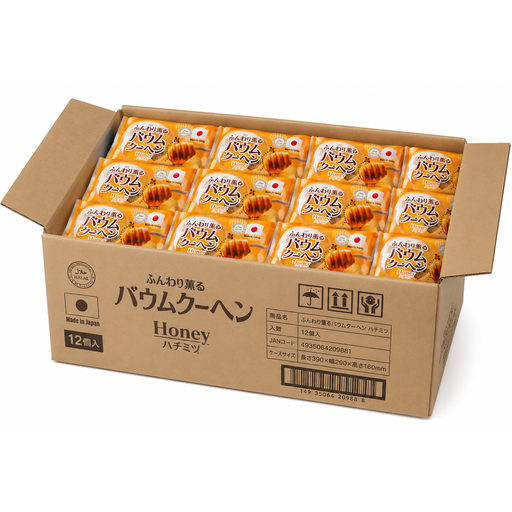
Why it suits this profile: This multipack is a practical choice when several people want to take an individually wrapped snack with them or share one.
The pack makes the number of portions clear. Before ordering, check the allergens and make sure the halal labelling matches what’s on the current packaging.
Twelve 60 g portions, individually wrapped, with honey listed as an ingredient.
We’ve put together a complete, up-to-date list of products that meet these strict selection criteria and the applicable European safety requirements.
Store dry cakes and biscuits in a cool, dry place away from sunlight and heat, following the label instructions. Frozen products, such as green onion pie, belong at -18 °C or lower. Always follow the packaging if the storage advice differs.
Baumkuchen, castella cake, mini dorayaki or milk cake are all handy choices to enjoy with coffee or tea. Choose an individually wrapped portion for one person, or a multipack when you’re having several guests over. Check the flavour first: honey, chocolate, red bean, milk and fruit each have a different profile.
The shelf life is shown on the packaging. Check the best-before date, storage conditions and any instructions for after opening. Once opened, it’s best to seal a cake well and eat it within the recommended period. If the packaging is damaged, it’s safer not to use the product.
