
Vandaag of morgen in huis

Kwaliteit gegarandeerd

Welkomstaanbiedingen ontgrendelen: GRATIS bezorging | Tot 80% korting | Gratis 30 dagen JoyPlus-proefperiode
Download de app
Buying Asian snacks in the Netherlands is easy, but the huge selection can make comparing products tricky. Packaging often features eye-catching colours, familiar characters and flavour names such as matcha, strawberry or teriyaki. However, that does not always tell you much about the contents, portion size or whether the product is suitable for your needs.
Three common pitfalls are:
Do not just compare the price per pack; also compare the price per 100 grams. An individually wrapped mochi, dorayaki or wafer is handy for a lunchbox or as a treat, while a larger pack is better suited to sharing at a party.
Also check the best-before date on the packaging. The remaining shelf life may vary between deliveries. If the packaging is damaged, it is best not to use the product. Ambient snacks should generally be stored in a cool, dry place away from direct sunlight. Once opened, a tightly sealed pack helps keep biscuits crisp and mochi soft.
Many sweet snacks contain sugar, vegetable oil and wheat flour. This applies, for example, to Japanese wafers, Pocky, Hello Panda biscuits and filled biscuits. The exact ingredients vary from product to product.
Pay particular attention to:
Use the product page as your first point of reference, but compare it with the physical label when your order arrives. Recipes and packaging can change.
Small portions such as Pocky, panda biscuits or a wafer are practical for eating on the go. For a gift hamper, you can combine different textures: crunchy Japanese biscuits, soft mochi, cake and savoury snacks.
Looking for something to serve with a meal? Choose sushi nori, onigiri or narutomaki, for example. Teriyaki-flavoured nori is intended as a standalone savoury snack or as a topping for rice, noodles and salad. For frozen products, pay close attention to the cold chain and the instructions on the packaging.
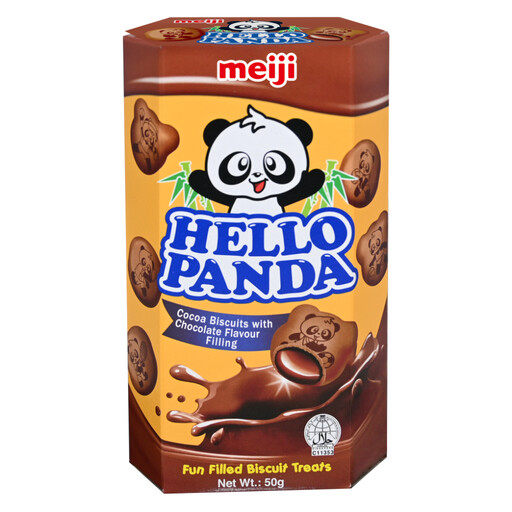
Why it suits this shopper: The 50g pack is a manageable way to try Japanese biscuits for the first time, without immediately buying a large quantity.
The net weight is clearly stated, and the ingredients list identifies milk, soya and wheat among the allergens.
50g per pack, chocolate filling and clear allergen information.
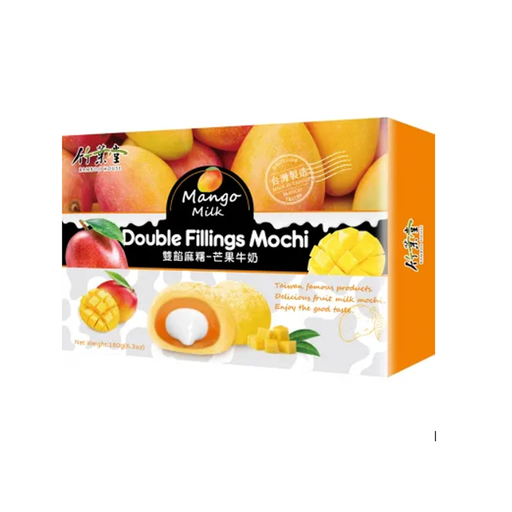
Why it suits this shopper: This Taiwanese mochi combines a soft rice-dough texture with mango and milky fillings. Individual wrappers make it easy to share.
The 180g weight and ingredients are stated clearly. Once opened, airtight storage is important to help prevent the rice dough from drying out.
180g, individually wrapped, with a double filling of mango and milk. Contains egg and milk.
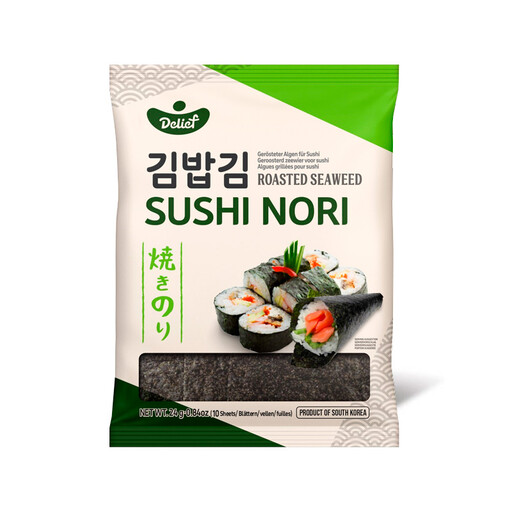
Why it suits this shopper: If you regularly make sushi, rice balls or Japanese meals, nori sheets for preparation are more useful than a standard snack pack.
The product description explicitly mentions using it for sushi and rice balls. That means you will not accidentally buy seasoned snack nori when you need plain nori.
24g of roasted nori, suitable for sushi and onigiri, and as an accompaniment to meals.
For a party or gift, you can combine different flavour profiles:
When placing a mixed order, pay attention to storage requirements. Ambient snacks can be kept in a kitchen cupboard, while onigiri and certain fish products must remain chilled or frozen. Small portions are handy for children, but always check the allergens and age suitability on the packaging.
We have put together a complete, up-to-date list of products that fully meet these strict selection criteria and the applicable European safety regulations.
You can buy Japanese snacks online through specialist ranges with clear product pages. Compare the net weight, ingredients, allergens, storage instructions and best-before date before placing your order.
Small, ambient portions such as Pocky, Hello Panda biscuits, wafers and individually wrapped mochi are practical. However, check whether the pack needs to be refrigerated and whether the ingredients are suitable for the recipient.
Store mochi according to the label in a cool, dry place, and seal the packaging airtight after opening. Sushi nori and nori snacks stay crispest when stored somewhere dry and in a tightly sealed pack. Always check the packaging for specific instructions.
