
Vandaag of morgen in huis

Kwaliteit gegarandeerd

Welkomstaanbiedingen ontgrendelen: GRATIS bezorging | Tot 80% korting | Gratis 30 dagen JoyPlus-proefperiode
Download de app
Buying Asian snacks is a great way to discover new flavours from Japan, China and Korea. However, eye-catching packaging can sometimes be misleading. A small bag may contain mostly air, a sweet snack may contain several types of sugar, and a spicy product may not suit everyone.
With a few simple checks, comparing Asian biscuits, crisps and confectionery becomes much easier. Below, you’ll find practical buying tips and a selection for different occasions, such as a film night, party, gift or store cupboard.
A large box or colourful bag does not automatically mean you’ll receive a large amount of product. Always check the net weight and, where there are multiple portions, the number of individual packs. For example, the Be&Cheery King Plum Bucket contains 500 grams divided into 70 portions, while an individual dorayaki weighs 55 grams.
For a party, larger packs or individual portions are practical. If you want to try a flavour first, a smaller size such as 40 to 100 grams is often the more sensible choice.
Japanese snacks, Chinese snacks and Korean snacks can contain flavours that may be less familiar in the UK. Think strong chilli, plum, sweet-and-sour fruit notes, cheese or a meaty spice blend. So don’t just look at the product name – check the flavour description and ingredients list too.
For savoury snacks, flavour enhancers, chilli and spices can have a significant impact on the taste. In sweet snacks, fruit powder, sugar, syrup or a filling usually give you a better indication of the flavour than the picture on the packaging.
Before buying a product from China, Japan or Korea, check the information that matters to you. Look out for gluten, milk, soya, egg, nuts, peanuts and sulphites. The products mentioned here, for example, regularly contain wheat or soya.
Always check the current packaging too. Product information may vary by batch or market. The labelling on the product you receive is the definitive source, particularly if you have allergies or specific dietary requirements.
Don’t compare prices only per pack. Where possible, compare them per 100 grams. A box with 20 portions can be convenient for sharing, while a bag of crisps may be more practical for a film night. Individual packs also help to keep snacks fresh after opening.
Ingredients are listed in descending order by quantity. For example, dried mango may contain at least 79.5% mango, along with sugar, glucose powder and maltose syrup. This makes it clear that it is a sweetened dried fruit snack rather than fresh mango.
The stated origin is useful too. According to the product information, the 165-gram Pringles Sour Cream & Onion and various Oreo and biscuit varieties in this selection are made in China. Yuki & Love’s dorayaki is a Japanese-style snack, but its country of origin is Taiwan. The style of a product and the country where it is made are therefore not always the same.
Use the nutritional information table to compare products within the same category. For crisps and biscuits, energy, fat, sugar and salt are useful points of comparison. Pringles Sour Cream & Onion, for example, lists 519 kcal and 1.1 grams of salt per 100 grams. The Wei Long konjac snack lists 114 kcal, but contains 3.2 grams of salt per 100 grams.
This does not automatically make a product suitable or unsuitable. It does, however, give you the information you need to make more mindful choices about portions and combinations.
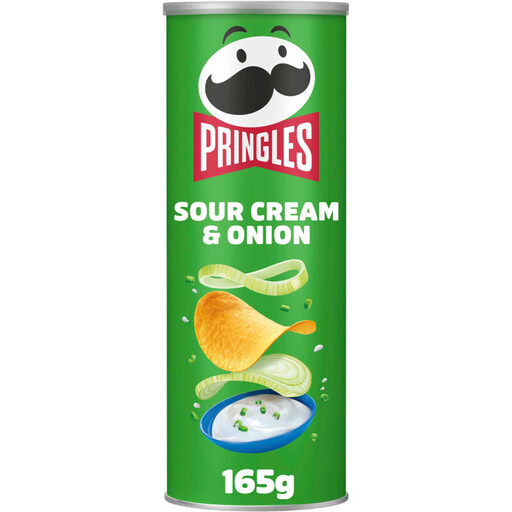
Why it suits this profile: A familiar potato snack in a resealable pack, ideal for trying crisps from the range for the first time.
The net weight of 165 grams is clearly stated. The ingredients and allergen information include wheat and milk, among other ingredients.
165 g, a resealable pack and clear nutritional information showing 519 kcal and 1.1 g of salt per 100 g.
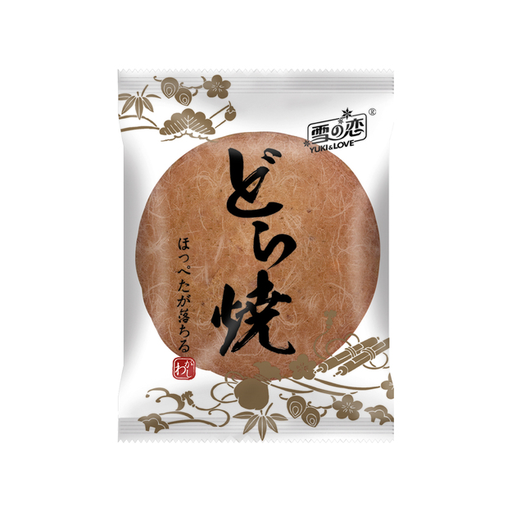
Why it suits this profile: A compact Japanese-style sweet treat with soft cake and red bean filling, perfect with coffee or tea, or as part of a small gift hamper.
The size, 32% red bean paste filling and allergens such as soya, wheat and egg are clearly specified.
55 g per piece, a soft texture and clear information showing 344 kcal and 32 g of sugar per 100 g.

Why it suits this profile: With 20 individual 18-gram packs, this spicy konjac snack is ideal for sharing, taking with you or enjoying over several snack occasions.
The portion size is predetermined. Do bear in mind the heat, soya, wheat and salt content of 3.2 g per 100 g.
360 g in total, 20 individual portions and a chewy-crunchy texture according to the product description.
We’ve put together a complete, up-to-date list of products that fully meet these strict selection criteria and the applicable European safety regulations.
Check the net weight, ingredients, allergens, nutritional values, best-before date and storage instructions. Also check whether the snack is sweet, savoury, spicy or sour. If you’re unsure about allergens, check the product packaging again after delivery.
Choose a combination of flavours and sizes. A larger bag of crisps, a tub of individual plum snacks or the 20 portions of Wei Long konjac snack are practical for sharing. Add sweet options such as Oreo biscuits, dorayaki or dried mango so guests can choose what they like.
Store unopened products according to the label, usually in a cool, dry place away from direct sunlight. Reseal biscuits and crisps carefully after opening. According to the product information, dried mango and plum snacks are best kept with the packaging tightly closed. If in doubt, always follow the storage and shelf-life information on the packaging.
