
Vandaag of morgen in huis

Kwaliteit gegarandeerd

Welkomstaanbiedingen ontgrendelen: GRATIS bezorging | Tot 80% korting | Gratis 30 dagen JoyPlus-proefperiode
Download de app
The online selection of Asian snacks has exploded in recent years. From soft mochi to savoury crackers, the choice is vast. But with this popularity come certain pitfalls. Many buyers feel misled by slick marketing or are disappointed by the products upon arrival. If you're considering buying Asian snacks online, it's helpful to know what to look out for.
Before you fill your digital shopping cart, it's wise to consider a few common problems. This will help you avoid disappointment and save money.
To make an informed choice, focus on a few concrete specifications. These will give you a much better idea of the product than any marketing claims.
The ingredients list is your most important source of information. Always check it for allergens like gluten, nuts, soy, and milk. The origin (e.g., Japan, Taiwan, or China) often gives an indication of the flavour profile. For instance, Japanese sweets are known for their refined and sometimes subtle flavours, while Taiwanese sweets are often fruitier and sweeter. A product like dorayaki has a very specific origin and flavour profile.
For many Asian snacks, like mochi or cakes, it's all about the combination of texture and filling. Pay close attention to the description. Is it a paste (like red bean paste), a cream, or a jelly? The texture of the outer layer is just as important. Terms like chewy, soft, or fluffy provide a good indication. If you're specifically looking into buying mochi, the description of the glutinous rice texture is essential.
Look closely at the net weight and the number of items in the package. An Asian cake that is individually wrapped stays fresh longer and is easier to take with you or share. This is a practical advantage that is often more important than a flashy box design.
Based on clear product characteristics, we have selected a few options that cater to different preferences.
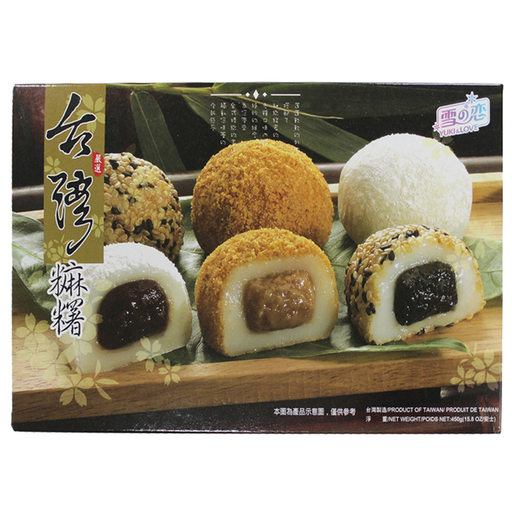
Why This Fits Their Persona: Ideal for those new to buying mochi. This gift box contains three different, classic flavours (sesame, peanut, and red bean), so you don't have to commit to a large pack of a single, unfamiliar flavour.
This product avoids the trap of vague flavour descriptions. The box clearly specifies the three fillings, so you know exactly what to expect. It's an honest introduction to a variety of flavours.
Contains three popular flavours in one package. The mochi are individually wrapped, which helps maintain freshness and makes them easy to share.
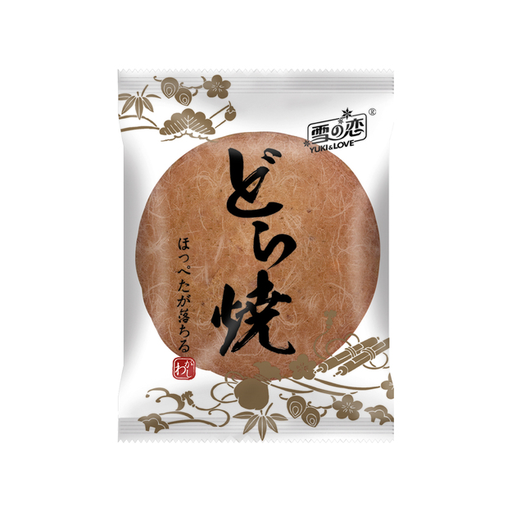
Why This Fits Their Persona: For those seeking a specific, classic Japanese snack. Dorayaki is a well-known product, consisting of two pancakes with a red bean paste filling. This is a no-nonsense choice for a traditional taste.
This product bypasses the "authenticity" trap by being highly specific. It's not a vague "Asian cake," but a Dorayaki. The name itself refers to a traditional recipe, which correctly sets expectations.
A soft cake with a sweet, but not overpowering, red bean paste filling. The portion is perfect for a snack with tea or coffee.
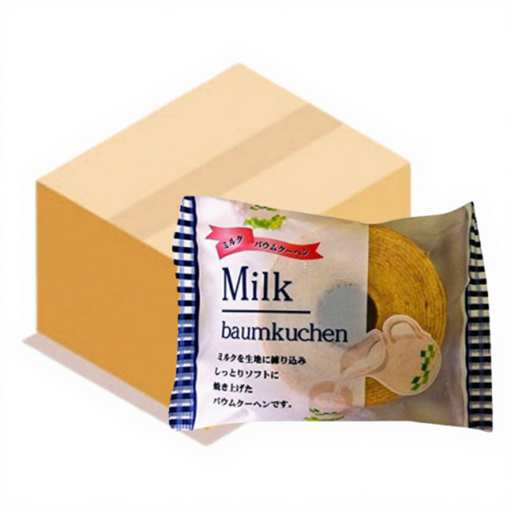
Why This Fits Their Persona: For those who want something different from the standard cake. Baumkuchen is a Japanese cake with German roots, known for its distinctive layers. The soft texture and rich milk flavour make it a unique treat.
The product description is clear about its ingredients (including whole milk and condensed milk) and its unique, layered structure. This prevents the disappointment of a generic, dry cake.
Soft, airy texture with a creamy milk flavour. The bulk pack with 30 individually wrapped portions is convenient for the office, at home, or on the go.
We've compiled a complete, up-to-date list of products that meet these selection criteria and current regulations.
Most soft cakes and mochi are best stored in a cool, dry place, away from direct sunlight. Once opened, it is advisable to consume them quickly to preserve their soft texture. Some products, like mochi, can harden in the refrigerator. Always read the storage instructions on the packaging.
Although both are made from glutinous rice, there are often differences in filling and sweetness. Japanese mochi often has traditional fillings like red bean paste (anko) or matcha. Taiwanese mochi is known for a wider range of fillings, including tropical fruits like mango, and is often a bit sweeter and softer in texture.
No, that's a misconception. While there are many sweet confections, there are also countless snacks with subtle, complex, or even savoury flavours. For example, flavours like matcha (green tea), black sesame, and red bean are sweet but also have a slightly bitter or nutty undertone that is very different from the sweetness of many Western snacks.
