
Vandaag of morgen in huis

Kwaliteit gegarandeerd

Welkomstaanbiedingen ontgrendelen: GRATIS bezorging | Tot 80% korting | Gratis 30 dagen JoyPlus-proefperiode
Download de app
Buying Asian snacks in the UK is straightforward, but the range varies greatly in flavour, portion size, ingredients and shelf life. Whether you're looking for Korean snacks, Japanese snacks or Thai varieties, a flashy packet alone isn't a good enough reason to add something to your basket.
Pay particular attention to three common pitfalls:
With the right checks, you can compare products on practical features rather than on advertising.
Don't just compare the number of bags or bars. A box with several small packets can be handy for a party or on the go, but the total amount determines the value.
Look out for:
A product like Mamee Monster Noodle Snack comes in a multipack with 25g portions. That makes sharing easy, but always check the current packaging and contents when you buy.
EU rules on allergen information require sellers to clearly list important allergens. Check this especially for Korean snacks and Japanese snacks, where ingredients such as soya, sesame, milk, egg and wheat are common.
Examples from the range:
If in doubt, always check the ingredients list on the packaging. Recipes and labels can change. A product description is a helpful guide, but the physical label remains the final authority.
A snack is meant as a treat between meals. Terms like “natural”, “light” or “no artificial colours” don't automatically tell you anything about the overall nutritional value. According to the brands' own product information, such features may relate to just one part of the recipe, not the full nutritional profile.
So compare per 100g:
For example: Gusto Wasabi Corn Puffs contain, according to the product information, 528 kcal and 1.8g of salt per 100g. The Bibigo Crispy Seaweed Snack with sesame lists 601 kcal and 2.9g of salt per 100g. Figures like these help you judge portions realistically.
The right choice depends on the occasion. For a film night, Asian crisps, corn snacks and sweet treats are practical. For on the go, individually wrapped products are more convenient. If you want to try new flavours, you can go for durian, wasabi, bulgogi or fruity varieties.
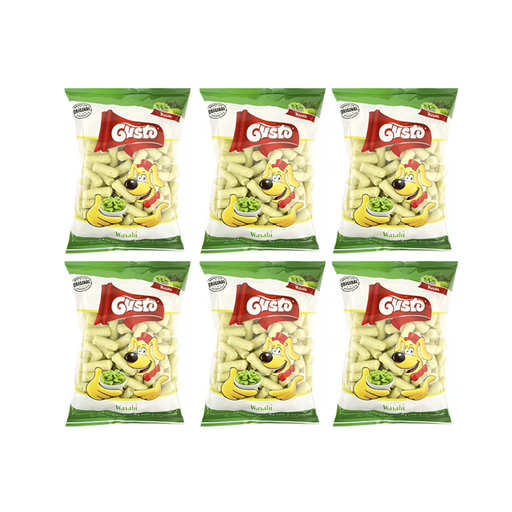
Why this fits the profile: The multipack contains six packets and is ideal for trying a new savoury flavour in small amounts.
The contents and portion breakdown are clearly stated. This gives you a better idea of what you're actually getting than a large but relatively empty packet.
Six packets totalling 80g; according to the product information, vegetarian with a distinctive wasabi flavour.
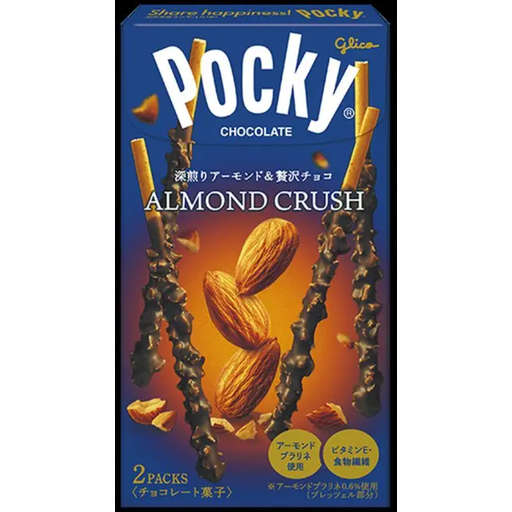
Why this fits the profile: The individual portions are perfect for sharing, a lunchbox or a sweet moment with coffee.
The product information lists wheat, milk and soya, so you can take allergens into account before buying.
Two portions of 46.2g per pack; crunchy biscuit sticks with a cookies-and-cream flavour according to the product description.

Why this fits the profile: Handy small packets are ideal for a quick snack, with rice dishes or as an addition to a Korean meal.
The product information explicitly lists sesame as an allergen. The portions also reduce the risk of an opened seaweed snack being exposed to moisture for too long.
Three portions; ingredients according to the listing are seaweed, rapeseed oil, sesame oil and salt.
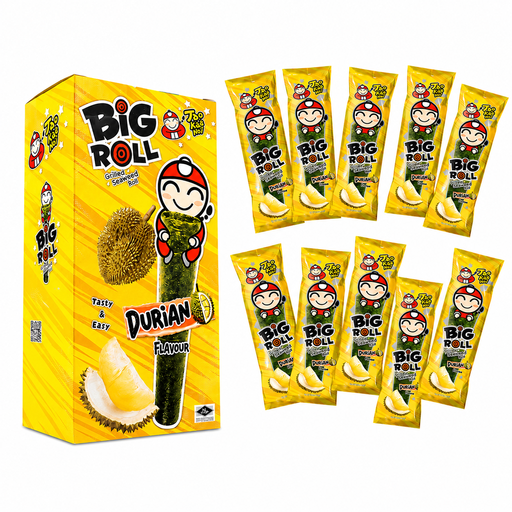
Why this fits the profile: This Thai snack combines crispy roasted seaweed with a distinctive durian flavour for anyone looking for something different from ordinary crisps.
The total content of 18.9g and nine individually wrapped rolls are clearly described. This makes the small quantity visible upfront.
Nine individually wrapped rolls; ready to eat and, according to the product information, from Thailand.
We've put together a full, up-to-date list of products that fully meet these strict selection criteria and comply with current European safety regulations.
Choose small, individually wrapped products that don't need refrigeration. Seaweed snacks, Pocky, noodle snacks and dried mango are practical for work, study or on the go. Store opened crunchy snacks in an airtight container to prevent moisture and loss of texture.
The shelf life is printed on the packaging. Unopened snacks should generally be stored in a cool, dry place away from direct sunlight. Once opened, quality can decline more quickly, especially with seaweed, crisps and corn snacks. Always check the date and storage instructions on the specific packet.
Check the ingredients, allergens and nutritional values per 100g. With dried mango, added sugar and sulphites are important points to consider. With seaweed snacks, sesame oil and salt are common. Nut snacks, such as macadamia nuts, contain the relevant allergen and should be stored separately from other products when necessary.
With these checks, you can buy snacks online more purposefully: compare the contents, read the label and match the flavour to the occasion when you want to eat the snack.
