
Vandaag of morgen in huis

Kwaliteit gegarandeerd

Welkomstaanbiedingen ontgrendelen: GRATIS bezorging | Tot 80% korting | Gratis 30 dagen JoyPlus-proefperiode
Download de app
Buying Asian snacks can be surprisingly straightforward, but the range varies greatly in flavour, size, ingredients and shelf life. A striking packet doesn't tell you much about what you'll actually receive. With Korean snacks, Japanese sweets, mochi and konjac jelly in particular, it pays to check the label and portion size first.
Three common pitfalls to watch out for:
Don't just read the front of the packet. The ingredients are usually listed in descending order by weight. With gummies and lollipops, look out for gelatine, colourings and sweeteners. Mochi can contain milk and egg, while rice crackers often include soya or sesame.
A concrete example is BAMBOO HOUSE Double Filling Mango Mochi: according to the product information, this mochi contains egg and milk. PHILIPPINE BRAND Dried Mango lists sulphites. If you have an allergy, intolerance or specific dietary preference, it's wise to check the actual packaging before consuming.
The origin also provides context about the product. The mochi mentioned is made in Taiwan, Jelly B Konjac Jelly in Korea and MUSHAN BASE Dried Strawberry Slices in China. That doesn't automatically say anything about taste or quality, but it does help when comparing ranges.
Compare products based on price per 100 grams, not just the total price. A box of nine small chocolate bars can be practical for sharing, while a bag of dried fruit has a different portion size.
Also look at the nutritional values per 100 grams and, where available, per portion. The MUSHAN BASE strawberry slices contain 313 kcal and 57.4 grams of sugar per 100 grams, according to the product information. That makes them suitable as a dried fruit snack, but "fruit" doesn't mean you can ignore the nutritional values.
For Jelly B Konjac Jelly Peach, 10 kcal per 150 ml portion is stated. The product description also mentions erythritol, sucralose and acesulfame-K. If you prefer to use fewer sweeteners, you can make a different choice based on this information.
Heat, moisture and direct sunlight affect the texture of snacks. Chocolate can discolour or melt, mochi can dry out, and cotton-candy-style sweets can shrink when exposed to moisture.
So pay attention to:
For chocolate, such as Nestle Kitkat Strawberry Short Cake, storage below 28 °C in a dry, cool place is recommended. The individual portions can be handy for a treat or gift packaging.
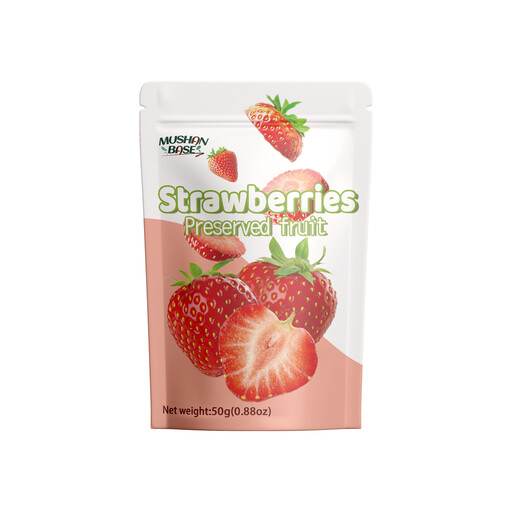
Why this suits the profile: A small 50-gram packet is manageable when you want to try Asian snacks for the first time. The slices are ready to eat and can also be added to yoghurt or desserts.
The net weight and simple ingredients list are clearly stated. The addition of sugar is explicitly mentioned, so you don't confuse "dried fruit" with fresh fruit.
50 grams; two listed ingredients; suitable as a snack or topping; store in a cool, dry place.
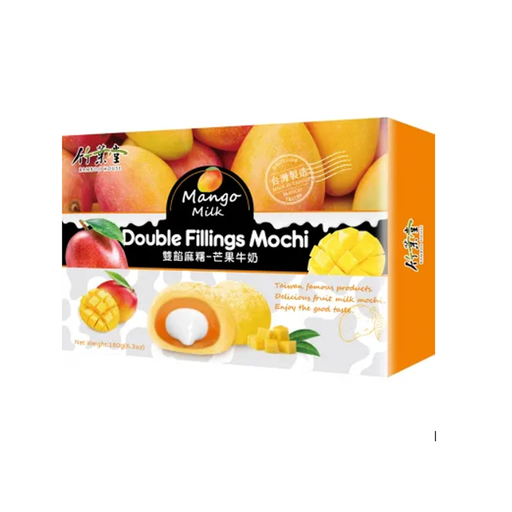
Why this suits the profile: This Taiwanese mochi combines a mango and milky filling with a soft rice layer. Individual wrappers make sharing and storing more practical.
The product information states the origin, net weight and allergens. This means you can see in advance that this product contains egg and milk.
180 grams; double filling; individually wrapped; ready to eat.
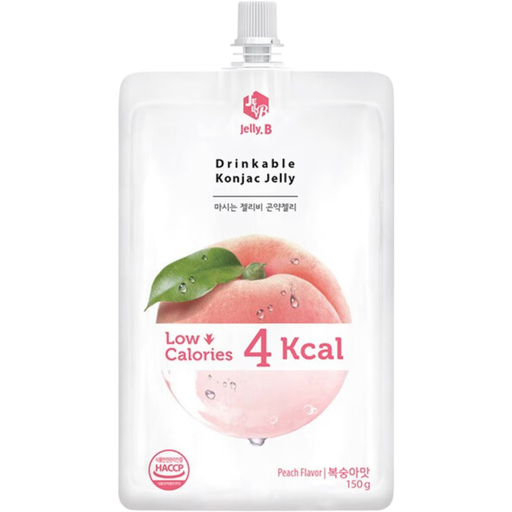
Why this suits the profile: The 150 ml pouch is easy to take to work, school or a day out. The drinkable texture is different from traditional Asian sweets.
The packaging lists ingredients, allergens and nutritional values. Always check the usage instructions upon receipt and do not use a damaged pouch.
150 ml; Korean origin; natural colourings according to the product information; compact size.
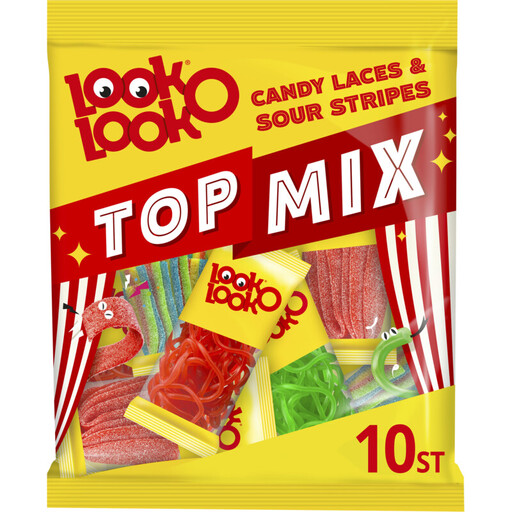
Why this suits the profile: Ten small portion packs are practical for a birthday, treat or sweet jar. The mix includes strawberry, apple and tutti frutti flavours, among others.
The number of portions is clear in advance: ten pieces. The product information also lists gluten-containing cereals and wheat as allergens.
215 grams; ten portions; multiple flavours; suitable for sharing.
Choose mochi when you're mainly looking for texture and a dessert-like snack. Konjac jelly suits those who want to try a compact, drinkable snack. For a fruity option, compare dried fruit with gummies, chocolate or lollipops. If you want to put several flavours on the table, you can opt for a mixed pack or a combination of Korean snacks and Japanese sweets.
When buying snacks online, always pay attention to the current product page, because ingredients, packaging and shelf-life information can change. If in doubt, always check the label.
We've put together a full, up-to-date list of products that fully meet these strict selection criteria and comply with current European safety regulations.
Individually wrapped mochi, small bags of gummies and mixed boxes with multiple portions are practical for a party. Check the number of pieces and the allergens in advance, especially if several guests will be eating.
This varies by product. Store dried fruit, sweets and mochi according to the packaging in a cool, dry place. Seal opened packets well and be extra careful with chocolate in warm conditions. The exact best before date is on the packaging.
Check the ingredients, portion size and usage instructions. With konjac jelly, the texture is different from gummies; with mochi, the soft rice layer plays an important role. Choose a small size when you want to try a new texture for the first time.
