
Vandaag of morgen in huis

Kwaliteit gegarandeerd

Welkomstaanbiedingen ontgrendelen: GRATIS bezorging | Tot 80% korting | Gratis 30 dagen JoyPlus-proefperiode
Download de app
Buying Asian snacks can be surprisingly tricky. Packaging often features eye-catching flavours, colourful characters and terms like “matcha”, “mango” or “milk flavour”. But that description doesn’t always tell you how much of the stated ingredient is actually present. What’s more, small packets can work out relatively expensive, and ingredients vary widely from product to product.
With these checks, you can compare Japanese snacks, Asian sweets, mochi and biscuits more practically. That way, you’ll find a snack that suits your taste, the occasion and your budget.
A product labelled as matcha or mango flavour doesn’t automatically contain a large amount of matcha or fruit. For example, the ingredients list for Mochi Creamy Matcha Latte includes tapioca syrup, sugar, milk filling, glutinous rice and 0.6% matcha powder. Green tea powder and natural matcha flavouring have also been added.
So always check the ingredients list and the quantitative ingredient declaration when a flavour is the main selling point. This way, you’ll know whether to expect a fruity, milky, chocolate or tea taste.
Buying Pocky in a 35g or 40g packet is handy for on the go, a lunchbox or a treat. However, the price per 100g can be higher than for a 180g or 220g bag. For a family or a party, multi-packs and a sweet mix are sometimes more practical.
So don’t just compare the price per bag – also look at:
Soft sweets, gummies and mochi react differently to heat and moisture than Japanese biscuits or Asian wafers. A mochi can become firmer if stored incorrectly, while a wafer can lose its crunch. Store snacks according to the label: usually in a cool, dry place away from direct sunlight. Seal an opened packet properly.
Read the allergen information for every product. Many Asian treats contain wheat, milk, soya or egg. Other products may contain traces of nuts, peanuts or sesame due to shared production lines.
Examples from the range:
The product information on a website may differ from the packaging. Therefore, always check the physical label before consuming, especially if you have an allergy or intolerance.
First, decide which texture you’re after:
Also look out for colourings and sweeteners. For example, ENNJOI TART SHAPED GUMMY carries a warning that E102 and E110 may have an adverse effect on activity and attention in children. This is a legal warning based on product information, not a medical assessment.
For snacks on the go, small packets are ideal. Glico Pocky Animal Milk Chocolate and Strawberry Milk Flavor are both packed in 35g portions. For sharing at a birthday party or film night, Fruitella Mix or Minis at 410g and Lonka Fudge Caramel at 220g make more sense.
With larger packets, pay attention to the closure. A resealable bag helps preserve aroma, moisture and texture better, but it doesn’t replace the storage instructions on the packaging.
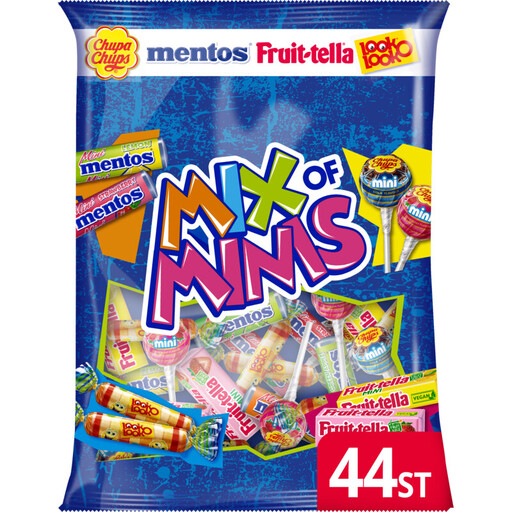
Why this fits the profile: The large bag contains individually wrapped sweets from Fruitella, Mentos, Chupa Chups and Look-O-Look. This means you can try several flavours and share them easily.
The 410g content stops you paying relatively more for a small trial bag. The variety of types makes the purchase less dependent on one unknown flavour.
410g, individually wrapped and, according to the product information, free from the 14 main EU allergens.
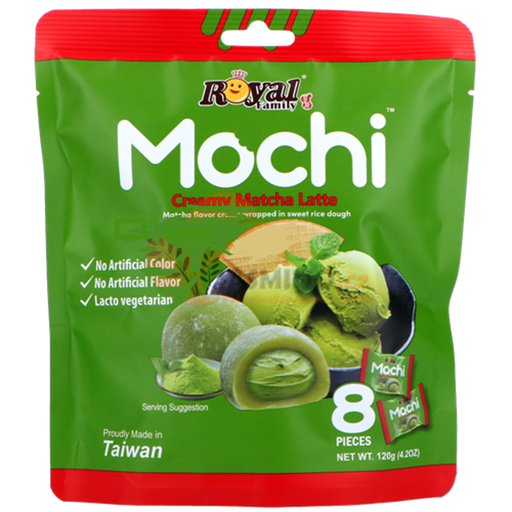
Why this fits the profile: For anyone looking for a soft snack with a distinctive but not overly sweet flavour. The combination consists of a glutinous rice layer, a milky filling and matcha ingredients.
The ingredients list makes it clear that the matcha flavour is supplemented with green tea and natural flavouring. So you buy with realistic expectations.
120g, soft mochi texture and milk and soya information clearly stated.

Why this fits the profile: The compact packet fits in a bag, desk drawer or lunchbox. The combination of crunchy biscuit sticks and chocolate is a familiar choice for everyday snacking.
The product information states the portion size, allergens and nutritional values. This means you can choose the small packet purposefully rather than just going by the packaging.
47g, crunchy texture and ingredients including wheat, milk and soya clearly indicated.
We’ve put together a full, up-to-date list of products that fully meet these strict selection criteria and comply with current European safety regulations.
Use this short sequence when comparing online:
You can compare Asian snacks online by flavour, brand, content and allergen information. A wide range includes Japanese snacks, matcha snacks, Pocky, mochi, Asian wafers and chocolate biscuits. Always check the current product page and the label before purchasing.
Mochi usually has a soft, chewy outer layer made from glutinous rice. The filling can be milky, fruity or tea-based. Ordinary soft sweets and gummies are generally firmer and are made with sugar, syrup, gelling agents and flavourings. The exact texture varies from product to product.
That depends on the type of snack and the packaging. Store dry biscuits and wafers in an airtight container to keep them crunchy. Mochi can become harder if stored incorrectly. Always refer to the best-before date and storage instructions on the original packaging and consume an opened product according to those guidelines.
