
Vandaag of morgen in huis

Kwaliteit gegarandeerd

Welkomstaanbiedingen ontgrendelen: GRATIS bezorging | Tot 80% korting | Gratis 30 dagen JoyPlus-proefperiode
Download de app
Buying Asian snacks can be surprisingly tricky. On photos, packets look large, yet the contents can sometimes be limited. What’s more, words like “natural”, “plant-based” or “no artificial additives” don’t automatically tell you anything about the sugar, salt or calorie content.
So pay particular attention to these three common pitfalls:
A large packet with few portions
A bag or box might look roomy, but always check the net weight and the number of individual portions. For a party, multipacks are often more practical than one large bag.
Confusing marketing language with nutritional information
Dried fruit is often low in fat, but can contain a lot of sugar per 100 grams. For example, red dates list 66.5 grams of sugar per 100 grams in the product information. So don’t just look at words like “pure” or “natural”.
Skipping allergens and additives
Chinese snacks, Japanese snacks and other international products can contain ingredients you might not expect, such as soya, sesame, milk, wheat or sulphites. Check the ingredients list and allergen information before you check out.
Compare products by price per gram, not just the price of the packet. A 180-gram bag isn’t automatically better value than several smaller bags with a similar total weight.
For on-the-go, lunchboxes or an office stash, individually wrapped snacks are handy. For a drinks party or film night, larger packets work better. Pringles Hot & Spicy, for instance, comes as 12 sachets of 40 grams. That makes sharing easy and stops an opened packet from sitting around for ages.
The first ingredients listed are usually present in the largest amount. With dried fruit, that could be the fruit itself, but also sugar or syrup. Be&Cheery Dried Red Apricots contains at least 60% apricot according to the product information, alongside sugar, maltose syrup, an acidity regulator and sulphites as a preservative.
With spicy snacks, look at the flavourings used. Sichuan pepper gives a tingling, numbing sensation that’s different from regular chilli. Dianerwa Fresh-Cut Wavy Potato Chips contains chilli powder, Sichuan pepper and soya, among other things. That’s useful information if you’re after spicy or vegetarian snacks, but also for anyone with a soya allergy.
The nutritional information table per 100 grams makes products easier to compare. For sweet snacks like mochi, date snacks and dried fruit, the sugar content is particularly relevant. For savoury snacks and crisps, fat and salt are practical points of comparison.
Also look out for:
What’s more, “vegetarian” doesn’t automatically mean allergen-free. Pringles Ketchup is labelled as suitable for vegetarians according to the product information, but it does contain wheat and milk.
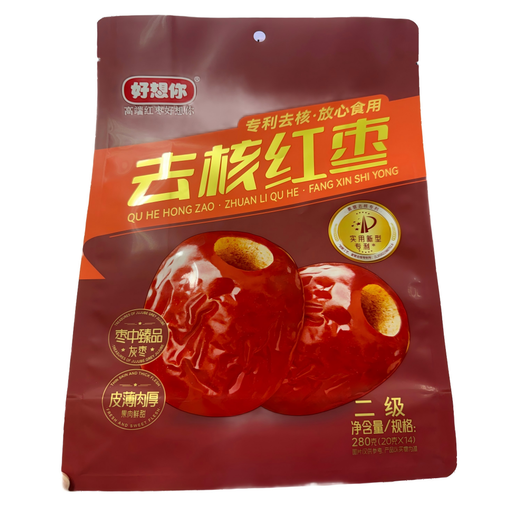
Why this suits the profile: This soft date snack is ready to eat and, according to the product information, has just one ingredient: red dates. That makes it a straightforward choice for anyone trying Asian snacks for the first time.
The packet states 280 grams and a simple ingredients list. Do check the sugar content of 66.5 grams per 100 grams, though.
280 grams, pitted according to the product name, ready to eat and with no listed allergens.
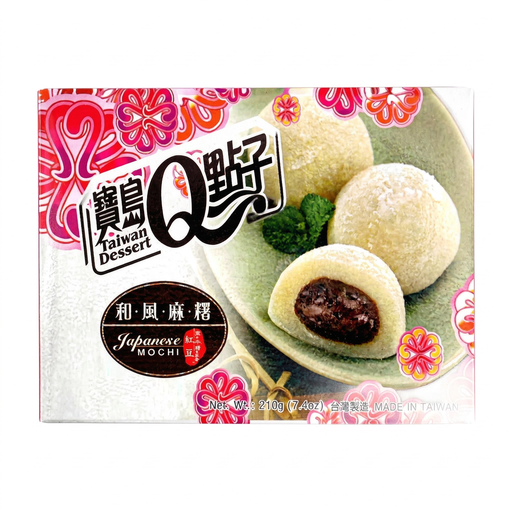
Why this suits the profile: If you’re after a soft, chewy texture, mochi offers a different kind of snack to crisps or sweets. The combination of glutinous rice and sweet red bean paste suits a quiet tea-time moment.
The product information states the weight of 210 grams and lists the preservative sorbic acid. That way you can assess the texture and ingredients in advance.
210 grams, soft glutinous rice texture and red bean filling; may contain traces of gluten-containing cereals.

Why this suits the profile: This spicy vegetarian snack is aimed at fans of chilli oil, soya and a firm, chewy texture. Individual portions make it suitable for work, on-the-go or a film night.
The product information states 180 grams, a portion size and clear allergens: soya, sesame and wheat. The salt content is 3.2 grams per 100 grams.
180 grams, 84 kcal per 100 grams according to the product information and individually wrapped; refrigerate after opening.
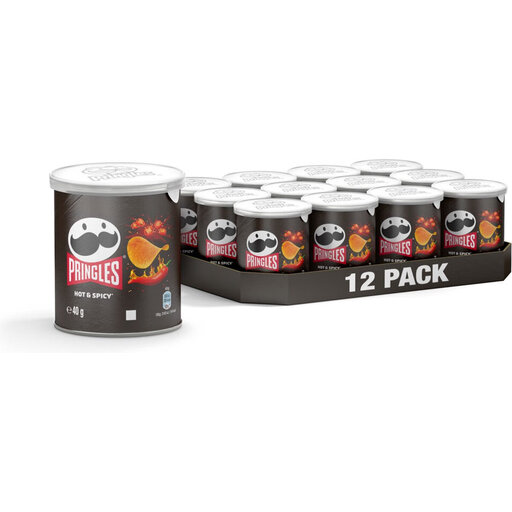
Why this suits the profile: The multipack is practical when several people want to share. The small bags are ideal for parties, lunchboxes or a store cupboard.
The number of packets and the weight per bag are clearly stated. That makes it easier to estimate portions and cost per person.
12 bags of 40 grams, spicy flavour and easy to share; the product information lists none of the 14 main EU allergens.
We’ve put together a full, up-to-date list of products that fully meet these strict selection criteria and comply with current European safety regulations.
Choose a multipack or a packet with several small portions. Pringles Hot & Spicy with 12 bags of 40 grams is practical for a party. For more variety, you can combine crisps with mochi, sweets and dried fruit.
Check the ingredients for chilli, Sichuan pepper, chilli oil and flavour enhancers. Also look at the salt content per 100 grams. With snacks containing soya, sesame or wheat, it’s important to read the allergen information, especially if you’re buying for several people.
Store unopened packets according to the label, usually in a cool, dry place away from direct sunlight. Seal opened bags tightly. Products such as konjac snacks may need to be refrigerated after opening and consumed quickly, according to the product information. Always check the best-before date and the storage instructions on the packet.
