
Vandaag of morgen in huis

Kwaliteit gegarandeerd

Welkomstaanbiedingen ontgrendelen: GRATIS bezorging | Tot 80% korting | Gratis 30 dagen JoyPlus-proefperiode
Download de app
Buying Asian snacks is becoming easier, but comparing them online does require a bit of care. An attractive package, a striking flavour name or a large value pack doesn't always tell you enough about what you're receiving. Especially with biscuits, cakes and traditional treats, allergens, shelf life and portion size can influence your choice.
With these practical checkpoints, you'll quickly discover which Asian snacks suit your coffee break, store cupboard, gift hamper or sharing occasion.
Names like pineapple cake, coconut latte, matcha or milk cake give a clear flavour direction, but the amount of the named ingredient varies from product to product. With the Hsu Fuchi Pineapple Cake, the filling consists of 13% pineapple according to the product specification, alongside winter melon filling. The Yuki & Love Pineapple Cake states a pineapple filling of 36.7%.
If you're looking for a pronounced fruit flavour, it's wise to check the ingredients and any quantitative declarations rather than just the front of the packaging.
Marketing terms are only useful when backed up by verifiable information. Look at:
For instance, WANT WANT Original Flavour Snow Cake contains 150 grams and 12 individually wrapped portions. That's more relevant for sharing or taking on the go than a general description of the texture.
Many Asian biscuits and cakes contain wheat, egg, milk, soya, sesame or nuts. Always check the current packaging, especially if you have an allergy or intolerance. The product information for Hsu Fuchi Pineapple Cake, for example, lists wheat, egg and milk as allergens. Haoxiangni Black Sesame Red Date Paste Biscuits mention walnuts and sesame.
Storage also makes a difference. Dry biscuits generally stay crispier if you seal them well after opening. Products with cake or milk components may have different instructions. The Sakuraseika Hokkaido Milk Cake, for example, recommends refrigerated storage. Always follow the label on the packaging you receive.
A small bag is handy for on the go, but not always good value if you're sharing with several people. For an individual snack, packs of around 50 to 100 grams are practical. For guests or a gift hamper, a larger pack or a box with individual portions might be a better fit.
Also note the difference between net weight and number of pieces. A product weighing 112 grams with three cakes offers a different experience to a bag of 115 grams with loose biscuits.
For a fruity choice, look at the stated percentage of fruit filling. If you're after a soft, cake-like snack, consider dorayaki, baumkuchen or milk cake. A dorayaki traditionally consists of soft cake with a sweet red bean paste filling. The Yuki & Love Dorayaki contains 32% red bean paste filling according to the product information.
For a crunchy snack, rice crackers and filled biscuits are logical options. WANT WANT Snow Cake lists rice as the main ingredient with a minimum content of 60%. That makes the composition clearer than a general flavour description.
Nutritional values aren't a quality judgement, but they do help you compare products. Pay particular attention to energy, fat, saturated fat, sugars and salt per 100 grams. Also check whether the portion details match how you intend to eat the product.
Packaged sweet snacks may also contain additives such as raising agents, emulsifiers or preservatives. The Hsu Fuchi Pineapple Cake, for example, lists preservative E202. That's not a reason to automatically reject the product, but it is information to factor into your purchase decision.
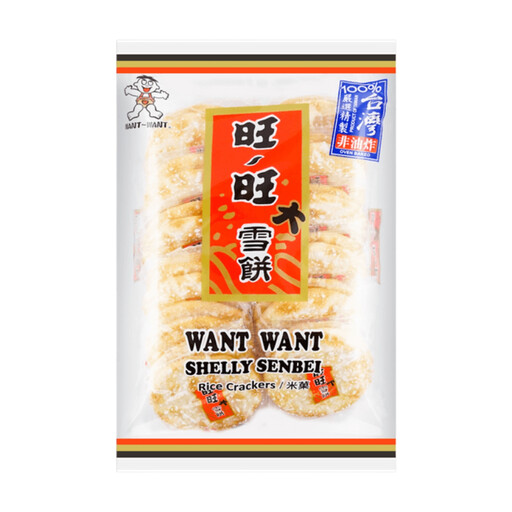
Why this fits the profile: The pack contains 12 individually wrapped portions, so you can try a familiar rice snack first and easily store or share the rest.
The number of portions and net weight are clearly stated. Do check for rice, soya-related ingredients and the allergen information on the packaging.
150 grams, 12 individual portions, ready to eat and suitable for sharing.
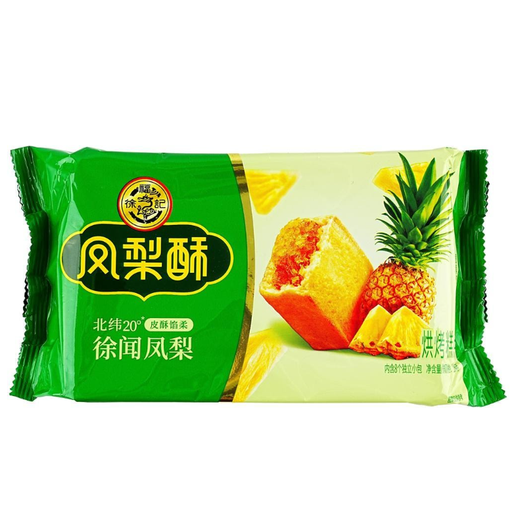
Why this fits the profile: According to the product description, this Chinese snack combines a crispy crust with a pineapple and winter melon filling, and butter in the ingredients.
The product information states the percentage of pineapple, the ingredients and allergens. This allows you to assess the fruit flavour and composition more accurately in advance.
184 grams, 13% pineapple filling, ready to eat and suitable with coffee or tea.
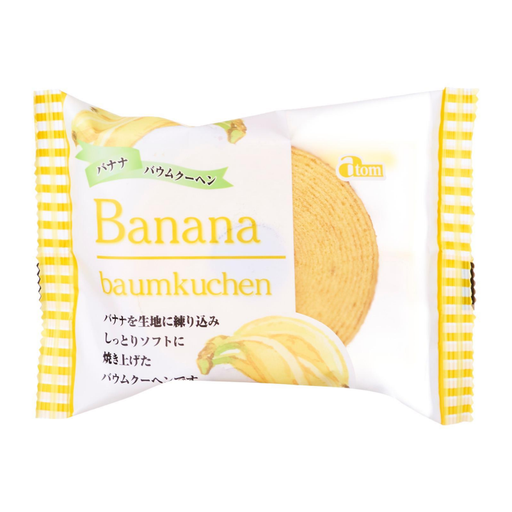
Why this fits the profile: This individually wrapped Japanese cake is designed for a single moment of enjoyment, for example with tea, as a dessert or as a snack.
The portion size of 80 grams and the packaging method are clear. Check for wheat, egg and milk if allergens are a concern.
80 grams, individually wrapped, soft layered structure according to the product description and banana flavour.
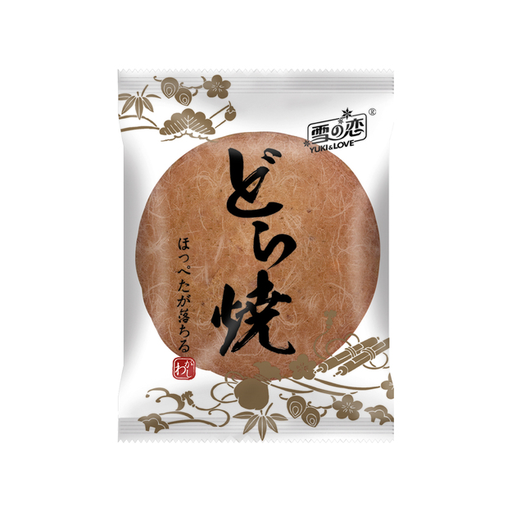
Why this fits the profile: This small Japanese snack has a recognisable combination of soft cake and sweet red bean paste filling, perfect with tea or as part of a small gift selection.
The weight, the percentage of red bean paste filling and the allergens are stated. The packaging contains an oxygen absorber and a desiccant; these are not edible.
55 grams, 32% red bean paste filling, ready to eat and suitable with coffee or tea.
We've put together a full, up-to-date list of products that fully meet these strict selection criteria and comply with current European safety regulations.
First, check the ingredients list, allergens, net weight, best-before date and storage instructions. Then compare the number of portions and the nutritional values per 100 grams. This way, you'll avoid a small pack unexpectedly containing very few pieces, or a flavour that comes mainly from flavouring.
A dorayaki consists of two soft cake halves, usually with a red bean paste filling. Baumkuchen is a layered cake, often with a soft texture and a flavour such as banana, honey or chocolate. A pineapple cake typically has a baked pastry crust with a fruit filling; the proportion of pineapple varies from product to product.
Always follow the instructions on the packaging. Dry biscuits are usually best stored in a cool, dry place and kept well sealed. Cakes may have different requirements; the Sakuraseika Hokkaido Milk Cake recommends refrigerated storage. Use opened products within the stated period and don't eat snacks if the packaging is damaged or the product smells or looks unusual.
