
Vandaag of morgen in huis

Kwaliteit gegarandeerd

Welkomstaanbiedingen ontgrendelen: GRATIS bezorging | Tot 80% korting | Gratis 30 dagen JoyPlus-proefperiode
Download de app
When you buy Asian snacks online, you’ll quickly come across a huge selection of mochi, Chinese snacks, Japanese snacks and Taiwanese treats. That makes choosing fun, but not always straightforward. A pretty gift box, for example, doesn’t tell you much about what’s inside, and a product that looks small can surprisingly contain many portions.
As Joybuy Product Recommendation Officer, I filter the most important product information by practical points. That way, you can see more quickly which Asian snacks suit a coffee break, party, gift hamper or store cupboard.
Gift boxes and festive packaging are handy for a present or for guests, but always check the net weight and number of pieces. A box of individually wrapped mochi, for instance, might contain twelve portions of 30 grams each. That’s easy to share, but it’s not the same as twelve large desserts.
Also pay attention to the shelf life and storage instructions. Some sweet Asian treats need to be sealed airtight after opening. Other products should be kept in the freezer and need to be prepared.
A flavour name doesn’t automatically describe the amount of an ingredient. In the Hsu Fuchi Pineapple Cake, for example, the product information states 13% pineapple filling, supplemented with winter melon. With the Yuki & Love Pineapple Cake Mango Taste, the stated filling consists of 36.7% pineapple jam, with mango flavour.
If you’re looking for a pronounced fruit taste, it’s a good idea to check the ingredients list and the percentage indications. That way, you avoid a marketing name creating higher expectations than the product composition can support.
Not all Asian snacks are ready to eat. Shanghai scallion pancakes, frozen rice balls and mooncakes with meat need to be prepared. So check before you buy:
For British households, the freezer space required is a particularly practical point. A bulk pack isn’t automatically good value if you can’t use the contents within the recommended period.
Asian snacks range from soft mochi and dorayaki to savoury meat floss cake and sesame biscuits. First, decide on the occasion:
Note that “savoury and sweet” often appear together. Youchen Meat Floss Cake, for instance, combines chicken or pork floss with mung bean paste and a lightly sweet pastry layer.
Texture is an important distinction between Chinese snacks, Japanese snacks and snacks from Taiwan:
Always read whether the product is ready to eat. The Changlisheng Shanghai Scallion Pancake is frozen and needs to be cooked in a pan or oven. The China Town Glutinous Rice Balls are also raw-frozen and must be fully cooked before you eat them.
According to European food information requirements, allergens must be clearly stated. So check for terms such as wheat/gluten, egg, milk, soya, sesame, peanuts and nuts. Some products also state that traces may be present.
The nutritional values help with comparison, but they are not a judgement on a product’s suitability. The Bestore Mochi Gift Box contains around 104 to 105 kcal per 30-gram portion depending on the flavour, according to the product information. The ZHENCAI Lava Cookie Dumplings contain 562 kcal per 100 grams. That difference is mainly due to size, fat content and recipe.
Also look out for sweeteners. The Bestore Baobao Mochi Pastry contains maltitol and states that excessive consumption may have a laxative effect. So follow the information on the packaging and take your own dietary preferences into account.
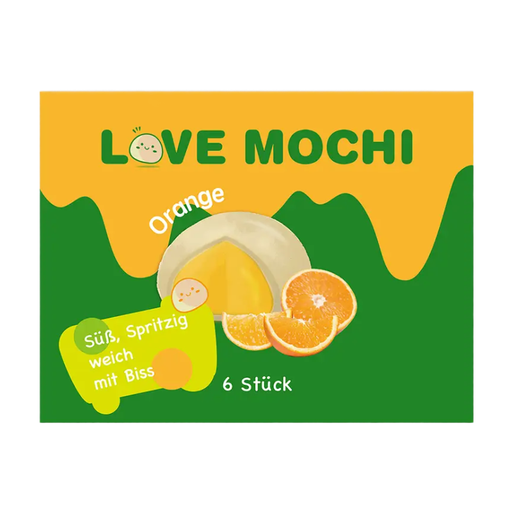
Why this fits the profile: A straightforward pack with individually wrapped mochi, ideal for getting to know soft rice cake and orange flavour without buying a large stock straight away.
The weight of 180 grams and the portion packaging make the quantity clear. According to the product information, the snack is ready to eat.
Soft, chewy texture, orange filling and no allergens listed in the product information provided.

Why this fits the profile: The gift box combines three flavours: matcha, sesame and mango. This makes the product suitable for sharing, a tea-time treat or a gift hamper.
The box states 12 individual portions of 30 grams. The ingredients and allergens differ per flavour, making comparison easier.
Three flavour varieties, individually wrapped and suitable as a dessert, tea snack or gift.
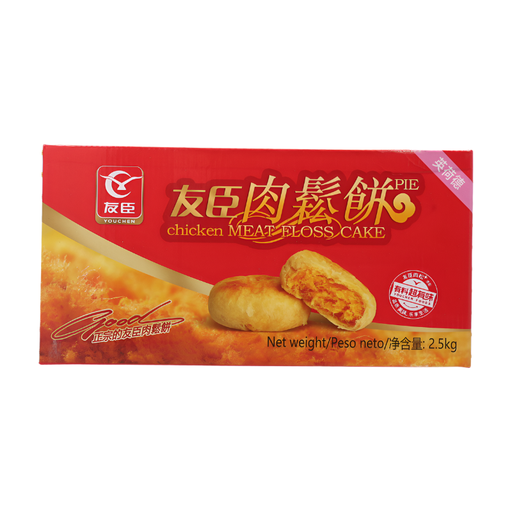
Why this fits the profile: The bulk pack with around 66 to 70 wrapped pieces is aimed at parties, the office, catering-style use or large families.
The number of packs and total weight are clear in advance. After opening, the packaging must be sealed well and, according to the product information, used within two weeks.
Ready-to-eat meat floss cake, individually wrapped and practical for large gatherings.
We’ve put together a full, up-to-date list of products that fully meet these strict selection criteria and comply with current European safety regulations.
Choose a product with a neat gift box, multiple flavours and individually wrapped portions. The Bestore Mochi Gift Box is practical for this. A box of mochi, dorayaki or pineapple cake is also easy to combine with tea or coffee. Do check allergens, shelf life and storage in advance.
Mochi is a soft, elastic rice cake usually made with glutinous rice flour and often has a filling. The texture can vary from firmly chewy to very soft. Rice balls with black sesame are another variant: these are often sold frozen and need to be cooked. So don’t just look at the name, but also at the preparation instructions.
Store non-perishable snacks such as biscuits, sesame crackers and pineapple cake in a cool, dry place away from direct sunlight. Seal opened packs well to keep crunchy textures intact. Frozen mooncakes, rice balls and scallion pancakes should be stored at -18 °C or lower. Always follow the date and instructions on the packaging, as these vary per product.
