
Vandaag of morgen in huis

Kwaliteit gegarandeerd

Welkomstaanbiedingen ontgrendelen: GRATIS bezorging | Tot 80% korting | Gratis 30 dagen JoyPlus-proefperiode
Download de app
Buying Asian snacks might seem straightforward, but an attractive packet doesn’t always tell the full story. If you only pay attention to flavour names like matcha, strawberry or green tea, you could end up with a product that doesn’t suit your preferred storage method, portion size or occasion.
Watch out for these three common pitfalls:
A bulk pack that doesn’t match how you’ll use it
A pack weighing several hundred grams can look like good value, but it’s less practical if you only want to serve a snack now and then. Individually wrapped portions are far more convenient for sharing, taking on the go or giving as a gift.
Wrong expectations about flavour and texture
“Matcha” can refer to a pronounced tea flavour, but it can also mean a sweet filling with a smaller proportion of matcha powder. Always check the ingredients list and the quantitative declaration, such as the percentage of matcha or green tea paste.
Overlooking storage temperature and shelf life
Japanese snacks, Chinese snacks and Vietnamese snacks vary widely in how they should be stored. Some cakes need to be kept in the fridge, while frozen products must stay at -18 °C or below. Storing a product incorrectly can ruin its texture and quality.
First, check whether a snack is ready to eat or needs to be prepared. Mochi and many Asian sweets are usually ready-to-eat, but a frozen product like Shanghai scallion pancake needs to be heated in a pan or oven.
Look out for the following labels:
A frozen product isn’t automatically inconvenient. Individually wrapped portions or several separate pieces can actually help you prepare only what you need. Just check whether refreezing is allowed.
In the UK, allergens must be clearly listed on the label. Pay particular attention to wheat/gluten, egg, milk, soya, peanuts, sesame and nuts. This is especially important with Chinese pastries, mooncakes and snacks from shared production lines.
Examples from the range:
A product description can differ from your personal expectation of a flavour. According to the product information, Yuki & Love Mochi Matcha contains matcha filling and matcha powder, but the exact intensity of the flavour can vary from person to person. So use the ingredients list as your guide, not just the front of the packet.
Think about what you’re buying the snacks for:
Also pay attention to the net weight. A 60 g pack is fine for a small treat, while a 500 g bag or a 2.5 kg box makes more sense for larger households, an event or regular use.
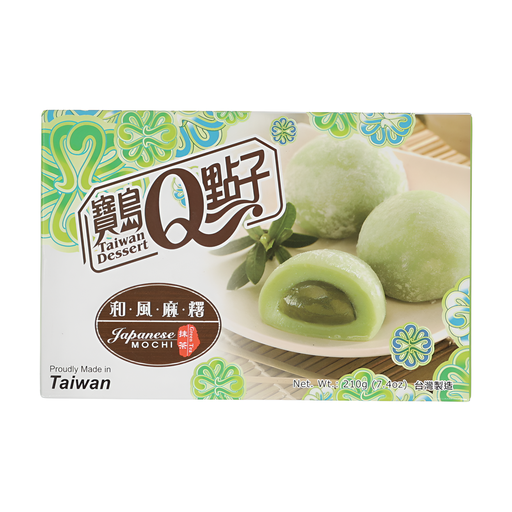
Why this fits the profile: A 210 g pack offers several portions to get acquainted with soft, chewy mochi and a green tea filling.
The product information states that the mochi is individually wrapped and ready to eat. This makes portioning much easier than with one large, soft cake.
210 g net weight, individually wrapped and, according to the product information, suitable for serving at room temperature or slightly chilled.
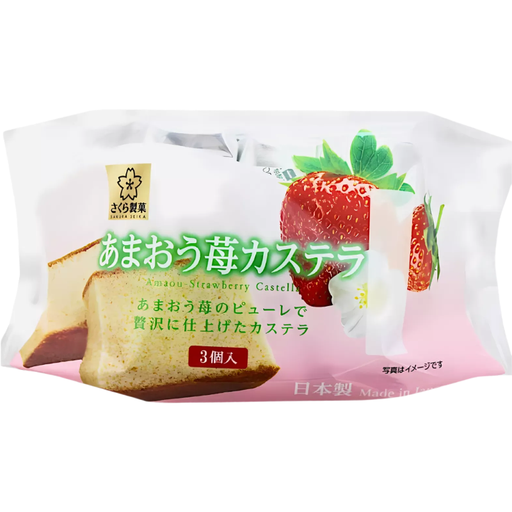
Why this fits the profile: This Japanese sponge cake is aimed at lovers of a soft cake, strawberry flavour and a polished presentation for tea or as a gift.
The box contains three individually wrapped pieces. This means you don’t have to open the whole pack at once.
Three individually wrapped pieces, 105 g total and, according to the product information, a soft, moist texture with Amaou strawberry flavour.
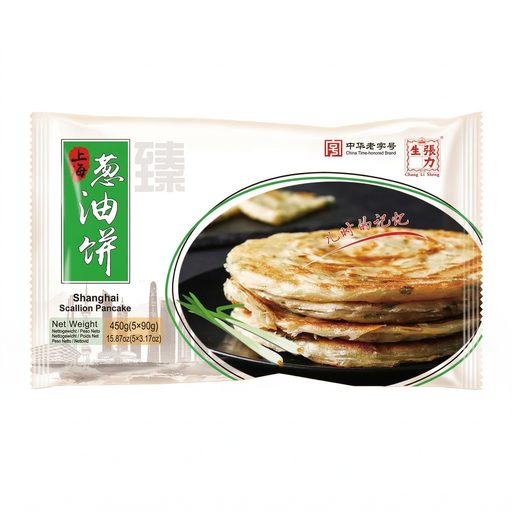
Why this fits the profile: A practical choice for anyone who regularly wants to prepare Asian savoury snacks for breakfast, a light meal or a snack to share.
The preparation instructions are clear: cook from frozen in a pan. This means there’s no need to defrost first.
450 g frozen product, suitable for pan cooking and, according to the product information, individually wrapped.
We’ve put together a full, up-to-date list of products that fully meet these strict selection criteria and comply with current European safety regulations.
Check the storage instructions, allergens, filling and portion size. Mochi often contains glutinous rice flour and may contain soya, sesame or traces of nuts. Also check whether the product needs to be refrigerated after opening and eaten within a few days.
Mung bean cake, matcha snacks, castella, plum cake and soft sesame or walnut cake are practical options. For a sweet-savoury combination, you could choose mooncakes with salted egg yolk or Chinese pastries with spring onion. Adjust the quantity to the number of guests and check whether the snack is ready to serve.
That depends mainly on the product and how you prepare it. A frozen snack needs freezer space and usually energy for a pan or oven, but you can often cook just a few pieces at a time. So check the number of portions, the cooking time and the instructions on the pack before you order.
