
Vandaag of morgen in huis

Kwaliteit gegarandeerd

Welkomstaanbiedingen ontgrendelen: GRATIS bezorging | Tot 80% korting | Gratis 30 dagen JoyPlus-proefperiode
Download de app
Buying Asian snacks can be surprisingly varied. You'll find soft mochi, Japanese treats like daifuku and dorayaki, Chinese snacks with sesame or red bean, fruit gummies, filled wafer rolls and frozen rice cakes. Dog treats sometimes appear in the same online category too, but those obviously need a separate check.
The look of the packaging doesn't always tell you what you're getting. A colourful packet can hide a small net weight, while terms like "authentic", "premium" or "with fruit" don't automatically reveal the actual ingredients. As a Joybuy Product Recommendation Officer, I focus on verifiable details: ingredients, allergens, weight, storage method and preparation instructions.
With Asian sweets and gummies, the bag can look big while the net weight is quite limited. Always check the number of grams and, if stated, the number of pieces. A 60g bag, for example, is fine for trying a flavour, but less practical for a party.
Also look out for individually wrapped products. They're handy for sharing or taking on the go, but the extra packaging can affect the price per portion.
Product names featuring mango, strawberry, grape or lychee don't always indicate a high proportion of fresh fruit. Check the ingredients list and note the difference between fruit juice, fruit purée, fruit paste and flavouring.
For example, Cokoc Triple-Layer Juicy Burst Gummies states 10% concentrated fruit juice. With Seiki Shine Muscat Daifuku, the product description indicates a grape flavour in the filling. These are different product characteristics and shouldn't be treated the same.
Not every rice cake is ready to eat straight away. Some Chinese snacks come from the freezer and need to be boiled, steamed or heated in the microwave first. This applies, for instance, to TCT rice cakes and the black sesame rice balls from China Town.
A snack you want to eat straight from the packet requires a different choice from a dessert that needs time and freezer space.
Pay particular attention to the bold allergens on the label. In the selection mentioned, these include gluten, wheat, milk, egg, soya, sesame, gelatine and nuts. A product may also contain traces of peanuts or nuts.
For example:
The information on the packaging is definitive. Recipes and packaging may change.
The term mochi usually refers to a soft, elastic outer layer made from glutinous rice flour. The inside can consist of fruit paste, milk cream, red bean, taro or sesame. A daifuku is typically a Japanese mochi with a filling. Dorayaki consists of soft pancake-like layers with, for example, red bean paste.
If you're after a chewy texture, look for glutinous rice flour or glutinous rice powder in the ingredients list. If you prefer a lighter snack, go for dorayaki or filled wafer rolls instead.
Before you check out, consider:
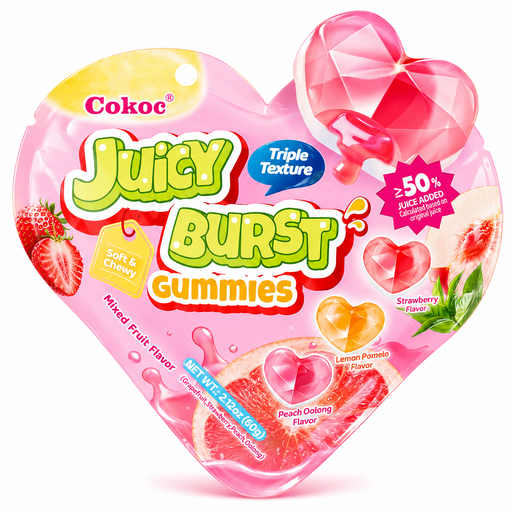
Why this fits the profile: A compact pack to try multi-layer fruit gummies without committing to a large quantity straight away.
The 60g weight is clearly stated. The ingredients mention 10% concentrated fruit juice, so the fruit content is verifiable.
60 g net weight; three layers; 341 kcal and 47 g sugar per 100 g according to the nutritional information provided.
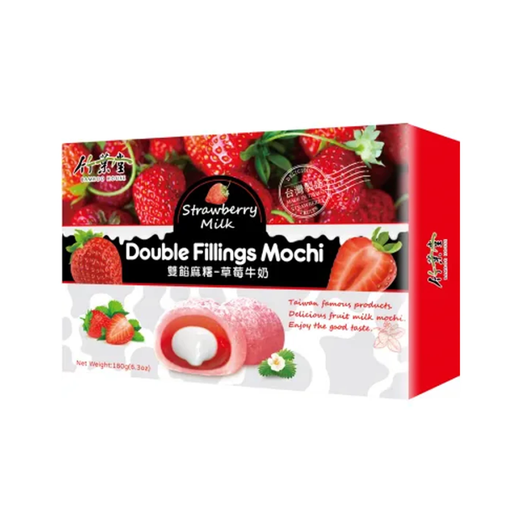
Why this fits the profile: For those who want a soft Taiwanese mochi with a fruity and creamy filling, perfect with tea or as a dessert.
The product information mentions a double filling, individually wrapped pieces and a net weight of 180 grams. The allergens present are egg and milk.
180 g; individually wrapped; double strawberry-milk filling; made in Taiwan according to the product listing.
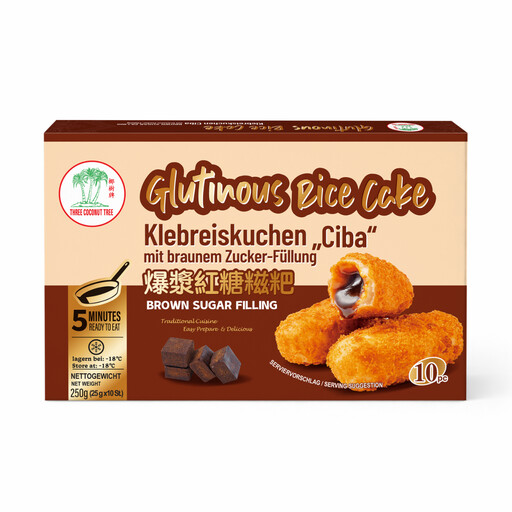
Why this fits the profile: For fans of Chinese desserts who are happy to steam or briefly microwave a frozen product.
The preparation method is specific: 5 to 6 minutes steaming or about 1 minute in the microwave. The product must be stored at -18 °C or lower and should not be refrozen after defrosting.
250 g; brown sugar filling; clear preparation instructions; contains wheat and soya according to the product information.
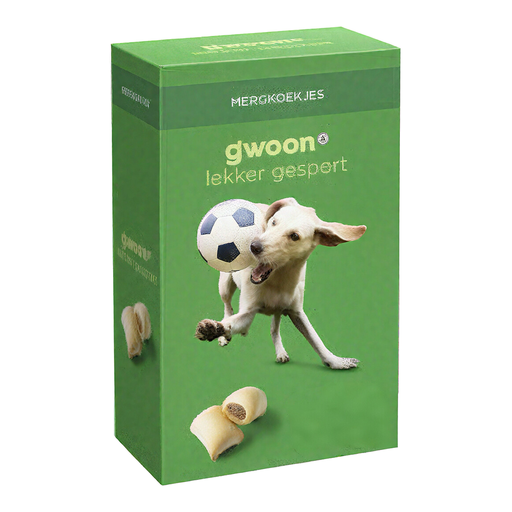
Why this fits the profile: A separate choice for owners looking for dog treats for rewards or training, not for human consumption.
The packaging clearly states these are complementary biscuits for dogs. Check for gluten allergens, ensure no more than 10% of daily calorie intake, and supervise feeding.
500 g; crunchy outer layer; soft marrow filling; suitable according to the product information for dogs of all breeds and sizes.
We've put together a full, up-to-date list of products that fully meet these strict selection criteria and comply with current European safety regulations.
Start with a product that's ready to eat and has a small or manageable weight. Fruit gummies, filled wafer rolls, dorayaki and individually wrapped mochi are practical choices. Just check the allergens and sugar content first.
That depends on the product. Shelf-stable mochi is usually kept cool and dry, away from direct sunlight. Frozen rice cakes and rice balls must be stored at the temperature stated on the packaging, often -18 °C or lower. Always check the label.
The unopened shelf life is stated on the packaging. After opening, texture and freshness can change more quickly. Seal the packet properly and store the product according to the instructions. With soft mochi, eating it promptly is often best; frozen products should not be refrozen after defrosting.
