
Vandaag of morgen in huis

Kwaliteit gegarandeerd

Welkomstaanbiedingen ontgrendelen: GRATIS bezorging | Tot 80% korting | Gratis 30 dagen JoyPlus-proefperiode
Download de app
Buying Asian snacks can throw up a surprising amount of choice. In one range, you’ll find Japanese cake, Chinese pineapple cake, mochi, dorayaki, baumkuchen, Turkish cakes and rice crackers all sitting side by side. That’s convenient, but it also makes comparing them trickier. An attractive packet tells you very little about portion size, allergens or how to store a snack.
As a Joybuy Product Recommendation Officer, I always start by looking at the verifiable information on the product page: ingredients, weight, allergens, nutritional values, packaging and storage advice. That way, you can quickly see which sweet Asian snacks suit your occasion: with tea, as a dessert, for on the go or to share.
A 200g or 300g bag might look generous, but the number of individual portions varies from product to product. Individually wrapped mini cakes, for example, are easy to take with you and to share out. With a larger bag of rice crackers, you need to pay extra attention to resealing and moisture after opening.
So check:
Words on a packet can mean different things. A light texture says nothing about the sugar or fat content. “Authentic” isn’t a defined nutritional standard either. With halal snacks, it’s wise to check whether the product page or packaging actually mentions a halal claim or certification.
In the product information provided, for example, the Sakura Seika Castella White Peach Fl 130g is noted as being halal-friendly. The Taiyo Baumkuchen has “halal certified” explicitly in the product name. Always check the current packaging and ingredients list, especially if you need to eat strictly halal.
A soft Japanese cake can lose its texture if the packet is left open. Some products need to be kept in the fridge, while others should be stored in a cool, dry place. Mochi, for instance, may need to be refrigerated after opening and eaten within a few days.
So follow the storage advice on the packaging. Also check the use-by or “best before” date before you stock up.
Wheat, egg, milk and soya are common in Asian cakes, dorayaki and baumkuchen. Pineapple cake usually has a pastry layer containing wheat and may also contain egg and milk. With rice crackers, soya, sesame or nuts may be listed as an ingredient or possible traces.
If you have an allergy, don’t just read the product name – read the full allergen information. Examples from the range:
If you want something soft to go with your coffee, choose a cake, dorayaki or mochi. If you’re after a crunchy snack for tea, rice crackers are a better fit. Baumkuchen is made up of layers and works well as a small portion with a hot drink. A pineapple cake combines a crumbly outer layer with a sweet filling.
When buying online, look out for descriptions such as “ready to eat”, individually wrapped or “refrigerate after opening”. These are practical pointers, not quality guarantees.
Compare nutritional values on the same basis: usually per 100g. That way, you avoid a small packet automatically seeming “lighter”. The Sakura Seika Castella White Peach Fl, for example, lists 162 kcal per 100g. The Hsu Fuchi Pineapple Cake lists 426 kcal per 100g. That difference doesn’t tell you which snack is right for everyone, but it does help you make an informed choice.
Pay particular attention to:
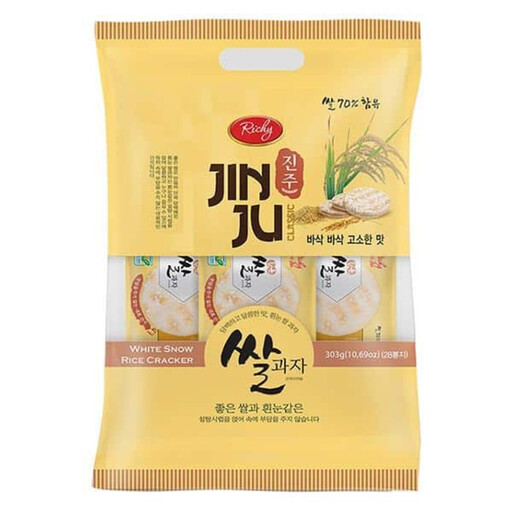
Why this fits the profile: The 303g packet is suitable for sharing or planning several tea-time moments. The crackers are ready to eat.
The weight and nutritional values are clearly stated, so you can compare price and quantity rather than just looking at the packaging.
303g content; crunchy rice snack; suitable with tea or coffee; store in a cool, dry place.
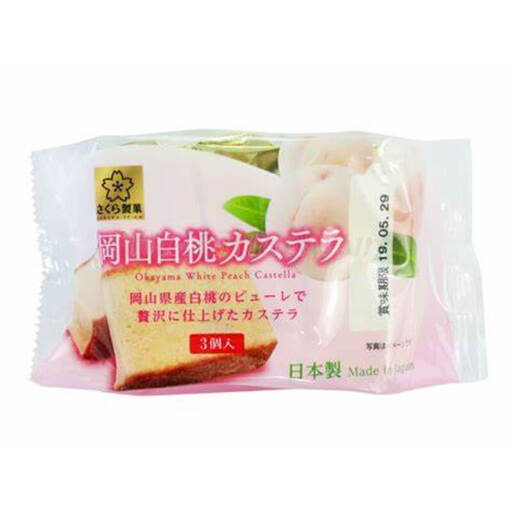
Why this fits the profile: This soft Japanese cake has a white peach flavour and a 130g packet for a neat dessert moment.
The product information lists ingredients, allergens and nutritional values. Storage advice before and after opening is also provided.
130g packet; soft castella texture according to the product description; white peach flavour; product page states halal-friendly.
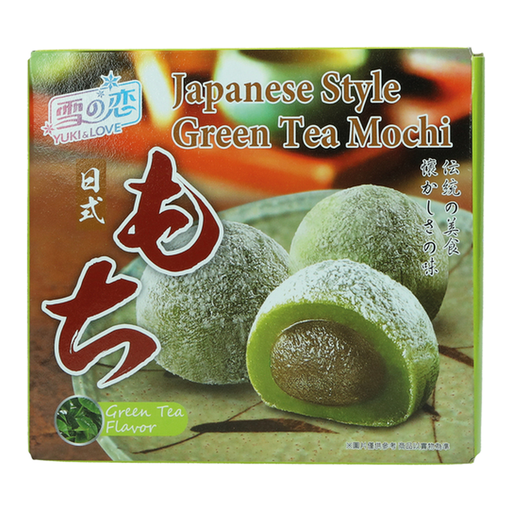
Why this fits the profile: An option for fans of a soft, chewy snack with green tea flavour and a clearly stated storage procedure after opening.
The product states that you should refrigerate it after opening and consume within 3 to 5 days. This makes it less suitable for leaving open for long periods.
140g content; green tea paste; soya listed as an allergen; ready to eat and suitable as an Asian dessert.
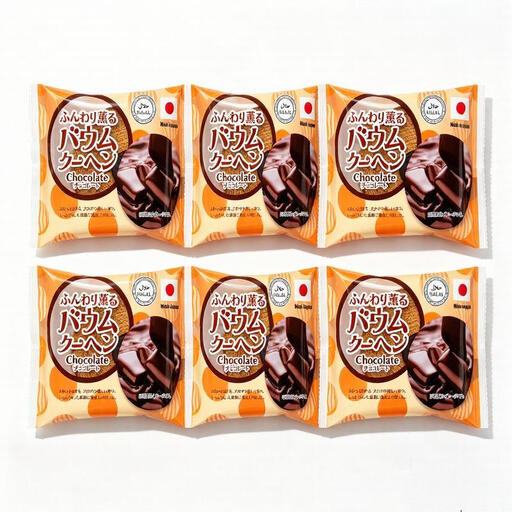
Why this fits the profile: The set of six is practical for sharing out or storing individually. The product name mentions halal certification.
The number of pieces is stated in the product name and the ingredients and allergen information is available. Do check the current packaging before purchasing.
Six portions; chocolate flavour; layered baumkuchen; ingredients include egg, wheat, milk and soya.
We’ve put together a full, up-to-date list of products that fully meet these strict selection criteria and comply with current European safety regulations.
A Chinese pineapple cake such as Hsu Fuchi contains, according to the product description, 13% pineapple filling and winter melon filling. The Yuki & Love Pineapple Cake states 36.7% pineapple filling. These are product specifications; they don’t automatically determine which flavour you’ll prefer. So check the ingredients if you’re particularly looking for fruit filling.
You can filter online by snack type, country of origin, flavour, weight and dietary preference. Then check the ingredients, allergens, shelf life and storage. That way, you’re comparing not just price, but also content and ease of use.
That varies by product. Check the date on the packaging and follow the storage advice. According to the product information, Yuki & Love Mochi Green Tea must be refrigerated after opening and eaten within 3 to 5 days. Cakes and rice crackers often need to be kept well sealed and dry.
For coffee, chocolate cake, baumkuchen and milk cake work well as a sweet snack. With tea, you can choose rice crackers, dorayaki, castella or pineapple cake. Pay attention to the texture: crunchy crackers and soft cakes offer a clearly different eating experience.
