
Vandaag of morgen in huis

Kwaliteit gegarandeerd

Welkomstaanbiedingen ontgrendelen: GRATIS bezorging | Tot 80% korting | Gratis 30 dagen JoyPlus-proefperiode
Download de app
Asian snacks are now easy to find online, but the range varies greatly in flavour, texture, portion size and preparation. If you simply go by an attractive packet, you could end up with a product that is too sweet, contains allergens, or isn't suitable for eating on the go.
This applies to Japanese snacks, Chinese snacks and Taiwanese snacks alike. So don't just look at the name or origin – pay close attention to the ingredients list, nutritional values and usage instructions.
Terms like "fruity", "mango" or "matcha" don't automatically mean the product contains a lot of fruit or tea. Always check the ingredients. In some products, the flavour comes mainly from flavourings, while the fruit content is limited. For example, the Taiwanese white peach jelly from SHENG XIANG ZHEN contains 8% white peach according to the product information. That's more concrete than just a picture of fruit on the packaging.
Always compare the nutritional values per 100 grams and per portion. A jelly may be low in calories, but a mochi or sesame ball can provide significantly more energy due to maltose, sugar or filling. You should also check claims like "vegan", "gluten-free" and "keto" on the label, rather than relying on marketing text alone.
The Hethstia konjac jelly states 7 kcal per portion and a sugar-free composition in the product description. When buying, do check the actual packaging and take note of the recommended portion size.
Mochi, fruit jelly and konjac jelly have a soft, elastic or sticky texture. That's an important part of the eating experience, but it doesn't automatically make them suitable for young children. Give sticky snacks in small amounts, let children eat slowly, and always follow the warnings on the packaging.
Also pay attention to the difference between ready-to-eat products and frozen products. Glutinous rice balls and sesame balls may need to be boiled, fried or heated up.
Look at the full ingredients list, especially if you have allergies or dietary preferences. Many Asian desserts contain soya, milk, sesame, egg, wheat or peanuts. Mochi with red bean paste, for example, may contain soya, while sesame balls obviously contain sesame.
Also watch out for cross-contamination. A mention like "may contain traces of" is relevant if you have a serious allergy. Don't rely solely on terms like "traditional", "natural" or "premium".
Comparing per 100 grams makes it easier to compare products with different packet sizes. Here are a few examples from the range:
These figures don't tell you whether a snack is right for you or not. But they do help you make an informed choice based on portion size and when you'll eat it.
Before ordering, check whether you have enough space for storage. China Town Glutinous Rice Ball Coconut is a frozen product that must be kept at -18 °C or lower and needs to be fully cooked. Sesame balls from Chinatown also need to be heated; the packaging mentions preparation in a pan, oven or air fryer, among other methods.
Mochi and fruit jelly are usually ready to eat, but often need to be stored in a cool, dry place. Once opened, an airtight container may be needed to prevent them from drying out. Always check the date and instructions on the packaging.
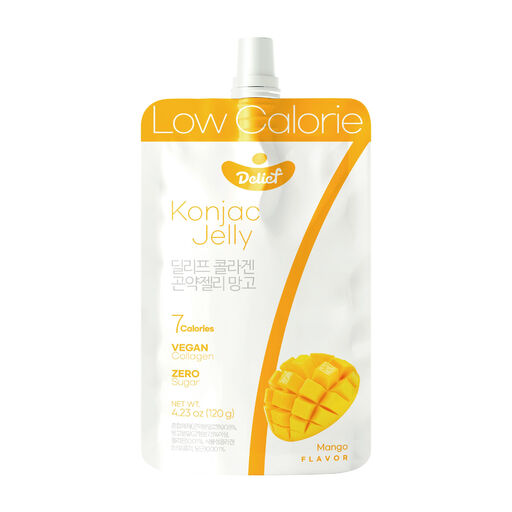
Why this fits the profile: An easy entry point for anyone wanting to try a soft mango jelly without committing to a large pack. The product is ready to eat and contains 4 kcal per 100 grams according to the product information.
The product information clearly lists the ingredients and nutritional values. No preparation is needed, so you won't accidentally misuse a frozen product.
Vegan according to the product name, mango flavour, 120 grams and ready to eat.
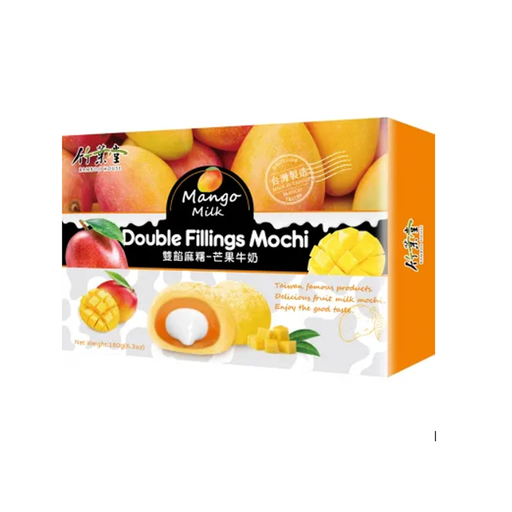
Why this fits the profile: Ideal for fans of Taiwanese desserts who want more than a single filling. The mochi combines mango paste with a milky filling and is individually wrapped.
The product description specifies the double filling, the net weight of 180 grams and the preparation method: eat straight away and serve at room temperature.
Two fillings, individual wrapping, 180 grams and origin Taiwan according to the product information.
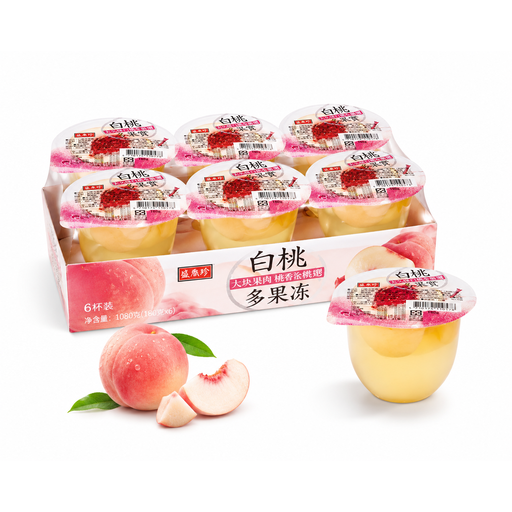
Why this fits the profile: Handy for families, office supplies or anyone who wants to serve fruit jelly more often. The six individual cups are pre-portioned and can be eaten chilled.
The pack size, portion size and stated white peach content are clearly indicated. This makes comparing easier than with a loose bag of unclear contents.
Six cups of 180 grams, pieces of white peach, 75 kcal per 100 grams and best served chilled.
We've put together a full, up-to-date list of products that fully meet these strict selection criteria and comply with current European safety regulations.
Individually wrapped mochi, gummy sweets, fruit jelly and small sesame balls are practical for eating on the go. Check whether the product needs to be chilled, might leak or needs to be heated first. Konjac jelly in a pouch is ready to use straight away, but always follow the instructions and don't let young children eat sticky jelly unsupervised.
The shelf life varies by product. Unopened mochi and jelly should usually be stored according to the instructions on the packaging, often in a cool, dry place. Once opened, the texture can change quickly. Some mochi need to be eaten within a few days, and some jelly products need to be chilled after opening. So always check the best-before date and the storage information after opening.
Mochi usually consists of a soft layer of glutinous rice dough with a filling, such as red bean, matcha, mango or coconut. Konjac jelly has a smooth, elastic texture and is often sold ready to eat in a cup or pouch. Glutinous rice balls are often frozen and need to be cooked before eating. The ingredients, allergens and preparation method ultimately determine which option suits your household best.
