
Vandaag of morgen in huis

Kwaliteit gegarandeerd

Welkomstaanbiedingen ontgrendelen: GRATIS bezorging | Tot 80% korting | Gratis 30 dagen JoyPlus-proefperiode
Download de app
Buying Asian snacks might seem straightforward, but product packaging and marketing copy can hide important differences. Whether you're looking for red dates, black sesame snacks, sesame balls or treats to take on the go, the ingredients list, allergens and storage conditions are what really matter.
Three common pitfalls to watch out for:
Confusing “sugar-free” with low-calorie
A product without sugar may still contain sweeteners such as maltitol, sorbitol or xylitol. These can still provide energy and, if eaten in excess, may have a laxative effect. Always check the full nutritional information table.
Mistaking a fancy product name for a complete ingredients list
“Black sesame”, “dark chocolate” or “red date” doesn't tell you how much of that ingredient is actually in there. Look at the order of ingredients and any percentages that are listed.
Ignoring allergens and storage
Sesame, peanuts, nuts, soya, milk and gluten are common in Chinese sweets and international snacks. What's more, some products are ready to eat, while others are frozen and need to be fully cooked.
Ingredients are listed in descending order by quantity. If sugar, syrup or palm oil appears near the top, that tells a different story from a snack where dates or black sesame are the main ingredient.
Per 100g, keep an eye on:
A notable example is a snack made with black sesame and red dates. The Haoxiangni Black Sesame Crispy Jujube (108g) lists red dates, sesame, white sugar and palm oil as ingredients. The nutritional information on the product page also shows 538 kcal per 100g. Always check the label on the packaging when you receive it, as product information can change.
With black sesame snacks, sesame is a key allergen. Some products may also contain traces of soya, wheat, peanuts, nuts or milk due to shared production lines.
Examples from the range:
If you have an allergy, always read the full packaging and the most up-to-date product information. A general product name is no substitute for the allergen declaration.
For snacks on the go, individual wrappers are practical. The Haoxiangni Sugar-Free Black Sesame Balls (135g) are described as containing 17 to 18 individual portions, making them easy to portion out and take with you.
Also pay attention to how a product should be stored:
For example, China Town Glutinous Rice Balls with black sesame filling is a frozen raw product. It needs to be fully cooked and must not be refrozen once thawed. So this is not a snack to take along unrefrigerated.
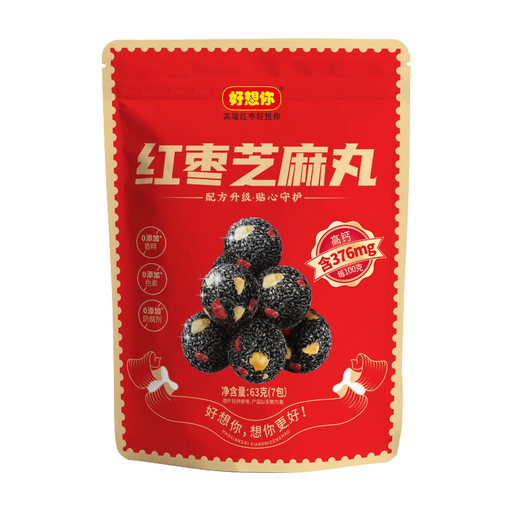
Why this suits the profile: The pack contains 7 to 8 individual portions according to the product information. The soft, slightly chewy texture makes it a good introduction to Chinese snacks.
The ingredients and allergens are clearly stated. However, do note the 30g of sugars per 100g and possible traces of soya, wheat, peanuts, nuts and milk.
63g, individually wrapped and ready to eat. The combination of red date, black sesame, maltose syrup and honey gives it a familiar sweet profile.
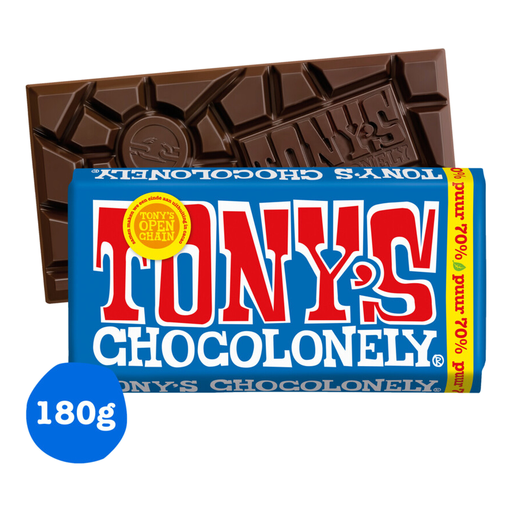
Why this suits the profile: For anyone looking for dark chocolate with a specified cocoa percentage and a size that's ideal for sharing, enjoying with coffee or using in a recipe.
The cocoa content of at least 70% is stated in the product information. Also check for the presence of soya and possible traces of milk, nuts, egg and gluten.
180g, suitable for several eating occasions. Per 100g, the product information shows 564 kcal and 27g of sugar.
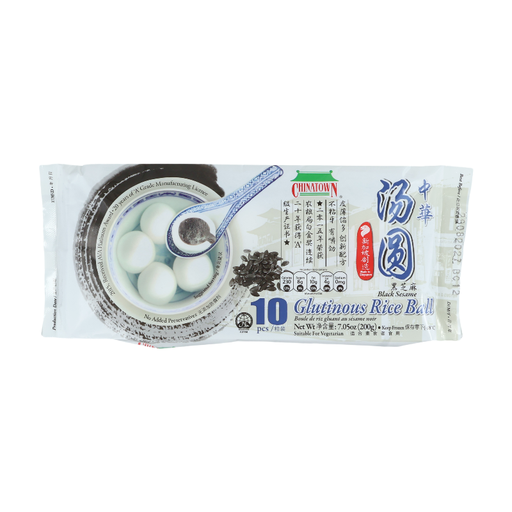
Why this suits the profile: A practical choice for anyone who wants to prepare Chinese sweets at home, perhaps for a special occasion or as a warm dessert.
The product information clearly states that this is a frozen raw product. Full cooking and storage at -18°C prevents incorrect use.
200g with black sesame filling. According to the product information, it can be prepared by boiling, steaming or frying.
We've put together a full, up-to-date list of products that fully meet these strict selection criteria and comply with current European safety regulations.
Choose individually wrapped snacks that can be stored outside the fridge. Black sesame balls, red dates, dried fruit, biscuits and wafers are often more practical for this than frozen products. Do check the portion size, allergens and storage instructions.
No. “Sugar-free” means the product contains no or virtually no sugar according to the product listing, but it may still be high in fats, carbohydrates or polyols. For example, Mentos Pure Fresh Black Mint lists 0g of sugar and 68g of polyols per 100g. The packaging also warns that excessive consumption may have a laxative effect.
The shelf life varies by product. Dried fruit, sweets and biscuits usually have a date on the packaging and should be stored in a dry, sealed container. Chocolate needs protection from heat and sunlight. Frozen products must be kept continuously at the stated temperature. After ordering online, always check the date, packaging and any damage before using the product.
