
Vandaag of morgen in huis

Kwaliteit gegarandeerd

Welkomstaanbiedingen ontgrendelen: GRATIS bezorging | Tot 80% korting | Gratis 30 dagen JoyPlus-proefperiode
Download de app
Buying Asian snacks seems straightforward, until you have to choose between mochi, dorayaki, Japanese biscuits, gyoza, wontons and frozen Asian snacks. Packaging often highlights eye-catching flavours, origin or convenience, while important information is printed smaller on the label.
As a Joybuy Product Recommendation Officer, I therefore focus on verifiable details: weight, ingredients, allergens, storage temperature and cooking instructions. That way, you can pick a snack that suits your household, your store cupboard and the occasion.
A product with a Japanese name isn’t necessarily made in Japan. Yuki & Love Dorayaki, for example, is described as a Japanese treat, but the product information lists Taiwan as the country of origin. With Chinese snacks too, the country of production or packaging may differ from the culinary origin.
So always check:
This stops you from basing your expectations of taste or texture solely on the packaging.
Daoxiangcun Sachima is described as a version with sweeteners. The nutritional information shows 1.8 grams of sugars per 100 grams, but also 492 kcal per 100 grams. The product also contains polyols and sweeteners. So don’t just read the front; compare carbohydrates, fats, portion size and warnings on the label.
Claims such as “reduced sugar” can only be properly assessed when it’s clear what the product is being compared with. For Franzzi Coconut Latte Filled Cookies, the product description states that the manufacturer claims 26% less sugar than the regular range. That’s a brand claim; check the current packaging and nutrition table before you buy.
Frozen Asian snacks are convenient, but they’re not always suitable for a spontaneous store cupboard. Siu mai, custard buns, glutinous rice balls and wontons generally need to be stored at -18 °C or lower. Some products can be cooked straight from the freezer, while others need to be boiled or steamed first.
Pay attention to the cold chain upon delivery. According to the product instructions, a thawed product must not be refrozen. So when ordering frozen items, make sure you have enough space in your freezer and follow the instructions on the packaging.
Within the European Union, major allergens must be clearly listed. Popular snacks often contain wheat, gluten, milk, soya, egg, peanut, sesame and shellfish, among others.
Examples:
Always check the current packaging, especially if you have food allergies or intolerances. “May contain traces” refers to possible cross-contamination during production and is not the same as a main ingredient.
A snack for on the go requires different qualities than a product for a family meal. Pay attention to the net weight, number of pieces and cooking time.
Also check whether a product is ready to eat. Raw frozen dumplings and rice balls must not be eaten uncooked.
Dry Japanese snacks, Chinese desserts and biscuits should usually be stored in a cool, dry place, away from direct sunlight and moisture. After opening, the packaging should be sealed tightly to maintain crispness and freshness.
With mochi and soft cake snacks, the shelf life after opening is often shorter. For Q-Brand Cacao Mochi Strawberry Flavour, for example, it states that the product must be refrigerated after opening and consumed within the stated period. Also check whether the packaging contains an oxygen absorber or desiccant. These are not edible and must be removed immediately.
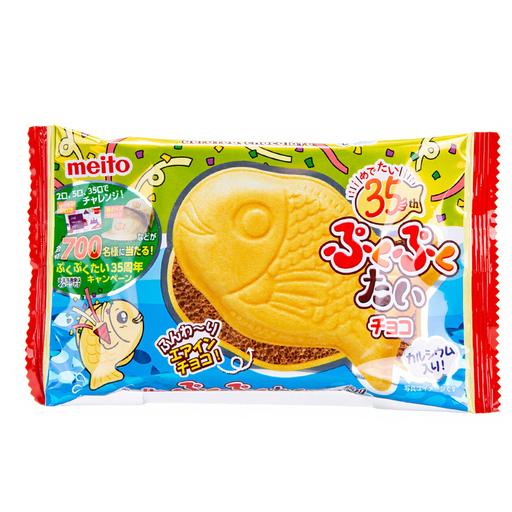
Why this suits the profile: A small Japanese snack portion to try a chocolate wafer without opening a large pack straight away.
The portion size is clearly stated. The ingredients and allergens, including wheat and milk, can be checked in advance.
16.5 grams per pack; store in a dry place; ideal as a small snack for on the go or with coffee.
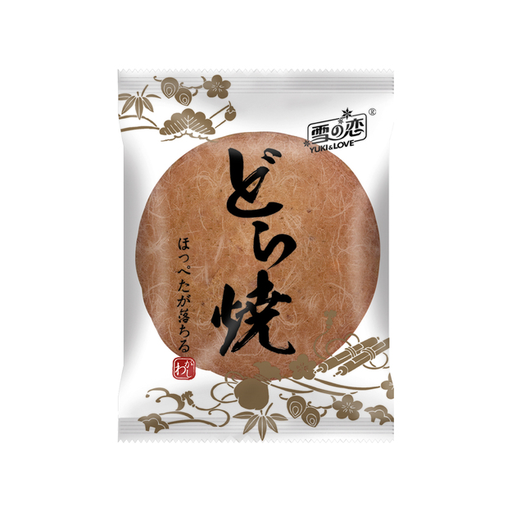
Why this suits the profile: A soft Japanese sweet with red bean filling, perfect for a quiet tea break or dessert.
The product information mentions both the Japanese style and Taiwan as the country of origin. This allows you to weigh up the origin correctly.
55 grams per piece; red bean paste makes up 32% of the product; ready to eat.
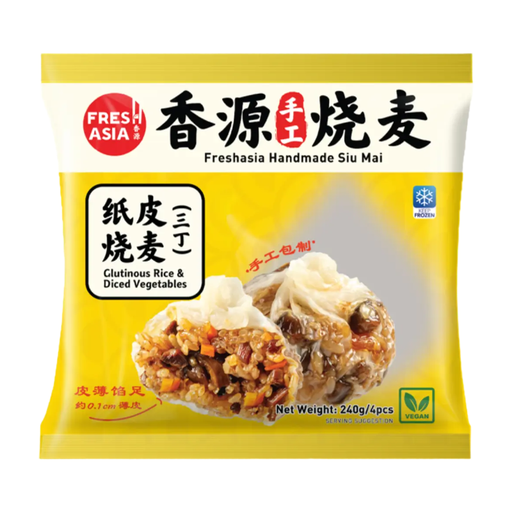
Why this suits the profile: Handy for anyone who regularly wants to prepare dim sum, a bento or a quick Chinese snack.
The cooking instructions are specific: steam straight from the freezer for 8 to 10 minutes after the water has boiled. No unclear defrosting step.
240 grams; four individual pieces; glutinous rice, bamboo shoot, shiitake and vegetables; store at -18 °C or lower.
We’ve put together a full, up-to-date list of products that fully meet these strict selection criteria and comply with current European safety regulations.
Start with ready-to-eat products such as dorayaki, mochi, Japanese biscuits or chocolate wafers. That way, you don’t need to plan for cooking time or special equipment. If you’d rather try a savoury snack, you can choose gyoza or siu mai with clear steaming or boiling instructions.
It varies by product. According to the product information, wontons can be boiled in water for 6 to 7 minutes, for example. Custard buns are usually steamed for 10 to 12 minutes, and siu mai for 8 to 10 minutes. Always read the packaging, and don’t eat a product raw if it’s labelled as needing to be cooked.
Don’t just compare the price of the pack; also compare the weight, number of portions and cooking method. A family pack of Chinese desserts can be good value for sharing, while individually wrapped Japanese snacks are more convenient for controlled portions. With frozen products, it also matters whether you can store and cook several items at the same time.
