
Vandaag of morgen in huis

Kwaliteit gegarandeerd

Welkomstaanbiedingen ontgrendelen: GRATIS bezorging | Tot 80% korting | Gratis 30 dagen JoyPlus-proefperiode
Download de app
Buying Asian sauces and pastes might seem straightforward – until you’re standing in front of a shelf full of gochujang, curry paste and miso. Products vary significantly in their ingredients, heat levels, packaging and allergens. An attractive packet or the word “authentic” doesn’t automatically tell you whether a product will suit your cooking.
As Joybuy’s Product Recommendation Officer, I filter the most important information based on verifiable product data. This way, you can avoid buying the wrong thing and choose a sauce, paste or kitchen tool that fits how you cook.
Marketing terms don’t always tell you how much chilli, miso or fermented ingredients a product contains. So always check the ingredients list and the origin. For example, Sempio Korean Red Pepper Paste states it contains 11% chilli powder. Koh Thai red curry paste is made up of Spanish pepper, garlic, shallot, lemongrass and galangal, among other ingredients.
The term authentic Asian ingredients is only useful when the recipe, country of production and intended use are clearly described.
A red colour doesn’t automatically mean a paste is extremely hot. Gochujang often combines heat with sweetness and umami. Thai red curry paste typically contains aromatic herbs alongside chilli. Start with a small amount and add more later. That works far better than trying to fix a dish after you’ve added too much paste.
Many Korean products contain soya and wheat. This applies to DELIEF Red Pepper Paste Gochujang 170g, Sempio Korean Red Pepper Paste and Bibigo Vegan Gochujang Red Pepper Paste. “Vegan” doesn’t automatically mean gluten-free or soya-free. Bibigo is marketed as vegan, but the product information lists wheat and soya.
Always check the current packaging. According to the product information, packaging and ingredient details can change. Also pay attention to salt and sugar content: DELIEF states 6.8g of salt and 22g of sugar per 100g, while Bibigo states 4.5g of salt and 22g of sugar.
Don’t just look at the name on the front – check:
For Japanese miso paste, the type is important. Hikari Miso Red Miso Paste is a red miso made from soya beans and rice. The product information states 4,900mg of sodium per 100g, so use it as a seasoning and adjust the amount to your dish.
A small 170g jar is practical if you want to try a sauce for the first time. A 500g to 570g pack is better suited to regular cooking or a professional kitchen. After opening, follow the storage instructions: different products need to be sealed tightly and kept refrigerated.
Also pay attention to the recommended amount. Koh Thai suggests an average of two tablespoons of curry paste for two people. The actual amount depends on how hot you want it, how much coconut milk you use and the other ingredients.
If you’re looking for Italian pasta alongside Asian sauces, you need to consider shape and texture. Rigatoni has ridges and a hollow shape, so a chunky sauce clings well. Spaghetti works with thinner sauces and is also available as wholewheat spaghetti.
A pasta maker is particularly interesting if you want to make your own noodles or fresh pasta. For a manual model, check the material, dimensions and how you need to press or roll the dough. A stainless steel version is easy to wipe clean, but still needs careful drying to remove moisture and dough residue.
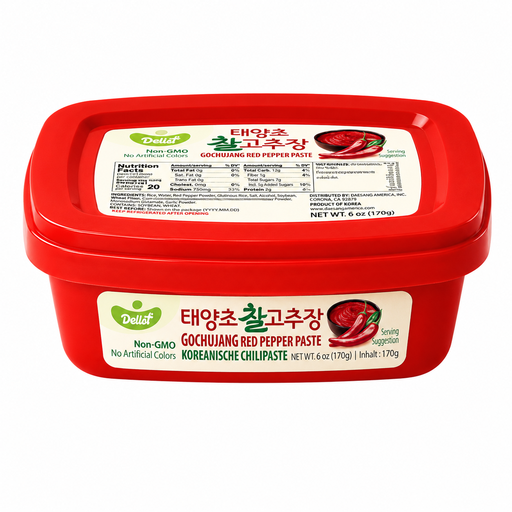
Why it suits this profile: The compact packaging is handy if you’re trying Korean chilli paste for the first time or only occasionally making bibimbap, noodles or a marinade.
The ingredients and allergens are listed: the product contains soya and wheat. This means you can check the composition beforehand.
170g, 203 kcal per 100g and clear nutritional information with 6.8g of salt per 100g.
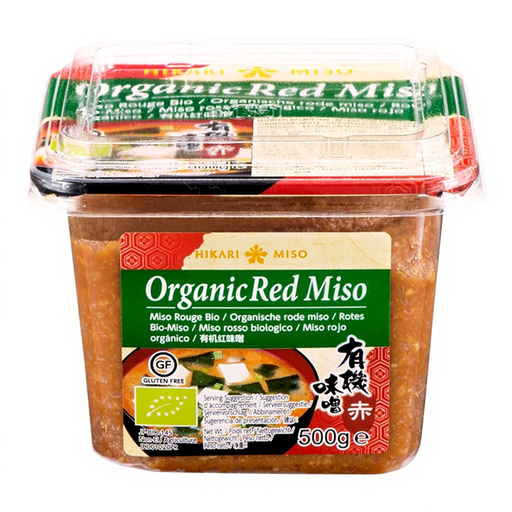
Why it suits this profile: Ideal for home cooks who want a reliable base for soups, marinades, sauces and stir-fries.
The product information clearly states it is red miso, made from soya beans and rice, and suitable for multiple preparations.
500g for regular use; according to the product information, it contains no artificial colours, flavours or preservatives.
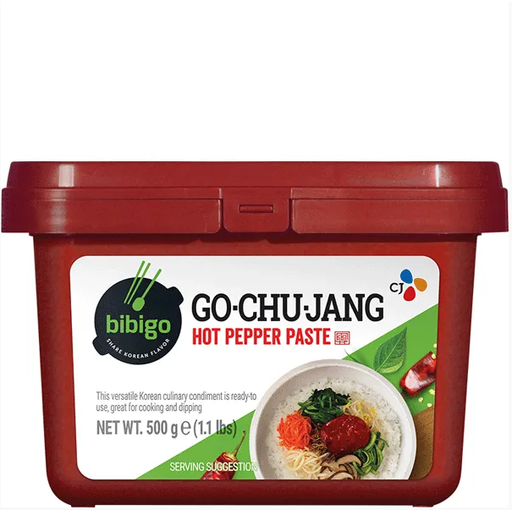
Why it suits this profile: A 570g pack is ideal for vegans, foodies and kitchens where Korean flavours are used regularly.
The product description states no animal-derived ingredients, but also lists wheat and soya. This means you need to check the allergens.
570g, vegan according to the product information and suitable for marinades, stews, stir-fries, dressings and dips.
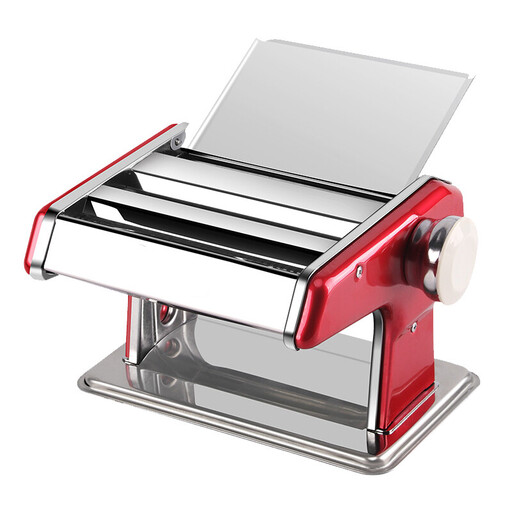
Why it suits this profile: For those who want to combine international dishes with homemade noodles or pasta and prefer to work by hand.
The product name states it is a manual model made from stainless steel. Do check the included parts and fixing method before purchasing.
Manual operation and stainless steel construction, suitable for making pasta and noodles.
We’ve put together a full, up-to-date list of products that fully meet these strict selection criteria and comply with current European safety regulations.
For an Italian meal, you can choose from various shapes. La Molisana 31 Rigatoni comes in a 500g pack and is made from durum wheat semolina. According to the product description, the ridged, hollow shape works well with tomato sauce, fillings and oven-baked dishes.
Prefer more fibre? Grand'Italia Whole Wheat Spaghetti is made from 100% wholewheat durum wheat semolina and contains 8.9g of fibre per 100g. For a thinner sauce, regular spaghetti is practical; the bronze-drawn La Molisana Spaghetti Bronze has a rough surface that helps sauce cling, according to the product information.
Check the weight, ingredients, chilli percentage, sugar and salt content, and allergens. Gochujang is usually not just hot, but also sweet and savoury. Choose a small pack if you’re not familiar with the product yet.
No. According to the product information, Bibigo Vegan Gochujang contains no animal-derived ingredients, but it does contain wheat and soya. So always read the current allergen information on the packaging.
Follow the instructions on the label. The product information for several of the items mentioned states that you should seal the packaging tightly and keep it refrigerated after opening. Use clean utensils and check the best-before date and any instructions after opening.
