
Vandaag of morgen in huis

Kwaliteit gegarandeerd

Welkomstaanbiedingen ontgrendelen: GRATIS bezorging | Tot 80% korting | Gratis 30 dagen JoyPlus-proefperiode
Download de app
Buying Asian sauces might seem straightforward, but the range varies widely in taste, ingredients and usage. A sweet chilli sauce for snacks works differently from a salty stir-fry sauce for vegetables. Terms like “authentic”, “natural” and “extra spicy” don’t always tell you enough about what’s actually in the bottle.
With this practical guide, you can compare flavour profile, ingredients, allergens, volume and how to use them. That way, you’ll avoid ending up with a sauce languishing at the back of the fridge.
A chilli sauce can be mostly sweet, while another variety might be packed with garlic, fermented ingredients or umami. So don’t just look for words like “hot” or “spicy” – check the ingredients list. With a Chinese chilli sauce containing garlic, for example, the balance between chilli, oil, garlic and fermented soya beans can make all the difference to the taste.
A ready-made stir-fry sauce is convenient, but not every sauce suits every meal. A curry stir-fry sauce gives a completely different result to kecap manis. Think about whether you’ll be using the sauce for:
Asian condiments often contain soya, wheat, gluten, sesame or shellfish. Always check the label, especially if you’re cooking for several people. The salt and sugar content can also vary. For instance, Go-Tan Original Chili Sauce contains 41 grams of sugar and 1.5 grams of salt per 100 grams, according to the product information. That makes it a good choice if you’re after a sweet chilli sauce, but less suitable if you prefer a savoury, less sweet flavour.
First, decide which profile you’re looking for:
Also look at the consistency. A fine chilli sauce is easy to pour as a table sauce. A thicker stir-fry sauce clings better to vegetables and noodles.
A 240 ml or 270 ml bottle is practical if you stir-fry occasionally. For a family or regular use, 500 ml can be better value, provided you use the sauce within the recommended period after opening and store it according to the label.
Pay attention to the usage instructions too. Go-Tan Wok Ketjap-Sesame, for example, recommends 80 ml of sauce for two portions with 200 grams of meat or fish and 400 grams of vegetables. That way, you can work out in advance how many meals you’ll get from one bottle.
Check the full ingredients list rather than just the front of the packaging. Look out for:
A product description might mention that a brand doesn’t use certain additives. Treat this as information from the brand itself and always check the current packaging. For example, Tan Tan Xiang Chili Sauce Garlic-Flavored states that the product contains soya and may contain traces of celery, mustard and sesame due to shared production lines.
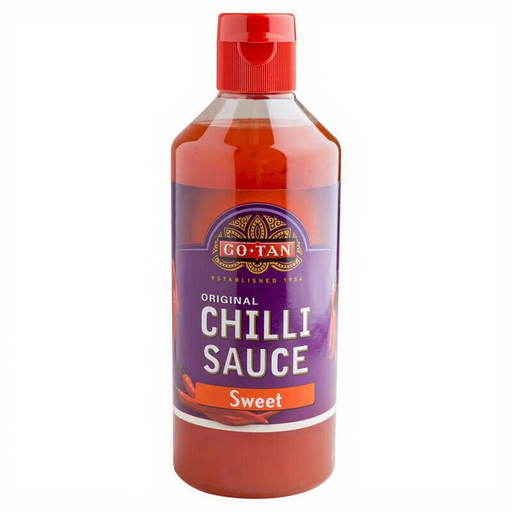
Why this fits the profile: A generous size for anyone who uses chilli sauce regularly with snacks, noodles or as a cooking sauce.
The product information clearly states that this sauce is garlic-free and can be used both as a table sauce and a cooking sauce.
500 ml volume, fine texture and, according to the product information, free from the 14 major EU allergens.
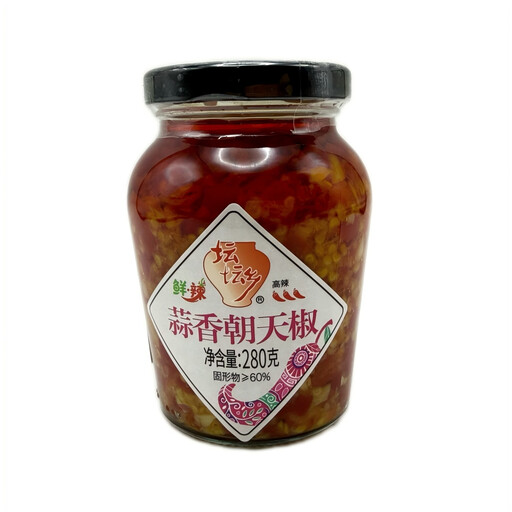
Why this fits the profile: Aimed at enthusiasts who love a pronounced chilli and garlic flavour with fermented black beans.
The ingredients list makes the presence of Chaotian chilli, garlic, fermented soya beans and oil clear, so you can assess the flavour profile.
280 grams, ready to use in stir-fries, marinades, noodles or as a dip. Contains soya; also check for possible traces on the packaging.
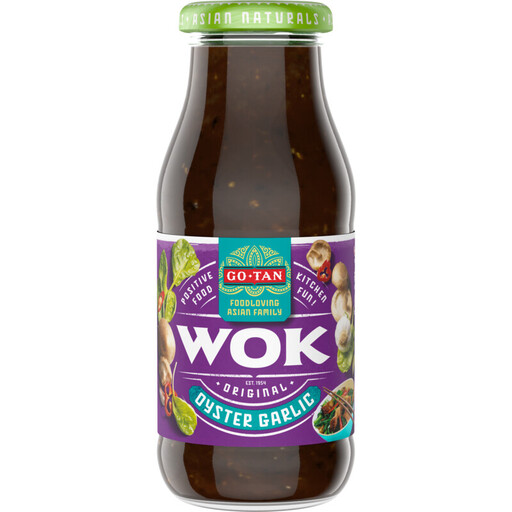
Why this fits the profile: Ideal for anyone who wants a quick, savoury sauce for stir-fries without having to measure out multiple seasonings.
The name and ingredients list oyster extract, garlic, soya sauce and wheat. This makes it clear upfront that it’s not a vegetarian or allergen-free sauce.
240 ml, 4.5 grams of salt per 100 grams and a usage profile for stir-fries with a savoury umami flavour.
We’ve put together a full, up-to-date list of products that fully meet these strict selection criteria and comply with current European safety regulations.
Kecap manis is an obvious choice when you’re after a sweet, dark flavour. According to the product information, Go-Tan Ketjap Manis contains molasses, soya sauce, salt and caramel colouring. Do check for soya, wheat and gluten. For a more savoury result, you can combine a stir-fry sauce or a small amount of soya sauce with garlic and chilli.
Always follow the instructions on the packaging. Some products need to be refrigerated after opening. Tan Tan Xiang, for example, states: store in a cool, dry place and refrigerate after opening. Seal the bottle tightly and don’t use the product if the packaging is damaged or the smell, colour or texture has clearly changed.
Start with the amount stated on the label and add more afterwards if needed. For Go-Tan Wok Ketjap-Sesame, 80 ml is recommended for two portions. With a strong oyster sauce with garlic or chilli sauce, a smaller amount is often enough. Add the sauce towards the end of stir-frying, so you can adjust the flavour and quantity more easily.
