
Vandaag of morgen in huis

Kwaliteit gegarandeerd

Welkomstaanbiedingen ontgrendelen: GRATIS bezorging | Tot 80% korting | Gratis 30 dagen JoyPlus-proefperiode
Download de app
Buying Asian sauces might seem straightforward: pick a bottle with a recognisable brand, an attractive label and a flavour that sounds appealing. Yet sometimes you end up paying more for the marketing than the product itself. A sauce might be described as “mild”, for example, while the sugar, salt or chilli only become truly apparent once you open it. What’s more, large bottles aren’t always a good deal if you only use the sauce occasionally.
With this practical buying guide, you can compare flavour, use, volume, allergens and nutritional information before you order. That way, you’ll find a chilli sauce for snacks, Japanese mayonnaise for sushi or a dipping sauce for a barbecue without any unnecessary missteps.
A 700 ml or 850 ml bottle often has a lower price per millilitre, but that advantage disappears if you use the sauce slowly and the quality deteriorates after opening. So always check the volume, the recommended storage method and how much sauce you typically use each week.
Heat levels aren’t indicated the same way on every label. A sweet chilli sauce is usually more approachable than sambal or a concentrated chilli oil, but personal taste varies. What’s more, “authentic” isn’t a technical quality benchmark. Instead, look at the country of origin, ingredients and recommended uses.
Soy sauce, Chinese sauce and many dipping sauces often contain soya and wheat (gluten). Japanese mayonnaise and wasabi mayonnaise typically contain egg and sometimes mustard. Always check the ingredients list and allergen information on the packaging. The product information on a web shop can change; the label on the product you receive is the final authority.
First, decide what you need the sauce for:
Pay attention to the order of ingredients. If sugar, oil or salt appear near the top, they make up a significant part of the recipe. That doesn’t automatically mean the sauce is unsuitable, but it does help you make a fair comparison.
A smooth sauce is easy to portion out and works well for dipping. A sauce with pieces of chilli, garlic, peanuts or sesame gives more texture, but may be harder to spread evenly over a dish. For everyday use, a squeezy bottle is practical; for a table condiment, a jar or sachet can be more convenient.
Compare nutritional values per 100 grams or 100 millilitres, not just per serving. The salt and sugar content in particular can vary a lot between sauces. For example, a Qian He Dipping Sauce (260 ml) lists 10.48 grams of salt per 100 ml. Sunlee Sweet Chilli Sauce lists 48 grams of sugar per 100 ml. Use these figures to adjust your portions and combinations with other ingredients.
Check whether refrigeration is needed after opening. For several products in this range, it is recommended to keep the sauce chilled after opening and to seal it tightly.
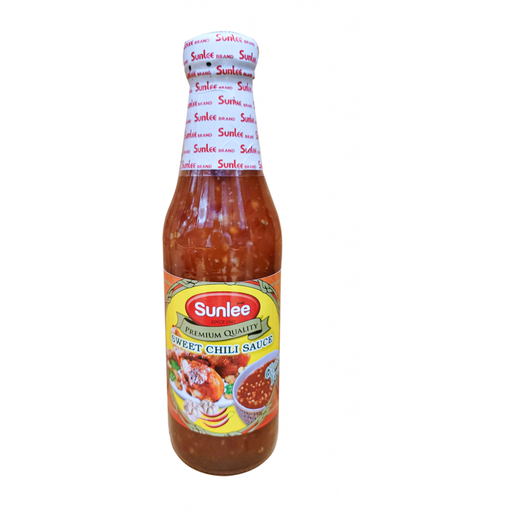
Why this fits the profile: A versatile bottle for anyone trying a Thai or Southeast Asian sauce for the first time. Use it as a dip, marinade, dressing or addition to a stir-fry.
The 300 ml volume stops you from buying a large stock straight away. The product information states a mild heat level and clear usage occasions.
300 ml; suitable for dips, glazes, marinades, stir-fries and salad dressings; according to the product information, free from the 14 major EU allergens.
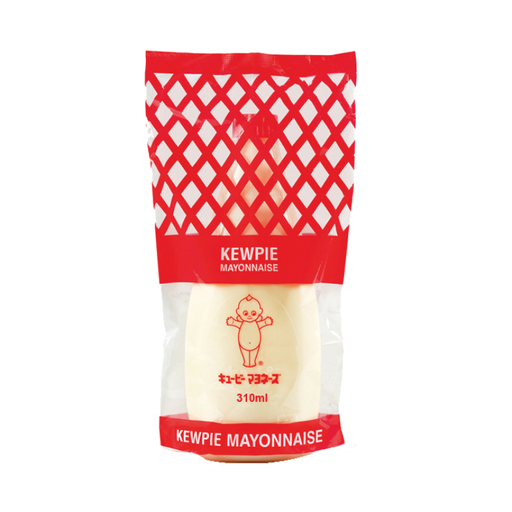
Why this fits the profile: For fans of a creamy Japanese mayonnaise with sushi, salads, sandwiches, grilled meat or chips.
The bottle clearly states its use and ingredients, such as vegetable oil, egg yolk, vinegar and mustard flour. This lets you compare the flavour against regular mayonnaise.
310 ml; squeezy bottle; contains egg and mustard; the product information mentions a creamy texture and umami flavour.
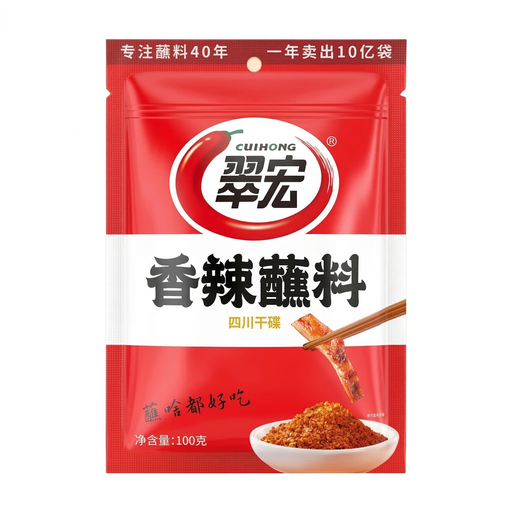
Why this fits the profile: Aimed at barbecue, hotpot, cold dishes and noodles where a spicy, textured dip is desired.
The small pack is ideal for targeted use. The ingredients list makes it clear that peanut, sesame, soya and Sichuan pepper are part of the flavour profile.
100 g; ready to use as a dip or seasoning mix; contains roasted chilli, sesame, peanuts, soya and Sichuan pepper.
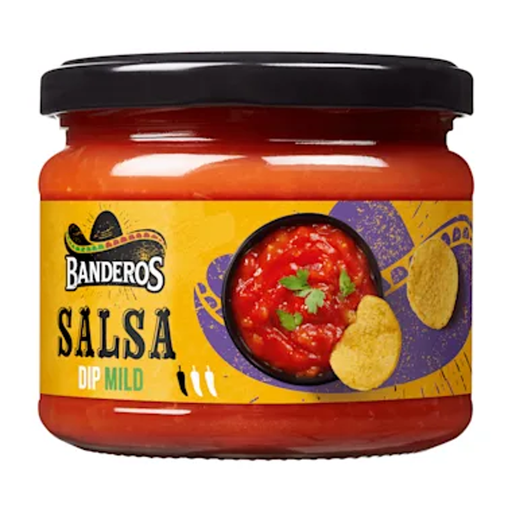
Why this fits the profile: A mild tomato salsa for tortilla chips, vegetables, party nibbles and simple celebratory meals.
The product description mentions a mild flavour and a clear base of tomato, onion and pepper. That makes the choice straightforward for a mixed group.
300 g; mild tomato salsa; according to the product information, free from the 14 major EU allergens.
We’ve put together a full, up-to-date list of products that fully meet these strict selection criteria and comply with current European safety regulations.
For sushi you can choose soy sauce, Japanese mayonnaise or wasabi mayonnaise. With mayonnaise, watch out for egg and mustard as allergens. Wasabi mayonnaise is best used as a topping or dip, not as a replacement for soy sauce.
That varies by product. After opening, store sauces according to the label: often tightly sealed in the fridge. The best-before date doesn’t always remain valid after opening. Use smell, colour and texture as practical indicators, but when in doubt, follow the packaging.
Chilli sauce is a broad category that includes both sweet and savoury varieties. Sambal is usually more concentrated and is often used in smaller amounts. Sriracha sauce typically has a smooth texture with chilli, garlic and a sweet-sour flavour. Always check the label, because the recipe and heat level vary by brand.
