
Vandaag of morgen in huis

Kwaliteit gegarandeerd

Welkomstaanbiedingen ontgrendelen: GRATIS bezorging | Tot 80% korting | Gratis 30 dagen JoyPlus-proefperiode
Download de app
The sauce and seasoning aisle can be overwhelming. Dozens of soy sauces, a wall of chilli sauces, and jars with unfamiliar names. Choosing the right bottle can sometimes feel like a gamble. The wrong choice not only leads to a disappointing dish but also to a pantry full of half-used bottles you'll never touch again. Before you toss another random bottle into your cart, it's wise to understand a few common pitfalls.
By paying attention to a few key details, you can avoid bad purchases and build a collection of seasonings that you'll actually use.
To make the right choice, it helps to look beyond the front of the label. The following points will help you evaluate sauces and seasonings based on their actual ingredients and intended use.
Not every sauce is a one-size-fits-all solution. Understanding a sauce's function is the first step toward better results in the kitchen.
A quick glance at the back of the bottle can tell you a lot. Pay attention to the following:
Based on application and composition, we've highlighted a few popular choices that suit different types of home cooks.
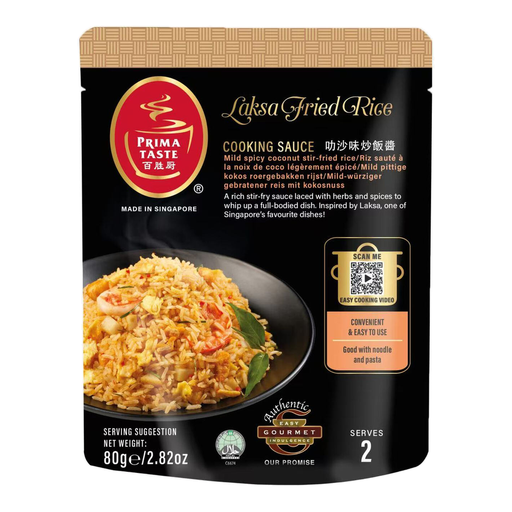
Why This Fits Their Persona: Ideal for those who want to put a flavourful meal on the table quickly after a long day. This sauce is specifically designed for fried rice, so you don't have to mix different seasonings yourself.
This product bypasses the generic "stir-fry sauce" trap. It's a specific sauce for a single dish, ensuring a focused and authentic Singaporean flavour profile instead of a vague "Asian" taste.
A complete flavour base in one sachet. According to the manufacturer, it contains no artificial colours or preservatives. The packaging is perfectly portioned for 2 to 3 servings.
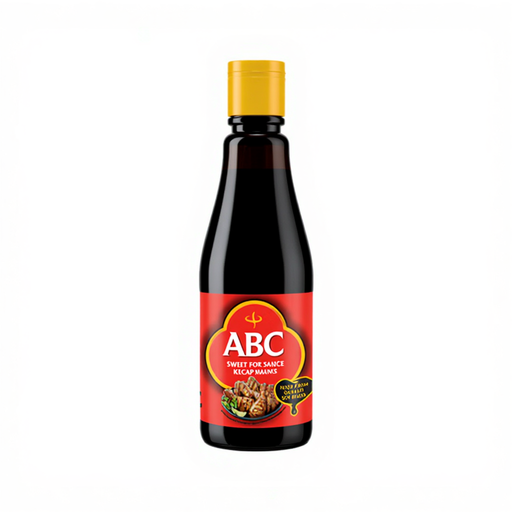
Why This Fits Their Persona: For those who want to bring the true taste of Indonesian classics like satay or nasi goreng into their home. This isn't a generic sweet soy sauce, but a specific product that forms the foundation of that cuisine.
This product avoids the "authentic" marketing trap by simply being what it is: a widely used kecap manis in Southeast Asia. The popularity of the ABC sauce brand is built on actual use, not empty claims.
It has the characteristic thick, syrupy texture and a deep, sweet flavour from sugar and soy extract. The 600 ml bottle is practical for regular use.
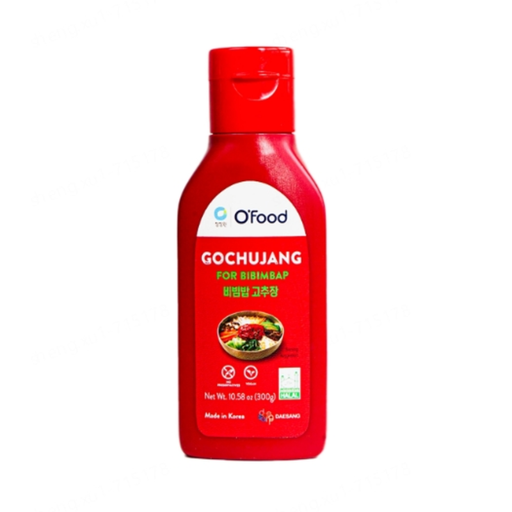
Why This Fits Their Persona: Perfect for those who want to explore Korean cuisine and aren't afraid of a little heat. Gochujang is a versatile base for marinades, stews (like tteokbokki), and of course, bibimbap.
This is not a simple hot sauce. It's a fermented paste, which provides a deep, complex umami flavour you won't find in a standard chilli sauce. It solves the problem of one-note, flat spiciness.
It offers a unique combination of sweet, savoury, and spicy. This specific product is also halal-certified, making it accessible to a wider range of users.
We've compiled a complete, up-to-date list of products that meet these selection criteria. Find the perfect seasoning for your next meal.
Light soy sauce is thin, light brown, and salty. It's primarily used to season dishes without significantly altering their colour. Dark soy sauce is thicker, darker, and less salty, with a slightly sweet taste. It's used to give dishes a deep, caramel-like colour and a rich flavour, as in stews and marinades.
This varies by product, so always check the label for specific instructions. In general, most Asian sauces like soy sauce, kecap manis, and oyster sauce should be stored tightly sealed in the refrigerator after opening. They often remain good for several months. Over time, the flavour and quality may decline.
No, they are two different types of chilli sauce. Gochujang is a Korean fermented chilli paste with a thick texture and a complex flavour that is sweet, savoury, and spicy. Sriracha is a non-fermented sauce, typically made from chilli peppers, vinegar, garlic, and sugar, with a more pronounced spicy and sour taste.
