
Vandaag of morgen in huis

Kwaliteit gegarandeerd

Welkomstaanbiedingen ontgrendelen: GRATIS bezorging | Tot 80% korting | Gratis 30 dagen JoyPlus-proefperiode
Download de app
Buying Asian sauces might seem straightforward, but the range varies widely in flavour, ingredients and size. A sweet chilli sauce isn’t automatically suitable for a stir-fry, and a large bottle is only good value if you use it regularly. With the right checks, you can avoid a bad purchase and choose a product that suits your recipes, diet and how often you cook.
Terms like “authentic”, “traditional” or “extra spicy” don’t always give the full picture. So look at the ingredients list, the sugar and salt content, and the recommended uses.
A chilli sauce might be mostly sweet, while another variety contains oil, fermented beans or garlic. That makes a big difference in noodles, dumplings, marinades and Asian sauces for stir-fries.
A 200 to 400 ml bottle is practical if you cook occasionally. Families, home cooks who make Asian food several times a week, and catering businesses are better off looking at 600 ml, 800 ml or a catering pack. Do check the shelf life and whether the bottle needs to be refrigerated after opening.
Soy sauce, oyster sauce and many Chinese sauces often contain soya and wheat. Oyster sauce also typically contains molluscs. Fish sauce contains fish, and some Korean sauces may contain milk, celery or nuts. Always check the current label, especially if you have an allergy or follow a vegetarian or vegan diet.
First, choose the type of sauce based on your dish:
A sauce with a lot of oil, such as crispy chilli oil, works differently from a smooth sauce. Lao Gan Ma Spicy Crispy Oil Chili contains, according to the product information, chilli, peanut, soya and sesame. That gives texture and heat, but makes the sauce less suitable for people with these allergies.
Don’t just compare the front of the packaging. Check:
Healthy Boy Mushroom Vegetarian Sauce is, according to the product description, made with mushrooms and is suitable for vegetarians and vegans. The sauce does contain soya and wheat. This example shows why you need to look at both the suitability claim and the allergen information.
An 850 ml bottle, like Inproba Sweet Chilli Sauce, suits frequent use. For a first try, a smaller pack is often more practical. A professional kitchen or large household can benefit from a 4.5 litre pack, such as Maekrua Mae Krua Oyster Sauce. Just check that you’ll use the sauce within the recommended period.
Store unopened sauces according to the label in a cool, dry place away from direct sunlight. After opening, product descriptions for several varieties recommend refrigeration. Always use the information on the packaging as your guide.
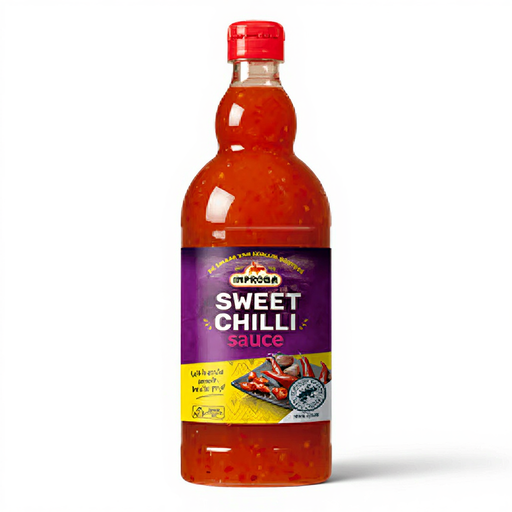
Why this fits the profile: The large bottle is handy for dips, snacks, grilled chicken and simple marinades. The sweet-spicy flavour is accessible for families.
The product information lists ingredients, nutritional values and a clear content of 850 ml, so you can weigh up size and flavour.
850 ml; suitable as a dip and marinade; according to the product information, free from the 14 major EU allergens.
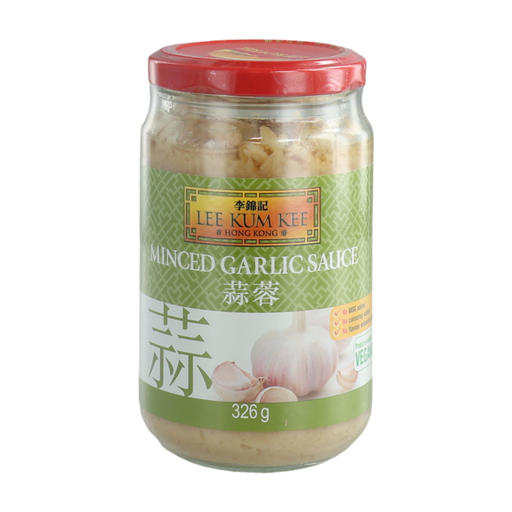
Why this fits the profile: The combination of chilli and 25% garlic, according to the product information, suits those who love a bold sauce for dumplings, noodles, tofu and wok dishes.
The sauce is ready to use straight away and the product description mentions several applications, so you don’t need to prepare a separate base.
326 g; garlic as a clear ingredient; can be used as a dip, marinade and stir-fry base.
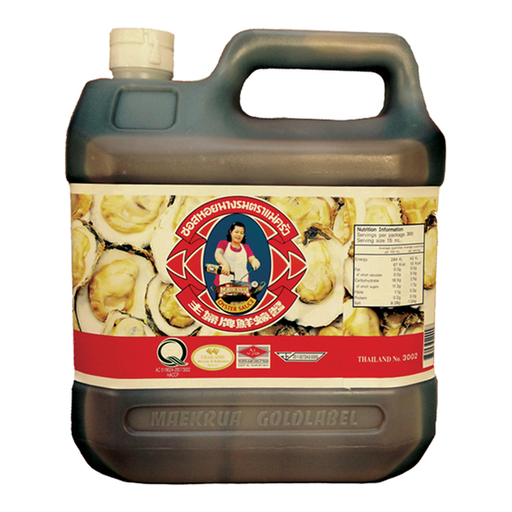
Why this fits the profile: The catering size is designed for restaurants, catering and heavy users who stir-fry, marinate or prepare sauces often.
You deliberately choose a large volume instead of several small bottles. That only makes sense with regular use and enough storage space.
4.5 litres; oyster extract as an ingredient; suitable for wok dishes, marinades and dips.
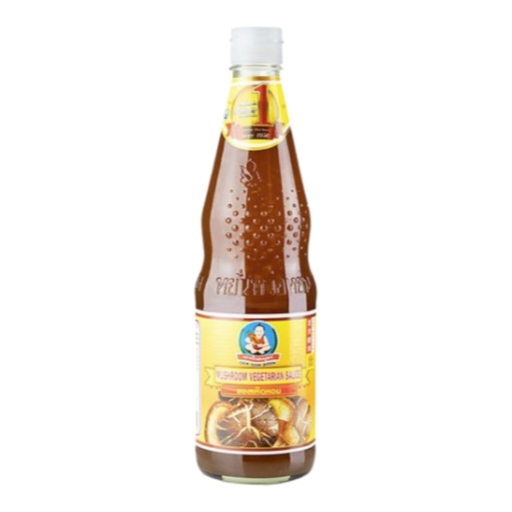
Why this fits the profile: The sauce is, according to the product information, suitable for vegetarians and vegans and combines mushrooms with soya for rice, noodles and vegetables.
The product description explicitly mentions its vegetarian and vegan suitability. Do check the current label before buying.
800 g; mushroom-based; suitable for rice, noodles and stir-fries.
We’ve put together a full, up-to-date list of products that fully meet these strict selection criteria and current European safety regulations.
That depends on the flavour you want. Soy sauce gives saltiness and umami, oyster sauce adds a richer savoury taste, and kecap manis provides sweetness and colour. For heat, you can add chilli sauce or garlic chilli sauce. Start with a small amount and taste before adding more sauce.
Choose a product where this is clearly stated and check the ingredients. A vegetarian Asian sauce based on mushrooms can be suitable for vegans, while oyster sauce and fish sauce are not. Also watch out for possible allergens such as soya, wheat and sesame.
This varies by product. Store the bottle according to the label, seal it tightly and put sauces that require it in the fridge after opening. Check the best-before date, smell, colour and texture before using the sauce. This is especially important with large packs that are used up slowly.
