
Vandaag of morgen in huis

Kwaliteit gegarandeerd

Welkomstaanbiedingen ontgrendelen: GRATIS bezorging | Tot 80% korting | Gratis 30 dagen JoyPlus-proefperiode
Download de app
The right Asian sauce can transform a dish, but the sheer variety can be overwhelming. The wrong choice can quickly lead to a disappointing meal. Many home cooks fall into the same traps, buying a bottle that gets used once before disappearing to the back of the cupboard. Let's explore how to avoid this and choose the perfect condiments for your kitchen.
Before you make a purchase, it helps to know where things often go wrong. Do any of these situations sound familiar?
To avoid buyer's remorse, focus on a few key characteristics. This will help you see through the marketing and choose a product that truly suits your needs.
Not every sauce is a stir-fry sauce. Its function is crucial. A well-stocked pantry for Asian cuisine often includes a few different types:
A glance at the label says a lot. Authentic soy sauces are traditionally brewed with just a few ingredients: soybeans, wheat, water, and salt. A shorter ingredient list is often a good sign.
For those avoiding gluten, Tamari is the alternative. This is a Japanese soy sauce typically brewed without wheat, resulting in a pure, rich gluten-free soy sauce.
Brands with a long history, such as Kikkoman from Japan or Lee Kum Kee from Hong Kong, have perfected their production processes over the years. This often ensures consistent quality. For specific flavours, like an authentic Korean sauce, it's worth looking for brands that are popular in Korea itself.
Below are some products that suit different cooking styles and needs, based on their specifications and applications.
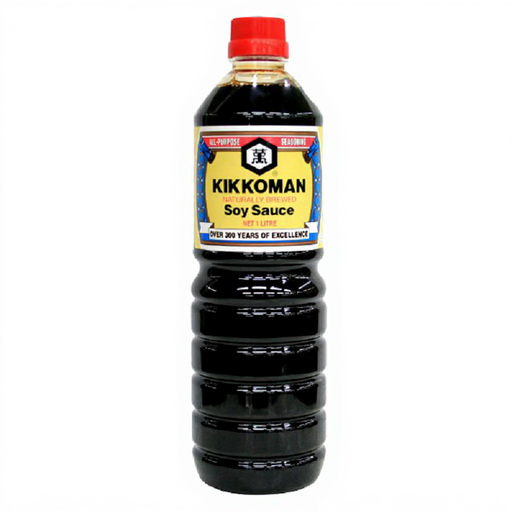
Why This Fits Their Persona: This is a reliable and versatile Japanese soy sauce that works for almost anything: from seasoning a stir-fry to a base for marinades or a dipping sauce for sushi. A true all-rounder.
This is a naturally brewed soy sauce, not a generic, sugary "stir-fry sauce." Its flavour is pure and its application is broad, ensuring it won't sit unused in the cupboard.
Made from just four ingredients: water, soybeans, wheat, and salt. The consistent quality of Kikkoman makes it a reliable choice.
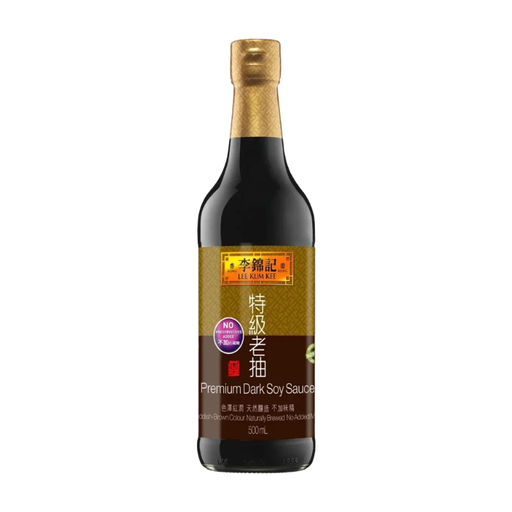
Why This Fits Their Persona: Ideal for those who love making Chinese braised dishes like 'Hong Shao Rou' (red-braised pork belly). This sauce is specifically designed to give dishes a deep, glossy colour and a rich, slightly sweet flavour.
This product avoids the classic mistake of using light soy sauce for colour, which would make a dish far too salty. It's a specific sauce for a specific job: adding colour and depth.
Less salty than light soy sauce, with a characteristic caramel colour and a subtle sweetness. An essential product from the renowned brand Lee Kum Kee.
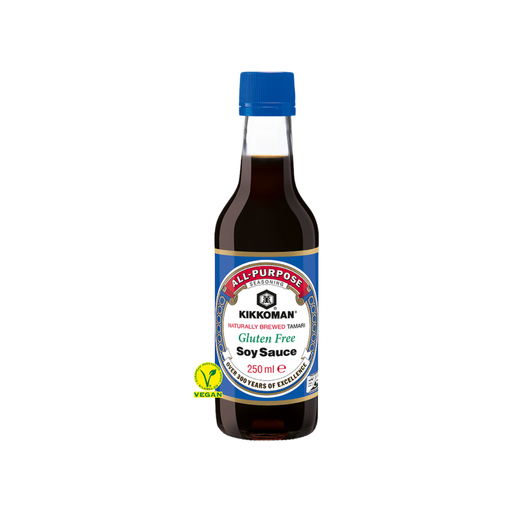
Why This Fits Their Persona: For anyone who needs or wants to avoid gluten, this tamari is the perfect substitute for regular soy sauce. It delivers the same umami-rich flavour without the wheat.
This product tackles the "hidden ingredients" trap. The packaging and name make it immediately clear that it's a gluten-free soy sauce, so you won't accidentally buy a product containing wheat.
Specially developed for a gluten-free diet. Brewed by Kikkoman in the Netherlands, using only water, soybeans, salt, and spirit vinegar as ingredients.
We have compiled a complete, up-to-date list of products that meet these selection criteria and current regulations.
Light soy sauce is thin, light brown, and salty. It's used for the foundational flavour (the salt and umami) in almost any dish. Dark soy sauce is thicker, almost black, and less salty. It's used in smaller amounts to give dishes a deep, rich colour and a slightly sweet, complex flavour.
Once opened, miso paste can last for a long time in the refrigerator, often up to a year. The high salt concentration acts as a natural preservative. Be sure to cover the paste with plastic wrap directly on the surface to minimise dehydration and oxidation, and seal the container tightly.
No, they are two different types of chili sauce. Sriracha is a relatively mild, smooth sauce with a distinct garlic and vinegar flavour. Sambal, which originates from Indonesia, is often a coarser paste of ground chilies and can vary widely in ingredients and heat level, from pure chili to versions with trassi (shrimp paste) or onion.
