
Vandaag of morgen in huis

Kwaliteit gegarandeerd

Welkomstaanbiedingen ontgrendelen: GRATIS bezorging | Tot 80% korting | Gratis 30 dagen JoyPlus-proefperiode
Download de app
Asian sauces add instant flavour to rice, noodles, vegetables, fish and meat. However, a bottle isn’t automatically right for every dish. A light soy sauce, for example, can be too salty as a dipping sauce, while a dark soy sauce mainly adds colour and depth. Satay sauce, oyster sauce and Thai dipping sauce also differ greatly in ingredients, texture and use.
For home cooks in the UK and small catering kitchens, there are three main pitfalls to watch out for:
First, decide what you need the sauce for:
A sauce for steamed fish isn’t necessarily a handy substitute for any stir-fry sauce. For a basic store-cupboard, a standard soy sauce is usually more flexible; for a specific dish, a specialised sauce can be more practical.
Asian sauces are often used in small amounts, but they can contain a lot of salt or sugar per 100 ml or 100 g. So compare the label, not just the front of the packaging.
Some examples from the product specifications:
A lower salt content doesn’t automatically mean a sauce is suitable for every dish. With products that make claims like “30% less salt”, it’s wise to check the nutritional information table and portion size. The product information from ChuBang states this reduction compared to regular soy sauce; always check the label for the current data.
Soya and wheat often occur together in soy sauce. Peanuts are key in satay sauce, while oyster sauce may contain molluscs. Sesame, milk and gluten-containing cereals are also listed on some products.
Also pay attention to the storage advice:
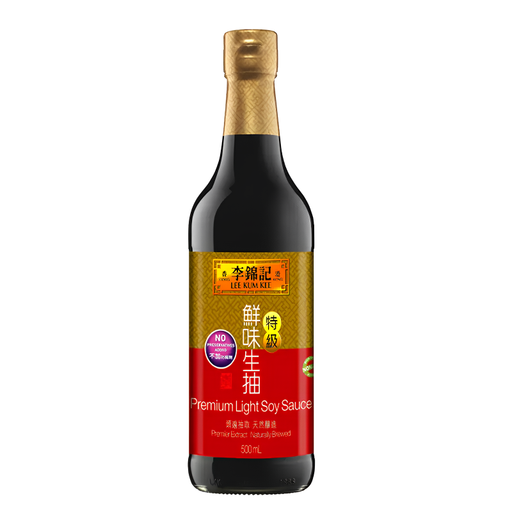
Why this fits the profile: A 500 ml bottle is manageable for anyone looking for a basic soy sauce for marinating, dipping and cooking without going straight for a bulk pack.
The product information mentions specific uses and lists soya and wheat as allergens. This means you can assess its use and suitability in advance.
500 ml content; suitable according to the product information for dipping, marinating and cooking.
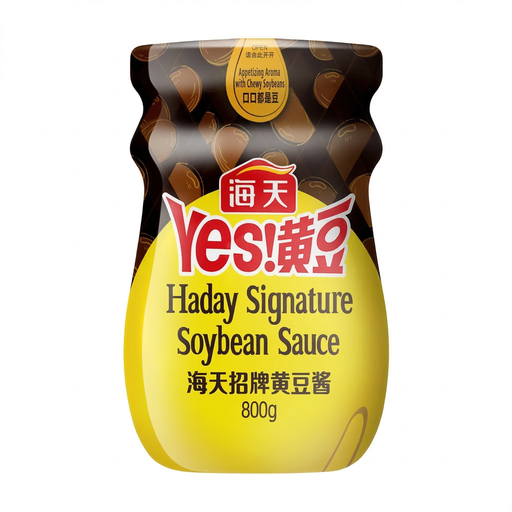
Why this fits the profile: The 800 g size suits households that regularly cook Chinese dishes, noodles and stews.
The label states 11.6 g of salt and 11.9 g of sugar per 100 g. So you can see in advance that portioning is important.
800 g; according to the product description, suitable for stewing, braising, dipping and noodles.
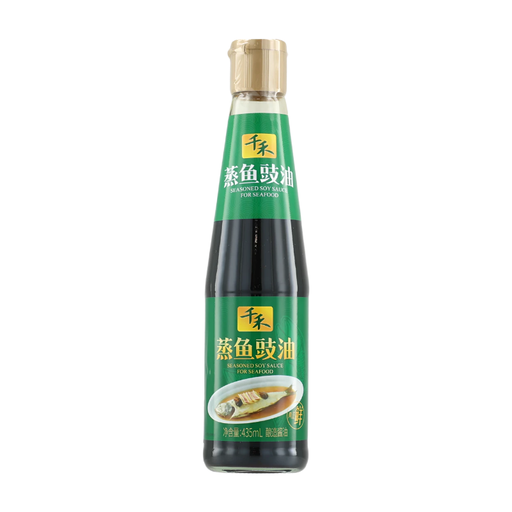
Why this fits the profile: This variant is aimed at fish, prawns and other seafood, making it ideal for cooks who steam regularly.
You’re not buying a general stir-fry sauce when you need a specific application. The product information mentions steaming, dipping and light stir-fries.
435 ml content; usage advice for fish, prawns and shellfish; soya and wheat listed as allergens.

Why this fits the profile: The ready-to-use version is practical for a small meal or when you want to heat and serve satay sauce straight away.
The 120 g portion limits unnecessary stock for occasional use. The label clearly lists peanut, milk, soya and wheat as allergens.
Ready-to-use; according to the product information, suitable for two portions, barbecue, chicken, chips and Asian dishes.
We’ve put together a full, up-to-date list of products that fully meet these strict selection criteria and current European safety regulations.
A light soy sauce is usually a practical choice for stir-fry sauce, noodles, rice and marinades. Use a dark soy sauce mainly when colour and a deeper flavour are important, for example in simmered dishes and stews. Check the salt content and add only a little at first.
Choose a product that is specifically described for fish or seafood, such as Qianhe Steamed Fish Soy Sauce or Lee Kum Kee Steam Fish Soy Sauce. According to their product information, these sauces are intended to be poured over fish after steaming or used as a light dipping sauce. Check for soya, wheat and any fish or shellfish-related allergens.
This varies by product. Many soy sauces and ready-to-use sauces need to be refrigerated after opening; follow the instructions on the label. Keep the bottle tightly sealed, use clean utensils and always check the best-before date and any information about the period after opening.
