
Vandaag of morgen in huis

Kwaliteit gegarandeerd

Welkomstaanbiedingen ontgrendelen: GRATIS bezorging | Tot 80% korting | Gratis 30 dagen JoyPlus-proefperiode
Download de app
The shelves of a physical or online Asian market can be overwhelming. Dozens of types of fish sauce, a wall of sriracha, and jars of sambal in every colour of the rainbow. Choosing the right Asian sauces can sometimes feel like a gamble. The wrong choice can make a carefully prepared dish bland, too salty, or overly sweet. As a Product Recommendation Officer at Joybuy, I see where things often go wrong. Let's review the most common pitfalls so you can confidently choose the right flavour enhancers from now on.
Many home cooks fall into the same traps, often caused by clever marketing or unclear labels.
To avoid the pitfalls mentioned above, there are a few objective specifications you can always check.
The ingredients list is always displayed in order of quantity. The ingredient listed first is the most abundant.
The function of the sauce determines the required texture and flavour intensity.
Based on clear product specifications and applications, we have selected a few popular choices for different types of home cooks.
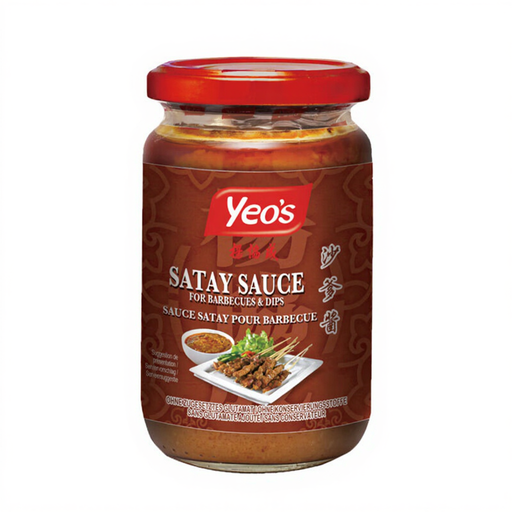
Why This Fits Their Persona: Ideal for those wanting to explore Indonesian cuisine without immediately diving into complex spice blends. This ready-to-use satay sauce is mild, creamy, and perfect as a dipping sauce for barbecues, a dressing, or with a side of fries.
This product avoids the pitfall of being overly sweet. The flavour is balanced with coconut extract, onion, and tamarind, while the peanuts (13%) provide an authentic, savoury base.
Ready to use out of the box, versatile, and features a mild, approachable flavour that serves as a great introduction to the world of satay sauce.
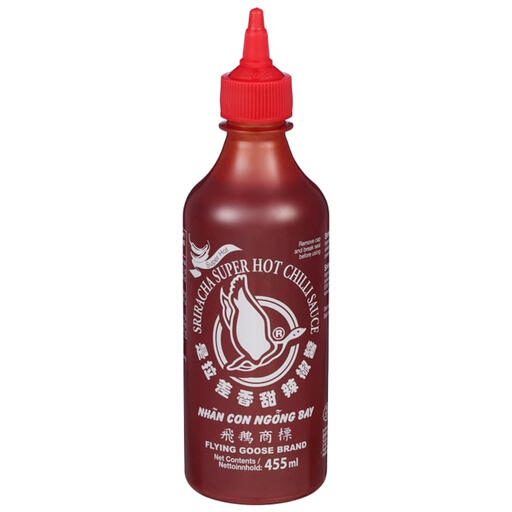
Why This Fits Their Persona: For the cook who isn't afraid of some heat. This sriracha is for those who find the standard version too mild and are looking for a serious kick for noodle soups, sandwiches, or as a dip for fried snacks.
This isn't a mild, Westernised chilli sauce. The label is clear: 70% chilli. You know exactly what you're getting: intense heat, not a bottle filled with sugar and water with a hint of pepper.
A very high chilli content for a powerful, spicy flavour. The addition of garlic and a touch of sugar creates the classic, balanced sriracha taste.
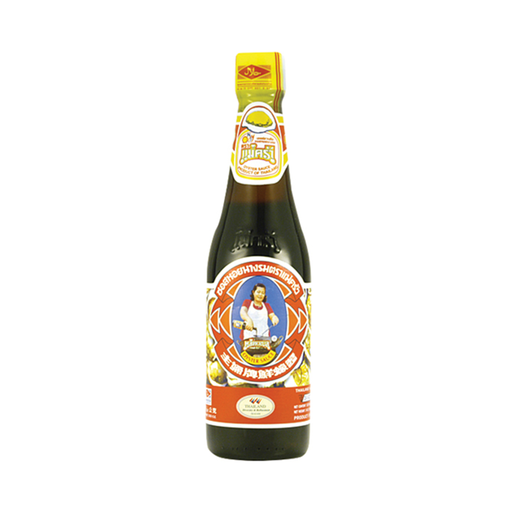
Why This Fits Their Persona: Oyster sauce is an indispensable base in many Thai and Chinese dishes. This person is looking for a reliable, flavourful version that can serve as a foundation for countless stir-fries, marinades, and sauces.
This product avoids the pitfall of a low extract content. It specifies 30% oyster extract, a clear indicator of a deep, briny umami flavour rather than a sauce primarily composed of sugar and starch.
A high percentage of oyster extract ensures an authentic, rich, and savoury taste. The large 600 ml bottle is practical for those who cook Asian food regularly.
We've compiled a complete, up-to-date list of products that meet these selection criteria and current regulations.
This depends heavily on the type of sauce. Sauces with a high content of salt, sugar, or vinegar, such as fish sauce and soy sauce, can often last for months in the refrigerator. Sauces based on peanuts or coconut, like satay sauce, have a shorter shelf life. It is always wise to check the label for specific storage instructions.
Light soy sauce is thinner, saltier, and often used as a dipping sauce or to season a dish without significantly altering its colour. Dark soy sauce is aged longer, thicker, less salty, and darker in colour. It is used to give dishes a deep colour and a richer, more complex flavour, for example in stews.
For a similar umami flavour, you can use a mix of soy sauce with a little sugar, but you will miss the unique briny depth of real oyster sauce. There are also vegetarian versions, often made from mushrooms, which can be a good alternative.
