
当日/次日达

品质保障

开启新人专享福利: 全场免邮 | 低至 2 折 | 免费试用 30 天 JoyPlus 会员
下载 Joybuy
Asian rice noodles are handy for a quick meal, but the range on offer varies a lot. A bag of dry rice vermicelli works very differently from a pot of instant rice noodles with several sachets of flavouring. The thickness, cooking time, ingredients and salt content all determine whether a product suits your kitchen.
Pay particular attention to three common pitfalls:
Thin rice vermicelli, around 1 mm, is ideal for Vietnamese salads, spring rolls and light soups. The product information for Sunlee states a preparation time of around 3 to 5 minutes soaking or 2 to 3 minutes boiling. After that, rinse the noodles with cold water.
The Bamboo Tree Rice Noodles 1mm (S) are also designed for thin applications. According to the product description, they are made from rice, tapioca and water, and come from Vietnam. Always check the current ingredients list on the packet; product information online can change.
For pho, stir-fries and meal salads, rice noodles of around 3 to 5 mm are often more practical. They hold their texture better and absorb broth or stir-fry sauce well. The Bamboo Tree Rice Noodles 5 mm (L) are, according to the product description, made from Vietnamese rice and are intended for soups and other simple dishes.
For a stir-fry, the order is important: soak or cook the noodles according to the packet, rinse them and let them drain thoroughly before adding them to the wok. Excess water will dilute the sauce and can make stir-frying difficult.
Instant rice noodles are handy for the office, a quick lunch or stocking your cupboard. The preparation varies:
Bear in mind that "rice noodles" doesn't automatically mean the whole product is gluten-free. The noodle block may be made from rice, while the broth or sauce contains wheat. So check each sachet individually.
If you're after bold flavours, look at spicy rice noodles, sweet and sour rice noodles and regional varieties. Luosifen rice noodles, also known as Liuzhou river snail noodles, typically combine rice noodles with pickled bamboo shoots, vinegar, chilli oil and several toppings.
The smell of fermented bamboo shoots is characteristic of this style, but it can be quite strong in a small British kitchen. You might want to start with less chilli oil and add vinegar or toppings to taste. For varieties with snails, prawns or other animal ingredients, checking for allergens is especially important.
Don't just look at the words "quick to prepare". Check whether you need a pan, how much water is recommended and whether the noodles need to be rinsed. Dry rice vermicelli can take 10 to 20 minutes to soak, while instant products are sometimes ready in just a few minutes.
Check the full ingredients list for:
The EU allergen declaration should be clearly visible on the packet. If in doubt, it's wise not to use the product until you've checked the current labelling.
A 400 g packet of dry noodles is usually intended as a store-cupboard staple for several meals. An instant packet of 105 to 300 g often contains broth, oil and toppings as well as noodles. So compare the nutritional values per 100 g and per portion.
Across different instant varieties in the range, the stated salt content per 100 g is relatively high. You can partly adjust the flavour by not using all the chilli oil or broth, but this will change the nutritional values of the finished dish.
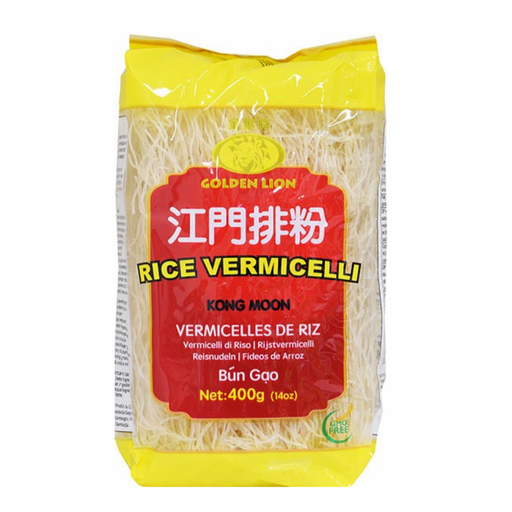
Why this fits the profile: A neutral store-cupboard noodle for anyone wanting to try pho, salads and stir-fries without buying several instant flavours straight away.
The product information clearly states that the noodles can be used for soups, salads and stir-fries and need to soak for 10 to 20 minutes, depending on thickness.
400 g packet; suitable for several dish types; according to the product information, free from the 14 main EU allergens.
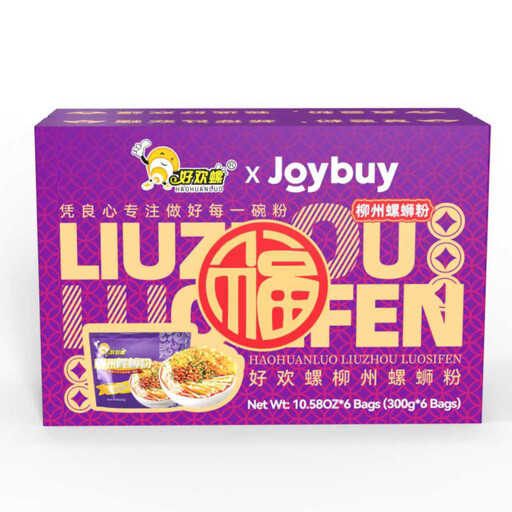
Why this fits the profile: A value pack for Luosifen fans who want to keep several portions in stock or share them.
The set contains seven separate sachets, including bamboo shoots, pickled vegetables, vinegar, chilli oil, peanuts and fried tofu. This allows you to control the quantities of each component.
Six bags of 300 g; preparation according to the product information in around 12 minutes; multiple textures and toppings.
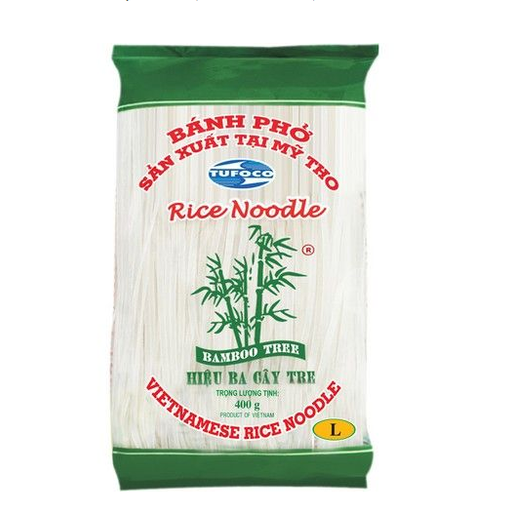
Why this fits the profile: Ideal for home cooks who regularly make stir-fries, pho or meal bowls and want control over the sauce and toppings.
The 5 mm thickness is stated in the product name, so you're not relying solely on a general term like rice noodles.
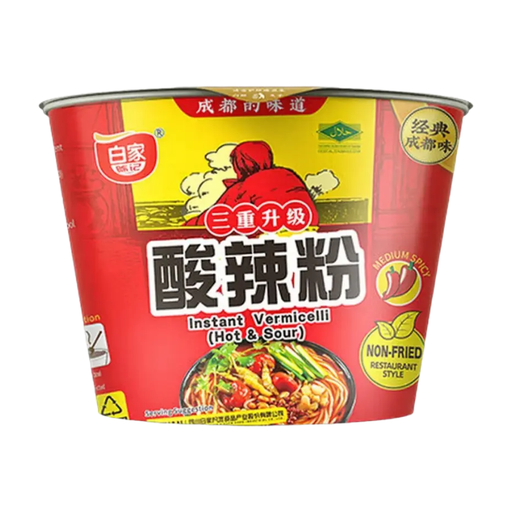
Why this fits the profile: A compact pot for anyone who wants a sour and spicy meal quickly with minimal washing up.
The instructions clearly state that you add boiling water and wait 5 to 6 minutes. Plus, the heat level can be partly adjusted using the sachets.
105 g portion; prepared in the included pot; contains separate sauce, oil and powder sachets.
We've put together a full, up-to-date list of products that fully meet these strict selection criteria and current European safety regulations.
Yes, but choose a thin or medium-thick variety that is stated on the packet as suitable for soup. Thin rice vermicelli can also be used for Vietnamese bun dishes and salads. Cook or soak the noodles separately and only add them to the broth afterwards.
Follow the stated cooking or soaking time, rinse the noodles with cold water after draining and let them drain thoroughly. For stir-fries, it helps to toss them immediately with a small amount of oil or sauce. Overcooking makes the texture soft and sticky.
Store dry rice vermicelli sealed in a cool, dry place, away from moisture and direct sunlight. Instant products with opened sauce or topping sachets should, according to the product information, usually be prepared and eaten straight away. Check the best-before date, storage instructions and any warnings on each packet.
