
Vandaag of morgen in huis

Kwaliteit gegarandeerd

Welkomstaanbiedingen ontgrendelen: GRATIS bezorging | Tot 80% korting | Gratis 30 dagen JoyPlus-proefperiode
Download de app
Buying rice seems simple until you have to choose between jasmine rice, basmati rice, pandan rice, multigrain rice and different pack sizes. A pack may look like good value, yet turn out to be less suitable for your dishes or household. Terms such as “aromatic”, “extra-long” and “premium” only tell you so much unless you know what product specifications they refer to.
Use this practical buying guide to compare rice by type, texture, origin, pack size and intended use. That way, you can choose rice more confidently for everyday meals, Asian dishes, meal prep or professional use.
A 10 kg or 20 kg bag of rice may seem better value than a 1 kg pack, but that only applies if you use rice regularly. A large bag also takes up more storage space and needs to be sealed properly to protect it from moisture and contamination. For a small household, a 1 kg or 5 kg pack may be more practical.
Jasmine rice, Thai rice and Vietnamese rice can all be fragrant, but the cooking results vary between varieties. Jasmine rice is usually soft and slightly sticky once cooked. Basmati, on the other hand, is known for its long, separate grains. If you mainly make biryani or pilaf, you’ll need different qualities from someone serving rice with curry or stir-fries.
Rice itself usually contains few ingredients, but mixed varieties may contain grains or other ingredients. For example, the product information for Sunlee Healthy Mixed Rice lists white rice, brown rice, black rice, red rice, millet, barley and other grains. Barley contains gluten. Always check the ingredients list and allergen information on the pack. The physical packaging may also have more up-to-date or detailed information than an online product page.
Origin helps you understand more about a product, but it doesn’t guarantee a particular cooking result. Check the exact ingredients too. Descriptions such as “100% Thai Hom Mali Jasmine Rice”, “100% basmati rice” and “100% long grain jasmine rice” tell you more than a general label such as “white rice”.
Claims about flavour, aroma or quality come from the product description or the brand. Treat them as product information, and check the ingredients, origin and cooking instructions on the pack.
Look out for inconsistencies in product information too. Online listings for large bags sometimes show different weights. Always check the net weight on the pack before ordering.
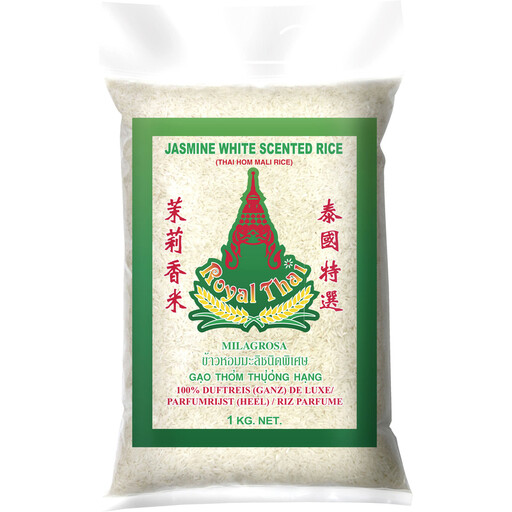
Why it suits this profile: A manageable pack for anyone who wants to try Thai rice without stocking up straight away. The product description states that it comes from Thailand and has long grains.
The smaller pack helps reduce waste while you work out how much rice you use. Be sure to check the cooking instructions on the pack.
1 kg, long-grain rice, naturally fragrant according to the product information, and suitable for Asian and international dishes.
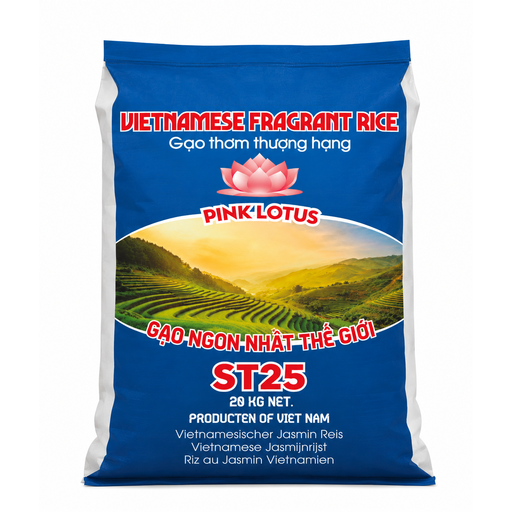
Why it suits this profile: For anyone looking for a distinctive Vietnamese rice variety who regularly cooks for several people. According to the product description, ST25 has a delicate aroma and a soft, slightly sticky texture.
The product information specifies the variety, origin, grain type and suggested uses. This makes it easier to compare than relying on the pack description alone.
Vietnamese ST25, 20 kg, suitable for rice bowls, stir-fries, curry and everyday meals.
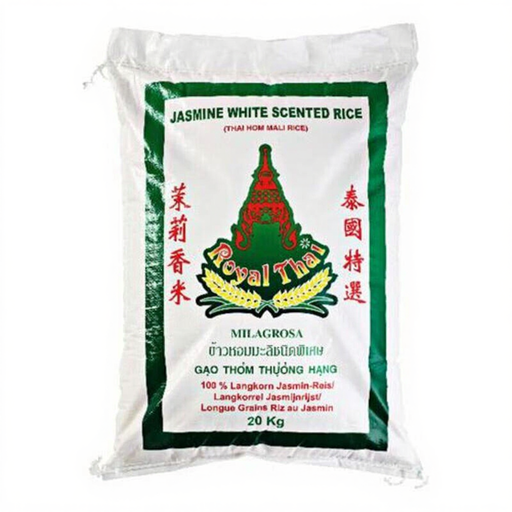
Why it suits this profile: A large pack for restaurants, caterers, families with high rice consumption and fans of Thai food.
The pack is designed for frequent use. Once opened, store it in a cool, dry place and seal it well to help prevent moisture from affecting the quality.
20 kg, Thai long-grain rice, described in the product information as soft and fluffy once cooked.
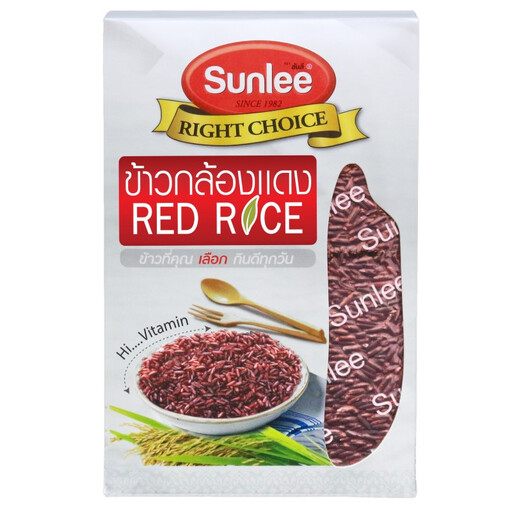
Why it suits this profile: For anyone who wants to use a firmer rice alongside white rice, in bowls, salads or as a side dish.
The product description recommends a cooking ratio of around one part rice to two parts water, with a cooking time of 20 to 30 minutes.
1 kg, red rice, firm texture and clear cooking information to help you plan portions.
We’ve put together a complete, up-to-date list of products that meet these strict selection criteria and current European safety regulations.
Store rice in a cool, dry place, away from direct sunlight, heat and moisture. Seal the pack tightly after opening or use an airtight storage container. Rinse the rice according to the instructions on the pack; the amount of water needed varies by type.
Cooked rice needs to be handled safely. Serve it hot, or cool it quickly and store it in the fridge. Always follow the instructions on the pack, especially for red rice, multigrain rice and mixed varieties.
Jasmine rice, pandan rice and other types of Thai rice often go well with curry, stir-fries and rice bowls. Basmati is a better fit for biryani, pilaf and South Asian curries. ST25 may be a good choice for Vietnamese dishes, depending on the texture you’re after.
Uncooked rice usually keeps for a long time if stored in a cool, dry place in a tightly sealed container. Always check the best-before date on the pack. Once opened, moisture, heat and pests can affect its quality.
That depends on the price per kilo, how much you use and how you store it. A 20 kg bag can be practical for restaurants, catering businesses and large families, but a 1 kg or 5 kg pack is often easier to manage and less likely to go to waste if you only use rice occasionally.
