
Livraison le jour même et le lendemain

Qualité garantie

Débloquez vos offres de bienvenue: Livraison GRATUITE | Jusqu'à -80 % | 30 jours d'essai gratuits à JoyPlus
Téléchargez l'application
Buying Asian rice might seem straightforward, but the differences between varieties are significant. A rice that works well with curry can be awkward for sushi. The pack size also deserves attention: a bag of 18 or 20 kg is economical if you use it regularly, but it does require plenty of dry storage space.
When making your choice, watch out for three common pitfalls:
The grain shape and starch content largely determine how the rice feels after cooking.
Jasmine rice, also known as Thai rice or Hom Mali, has long grains and, according to the product descriptions of various brands, a natural fragrance. After cooking, the texture is typically soft and slightly sticky. This makes it a great match for curry, stir-fries, chicken, vegetables and rice bowls.
Examples include Royal Thai Perfume Jasmine Longgrain Rice in 1 kg, Green Dragon Perfume Thai Hom Mali in 2 kg, and the larger bags from Royal Thai, Red Dragon and Orchidee. Pay attention to the country of origin: Thai, Vietnamese and Cambodian rice can all be sold as fragrant long-grain rice, but they are not automatically the same product.
Sushi rice usually consists of short, round grains. After cooking, the rice becomes soft, glossy and sticky enough to shape into sushi, onigiri and donburi. Ordinary jasmine rice or basmati rice falls apart more easily and is therefore less practical for sushi rice.
Taiyori Sushi Rice BOX 1kg and Hanako Short Grain Japonica Rice are examples of short-grain rice. Hanako is available in 1 kg, 5 kg and 10 kg packs. When preparing it, always check the ratio on the pack, because short grains often need a different amount of water than long-grain rice.
Sticky rice or glutinous rice is designed to clump together clearly. The name refers to the texture, not to gluten: Royal Thai Glutinous Rice is listed as gluten-free according to the product information. This rice is often steamed and works well with certain Thai and Lao dishes, desserts and snacks.
Do not use sticky rice as a general substitute for jasmine rice. The preparation and texture are different.
Basmati rice has long, relatively separate grains and is widely used for biryani, pilaf and spiced dishes. Golden Sella is pre-cooked, or parboiled, basmati rice. This can help keep the grains separate after cooking, but always follow the preparation instructions for the specific product.
If you want more variety, consider brown rice, red rice or mixed-grain rice. Sunlee Red Rice contains 100% red rice according to the ingredients list. Sunlee Healthy Mixed Rice is described as containing white rice, brown rice, black rice, red rice, millet and barley. The latter therefore contains a gluten-containing grain. Sunlee Berry Rice is sold as a mixed-grain rice; check the label there too if allergens are important to you.
Don’t just look at the country name on the pack. Look for terms like:
The terms pandan rice and jasmine rice are sometimes used interchangeably in shops. So always check the ingredients list and the official product name.
For plain rice, the ingredients list should usually consist of just one type of rice. With a mix, other grains, seeds or ingredients may have been added. Sunlee Healthy Mixed Rice, for example, lists barley; that is relevant for consumers who need to avoid gluten-containing grains.
Do not rely solely on a web shop description. The pack may contain more or different information. Before use, read the current ingredients list, allergen information and preparation instructions.
A 1 kg pack is practical for a household that wants to try a new variety. For everyday use, 2 kg, 4.5 kg, 5 kg, 10 kg, 18 kg and 20 kg are available in the range. Work out the price per kilogram, but also factor in waste and storage when making your decision.
Store rice in a cool, dry place away from direct sunlight. Seal an opened bag tightly or use a suitable storage container. With bulk packs, it is practical to keep a smaller portion in the kitchen and store the rest sealed.
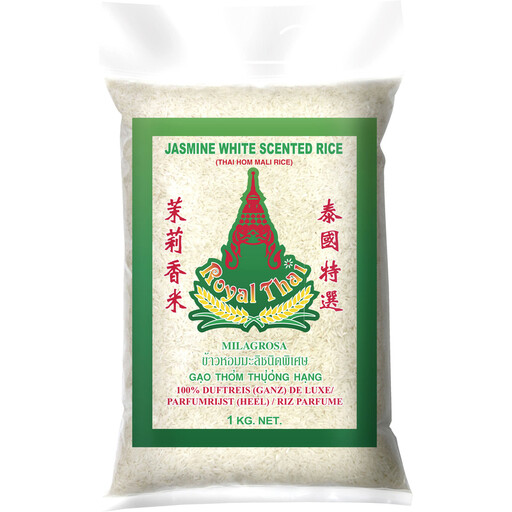
Why this fits the profile: A 1 kg pack is manageable for anyone trying jasmine rice for the first time or alternating with other varieties.
The product information clearly states longgrain jasmine rice, 1 kg and Thailand as the origin.
100% jasmine rice according to the ingredients list; suitable for Asian and everyday meals.
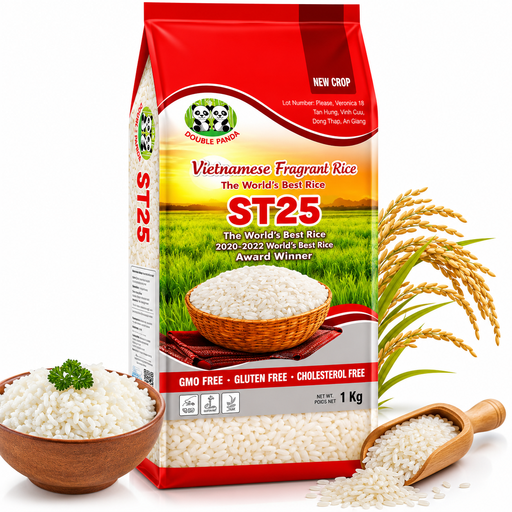
Why this fits the profile: Ideal for anyone looking for a specific Vietnamese long-grain rice variety for rice bowls, side dishes and stir-fries.
The product specification mentions ST25, long grain, Vietnam and 100% fragrant rice.
1 kg pack; can be prepared in a rice cooker, steamed or boiled according to the pack instructions.
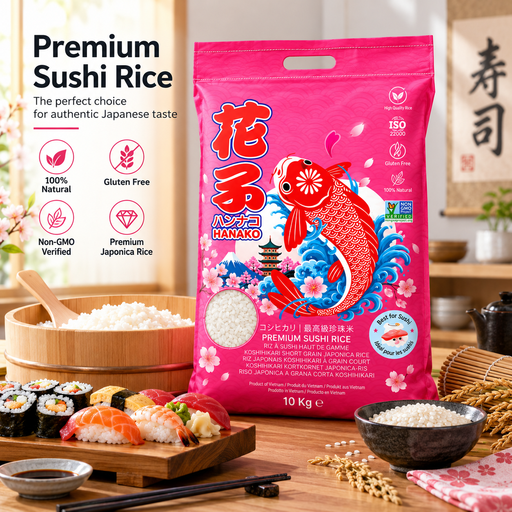
Why this fits the profile: The large pack suits meal prep, families and foodservice use where sushi or Japanese rice is prepared regularly.
The product is specifically labelled as short-grain Japonica and not as a general long-grain rice.
10 kg content; suitable for sushi, onigiri, rice bowls and other Japanese dishes.
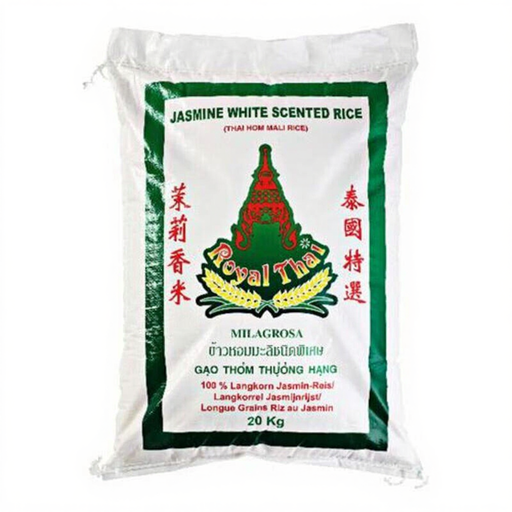
Why this fits the profile: The 20 kg pack is designed for high-volume use, catering, restaurants and households with a high rice consumption.
The net weight, Thai origin and type of fragrant long-grain rice are clearly stated.
20 kg content; suitable for everyday meals, Asian dishes and catering.
We have put together a full, up-to-date list of products that fully meet these strict selection criteria and comply with current European safety regulations.
Choose short, round rice such as sushi rice or Japonica. These grains become soft and sticky after cooking, making them easier to shape. Jasmine rice and basmati rice are usually less suitable for sushi.
As a side dish, you can usually allow around 60 to 75 grams of uncooked rice per person. For a main course, meal prep or big eaters, the amount may be higher. Always check the preparation instructions on the pack for specific products.
Uncooked rice generally keeps for a long time if you store it dry, cool and sealed. The exact date is on the pack. Cooked rice should be cooled quickly, kept refrigerated and reheated or consumed according to food safety guidelines.
