
Livraison le jour même et le lendemain

Qualité garantie

Débloquez vos offres de bienvenue: Livraison GRATUITE | Jusqu'à -80 % | 30 jours d'essai gratuits à JoyPlus
Téléchargez l'application
Buying Asian rice might seem straightforward – until you’re faced with a shelf or online page full of dozens of varieties. Jasmine rice, sushi rice, sticky rice and mixed grain rice differ not only in origin, but also in texture, preparation and use. What’s more, a large bag isn’t automatically better value if you don’t use it up quickly enough or don’t have suitable storage.
When comparing, watch out for three common pitfalls:
The grain and starch content largely determine how the rice turns out of the pan.
Jasmine rice is a long-grain rice with a distinctive aroma. Thai rice – especially Thai Hom Mali – is commonly used with curries, stir-fries and everyday meals. According to the product descriptions of the brands on offer, this rice has a soft, fluffy texture after cooking. Always check that the packaging actually says “Thai Hom Mali” or “jasmine rice”.
Vietnamese ST25 rice is a long-grain, fragrant rice from Vietnam. Product descriptions from suppliers mention a delicate aroma and a soft grain after cooking. Use the ratio given on the label, as water recommendations can vary by brand and harvest. This variety works well in rice bowls, as a side dish and in many Asian meals.
Sushi rice is usually short-grain Japonica rice. The grains become soft and slightly sticky, making them ideal for sushi, onigiri and rice bowls. Sticky rice – also called glutinous rice – is even more focused on a cohesive texture and is often steamed.
Please note: “glutinous” in the name refers to the sticky texture, not to gluten. If you have allergies, always check the current packaging.
Mixed grain rice is a blend of rice and other grains or seeds. The composition can vary by brand and batch. Some varieties, for example, contain barley. Red rice typically has a firmer bite and a nutty flavour profile. The cooking time and water ratio often differ from white rice.
Don’t just look at the front of the bag. For a product like Sunlee Healthy Mixed Rice, the ingredients include white, brown, black and red rice, millet and barley. This means it contains gluten-containing grains. Another mixed grain blend may have a different composition.
For single-variety rice, the label often says “100% rice” or names a specific type. That makes comparison easier, but you should still check the packaging for the most up-to-date information.
A 1 kg bag of rice is suitable if you want to try a new variety or have limited storage space. A 5 kg bag is practical for a household that cooks Asian food regularly. A 10 kg or 20 kg bag can lower the price per kilo, but you’ll need a dry, cool and well-sealed storage area.
Don’t store opened rice for a long time in a damp cupboard. Ideally, transfer the bag to an airtight food container and check the best-before date on the packaging.
Rinse most types of rice two or three times first. This removes excess surface starch, but the effect varies by type. Don’t automatically use the same water ratio for jasmine rice, sushi rice and red rice.
The instructions for the products on offer vary: for ST25 rice, for example, roughly one part rice to 1¼ parts water is recommended, while for red rice, roughly one part rice to two parts water is suggested. Leave cooked rice to rest for a few minutes after turning off the heat before you fluff it up.
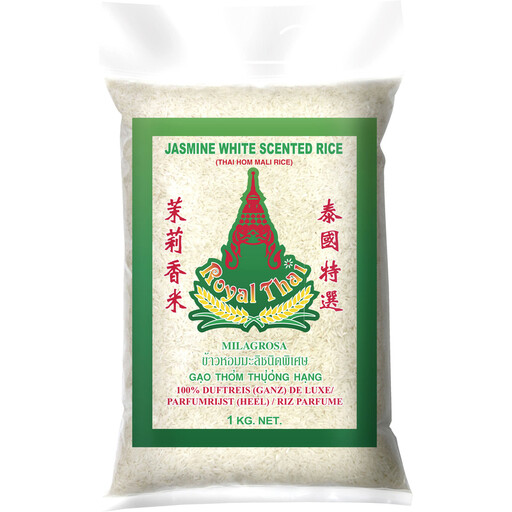
Why this fits the profile: A straightforward pack to try Thai jasmine rice without committing to a large stock. The product description states 1 kg, long grains and origin Thailand.
The type and origin are clearly stated, so you rely less on vague marketing terms.
1 kg pack; 100% jasmine long-grain rice; suitable for Asian and international dishes.
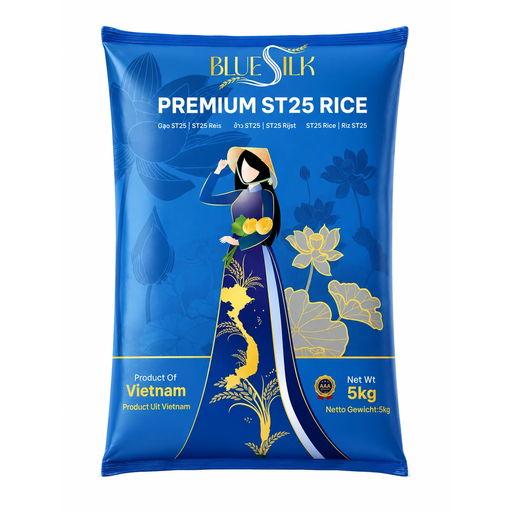
Why this fits the profile: This Vietnamese ST25 rice comes in a 5 kg pack and is aimed at those who value aroma and texture in their everyday meals.
The product information names the ST25 variety, 100% Vietnamese rice and a specific cooking ratio.
Origin Vietnam; 100% rice according to the product description; resting time of 10 minutes after cooking.
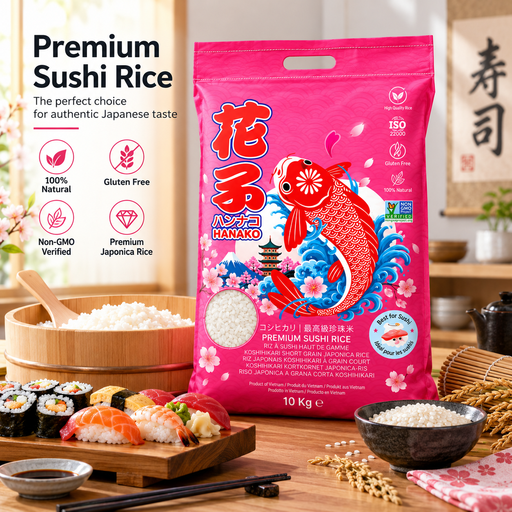
Why this fits the profile: The short-grain Japonica rice is designed for sushi, onigiri and rice bowls. The 10 kg bag suits frequent use and food service.
The rice type is specifically labelled as short-grain Japonica, so you won’t confuse it with long-grain jasmine rice.
10 kg pack; soft, slightly sticky texture; suitable for sushi, onigiri and rice bowls.
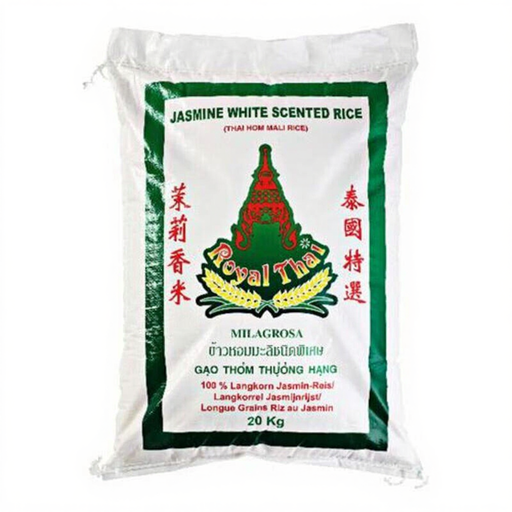
Why this fits the profile: The large bag is intended for high-volume use, catering and households that serve rice often. The product description mentions Thai fragrant long-grain rice.
The pack is clearly 20 kg and the rice type is described, so you can match the contents and use to your consumption in advance.
20 kg pack; Thai long-grain rice; suitable for everyday meals and catering.
We’ve put together a full, up-to-date list of products that fully meet these strict selection criteria and comply with current European safety regulations.
For daily use, many households choose jasmine rice or Thai long-grain rice. These varieties work well with curries, stir-fries and rice as a side dish. Consider the texture you prefer: long-grain rice generally stays fluffier than sushi rice or sticky rice.
That depends on the type, packaging and storage conditions. Keep rice dry, cool, out of direct sunlight and well sealed. Use the best-before information on the packaging as a guide. Before use, check for moisture, insects or an unusual smell. Cooked rice should be cooled quickly and stored in the fridge according to food safety guidelines.
A larger pack can have a lower price per kilo, but that’s not always the case. Compare the price per kilo and take into account your storage space and actual consumption. For a first try, a 1 kg bag is usually more practical; for catering, meal prep or a large household, a 10 kg or 20 kg bag may be a better fit.
