
Vandaag of morgen in huis

Kwaliteit gegarandeerd

Welkomstaanbiedingen ontgrendelen: GRATIS bezorging | Tot 80% korting | Gratis 30 dagen JoyPlus-proefperiode
Download de app
Asian rice crackers come in many varieties: from Japanese senbei with soy sauce to Chinese rice snacks with five-spice, sesame, seaweed or chilli. Yet an attractive packet doesn't always tell you everything you need to know. When you buy rice crackers online, it pays to look beyond just the flavour – check the ingredients, allergens, portion size and shelf life after opening too.
Some crispy rice snacks are made mostly from rice, while others contain mainly starch, corn, wheat or millet. That’s not necessarily a bad thing, but it does affect the texture and taste. So always check the ingredients list. For example, millet snacks may list millet first, whereas other products are based on rice or glutinous rice.
A 300g to 500g pack can be good value for sharing, but once opened, rice crackers lose their crunch more quickly if the bag isn’t sealed properly. Individually wrapped portions are far more convenient for lunchboxes, the office or eating on the go. So look at both the net weight and how the product is packaged.
The flavour name on the front gives you a first impression, but do check the sugar and salt content per 100g. A sweet rice cracker often contains more sugar, while savoury or spiced varieties can be relatively high in salt. What’s more, a product with chilli or Sichuan pepper can have a tingling, numbing effect that not everyone enjoys.
Always read the full ingredients list, especially with Japanese senbei and Chinese rice snacks that use spice blends. Many savoury varieties contain soy sauce, and therefore often soya and wheat. Examples from the range also mention fish, shellfish, egg or sesame.
Look out for the following labels:
If you have an allergy, always check the packaging when you receive it. Product compositions and labels can change.
The product description may tell you whether a snack is baked, puffed or made using a non-fried process. This gives you an idea of the expected texture, but doesn’t automatically tell you the overall nutritional value. So compare the fat content and amount of saturated fat per 100g too.
For a light, thin crunch, rice crackers with seaweed or classic senbei are often a good choice. If you prefer more bite, look at rice sticks, rice crust snacks or crackers made from glutinous rice.
Small bags around 70g to 100g are ideal for trying a new flavour. Packs of 150g to 200g are better suited to a film night or drinks with friends. For families, tea gatherings or stocking up the cupboard, a large pack of 300g or more could be a good option.
Store opened rice crackers in a cool, dry place, away from moisture and direct sunlight. Seal the pack properly and follow the best-before information on the label.
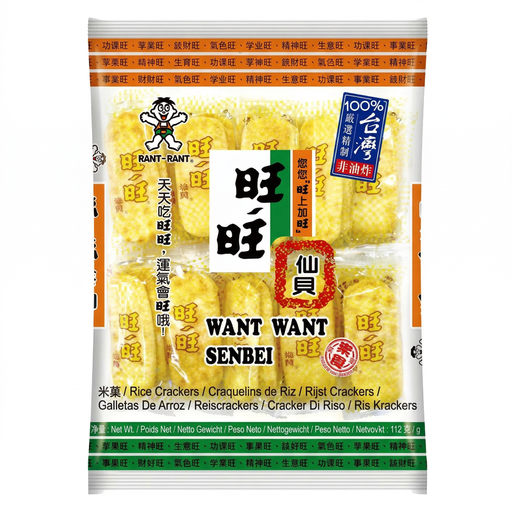
Why this fits the profile: A straightforward 112g pack to try a classic, lightly sweet-salty flavour without committing to a large quantity.
The net weight is clearly stated and the product description mentions a crispy, baked rice cracker. Do check the listed allergens: wheat and soya are present.
112g; ready to eat; 494.7 kcal and 4.0g salt per 100g according to the product information.
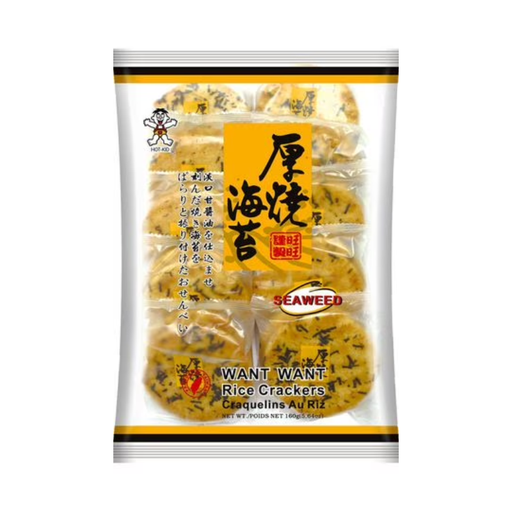
Why this fits the profile: For those who want a pronounced savoury flavour and plan to serve seaweed rice crackers with tea or at a drinks gathering.
The crackers are individually wrapped, making sharing and storage easier. The label does list fish, wheat and soya as allergens.
160g; individually wrapped; seaweed and bonito extract in the ingredients list; 2.5g salt per 100g.
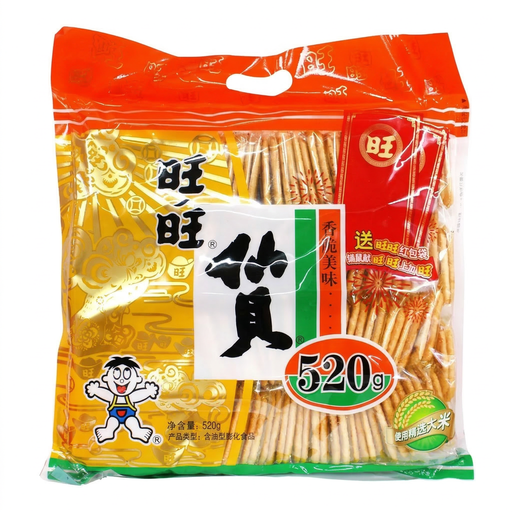
Why this fits the profile: The large pack with 88 portions is aimed at families, parties, tea gatherings or anyone who regularly serves Asian snacks.
The portioned format makes the large quantity more practical than a single loose bag. Keep the pack dry and consume opened portions in good time.
520g; 88 portions; Japanese style; ideal for sharing; contains soya and gluten from wheat.
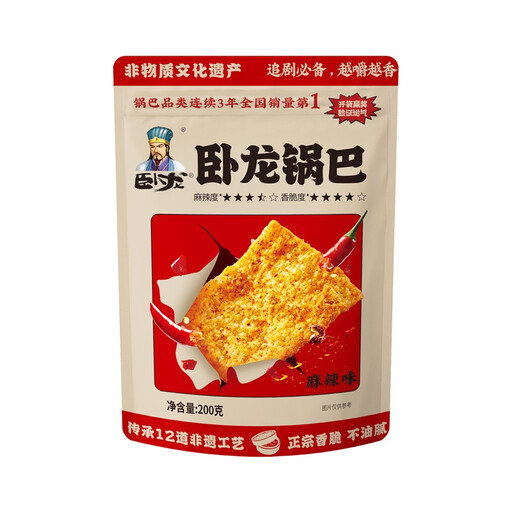
Why this fits the profile: This Chinese rice snack combines chilli and Sichuan pepper for anyone seeking a hot, tingling flavour.
The flavour profile is clearly described: chilli, garlic and Sichuan pepper. So it’s obvious this is not a neutral rice cracker.
200g; no allergens listed; 0g sugar and 1.10g salt per 100g according to the product information.
We’ve put together a full, up-to-date list of products that meet these strict selection criteria and comply with current European safety regulations.
Japanese senbei are typically savoury rice crackers, often flavoured with soy sauce, sugar or seaweed. Chinese rice snacks are more varied: alongside classic rice crackers, you’ll find versions with five-spice, Sichuan pepper, chilli, crab or sesame flavouring. The exact ingredients differ from product to product, so check the label.
Keep them cool and dry, seal the bag tightly and keep moisture away. Individually wrapped crackers are more practical if you’re using a pack slowly. If they lose their crunch, check whether the bag was properly sealed, and always follow the storage advice on the packaging.
Yes. Sweet rice crackers with honey, coconut or sugar go well with black or green tea. Savoury varieties with seaweed, sesame or five-spice offer more contrast instead. For a group, a pack with multiple portions is handy, while a bag of around 70g to 112g is good for trying a flavour first.
