
Livraison le jour même et le lendemain

Qualité garantie

Débloquez vos offres de bienvenue: Livraison GRATUITE | Jusqu'à -80 % | 30 jours d'essai gratuits à JoyPlus
Téléchargez l'application
Buying Asian rice seems straightforward until you have to choose between jasmine rice, basmati rice, sushi rice, pandan rice and different pack sizes. A bag of 1 kg, 5 kg, 10 kg, 18 kg or 20 kg can also vary considerably in ease of use and price per kilo.
As a Joybuy Product Recommendation Officer, I filter product information using verifiable points. This prevents you from relying solely on words such as “premium”, “authentic” or “aromatic” without knowing which type of rice you are actually buying.
“Jasmine rice” refers to fragrant long-grain rice, but its origin and exact description can vary. Thai jasmine rice, Thai Hom Mali, Vietnamese rice and Cambodian rice each have their own product descriptions. So always check:
Also look out for conflicting information. For example, a product title might state 18 kg, while the description gives a different weight. In such cases, check the current product page and the label.
A bulk pack of rice can lower the price per kilo, but only if you use the rice regularly. Rice absorbs moisture and odours from its surroundings if the packaging is not properly sealed. For a small household, an 18 kg or 20 kg bag of rice may therefore be less practical than several 1 kg or 5 kg bags.
Jasmine rice is generally suitable with curries, stir-fries and steamed meals. Sushi, on the other hand, calls for short-grain, sticky rice. Basmati rice usually remains fluffier after cooking, making it a better fit for biryani, pilaf and South Asian dishes. So choose the dish first, then the type of rice.
The grain largely determines how the rice feels after cooking.
Check that the product name matches the intended use. A pack labelled “sushi rice” or “Japonica” makes more sense for sushi and onigiri than ordinary jasmine rice.
Origin is a practical point of comparison, not an automatic guarantee of quality. The range includes rice from Thailand, Vietnam and Cambodia, among other countries. For example, Golden Naga Cambodian Jasmine Rice lists Cambodia as its country of origin. Hanako Short Grain Japonica Rice lists Vietnam as its origin, while its product type refers to Japanese Japonica rice.
Also look for terms such as 100% rice, 100% Thai Hom Mali or 100% parboiled basmati rice. These indicate which ingredients are mentioned in the product description. Always check the allergen information on the packaging, especially for products that may contain traces of other grains.
For home use, 1 kg, 2 kg, 4.5 kg or 5 kg bags are often manageable. Families, caterers and restaurants can consider 10 kg, 18 kg or 20 kg bags of rice.
Store Asian rice:
Follow the water ratio on the label. This can vary by type of rice. Rinsing is common for many varieties, but the correct ratio and resting time after cooking are just as important for the final texture.
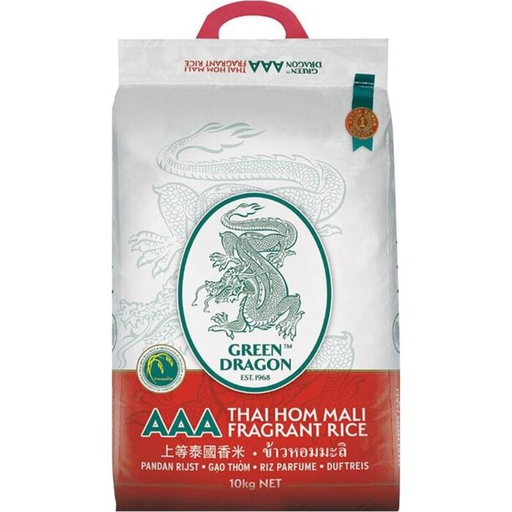
Why This Fits Their Persona: A 10 kg bag suits households that regularly cook rice, curries and stir-fries.
The product description lists fragrant Thai jasmine rice and a net weight of 10 kg. Check the current packaging for the definitive details.
Thai jasmine rice; suitable for a range of Asian dishes; storage advice is provided in the product information.
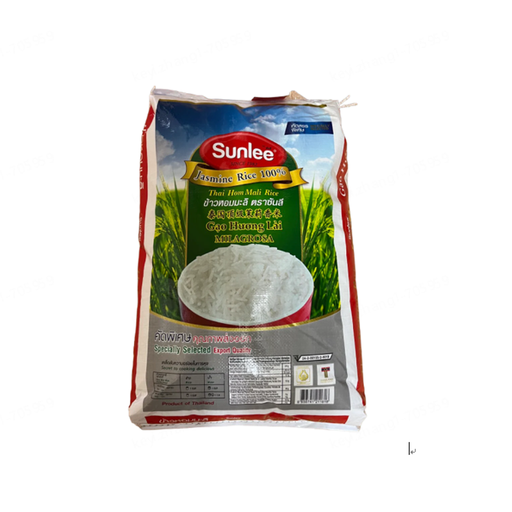
Why This Fits Their Persona: The large bag suits families and home cooks who often make steamed rice, fried rice or Thai dishes.
The product page explicitly lists 100% Thai Hom Mali Jasmine Rice and an 18 kg pack. Seal the bag airtight after opening.
18 kg bulk pack; long grain; the product description lists it for steamed and fried rice.
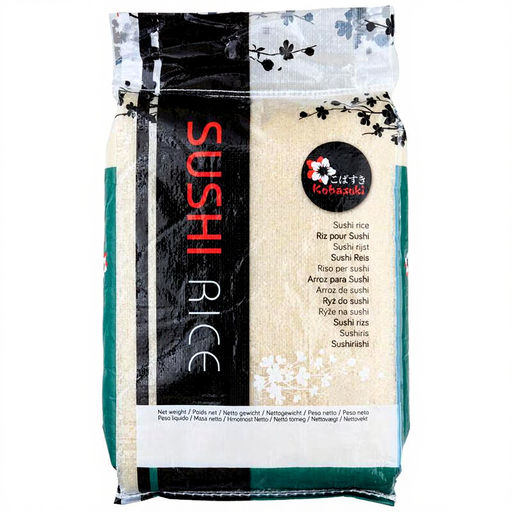
Why This Fits Their Persona: The 20 kg pack is aimed at professional kitchens and frequent preparation of sushi, nigiri and Japanese rice dishes.
The product name and description specifically mention sushi rice and a sticky texture. This makes its intended use clearer than that of general white rice.
20 kg pack; intended for sushi and nigiri; the product information mentions good stickiness.
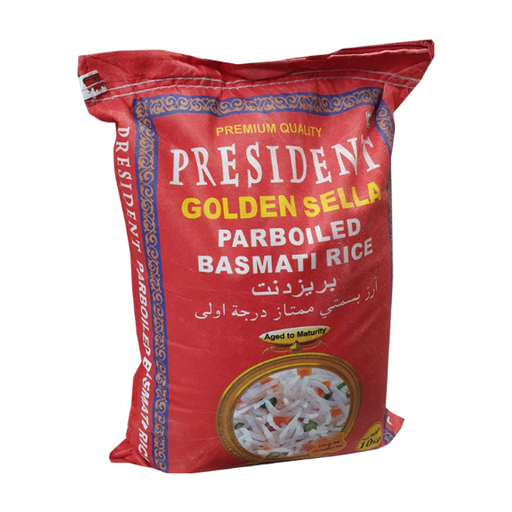
Why This Fits Their Persona: A medium-sized supply for households that use basmati rice with curry, pilaf or biryani.
The product information lists 100% parboiled basmati rice. Before buying, check that the size you want and the current weight information match the label.
Basmati for fluffier rice dishes; Golden Sella designation; 10 kg pack.
Smaller households can also choose packs such as Double Panda Vietnamese ST25 Rice 1 kg, Green Dragon Thai Hom Mali 2 kg and Hanako Short Grain Japonica Rice 1 kg. If you are looking for Japanese rice for sushi, onigiri or donburi, you can also choose Hanako in 5 kg or 10 kg packs.
Would you like to compare different types, origins and pack sizes? Browse the white rice category.
Browse the current range of white rice and compare the type, origin, pack size and intended use before ordering.
Jasmine rice, Thai jasmine rice and pandan rice go well with many Thai and Southeast Asian curries. They generally have a fragrant, soft texture. For Indian curries, you can also consider basmati rice if you prefer to serve fluffier grains.
That depends on how many people you are feeding and how often you cook rice. A 1 kg bag is practical for trying a variety first. For a family that eats rice several times a week, 5 kg or 10 kg may be more convenient. An 18 kg or 20 kg pack is mainly suited to bulk use, catering or large families with enough dry storage space.
Store the unopened bag in a cool, dry place out of direct sunlight. After opening, it is best to transfer the rice to a clean, airtight storage container. If you like, note the best-before date on the container and check the grains for moisture, odour or damage before cooking them.
