
Same-day & Next-day Delivery

Quality Guaranteed

Unlock Your Welcome Offers: FREE Delivery | Up to 80% OFF | Free 30-day JoyPlus trial
Download the APP
Buying Asian products online is convenient when you’re looking for Korean drinks, bubble tea, personal care products or everyday groceries that aren’t always available at your local supermarket. However, it can be harder to check the packaging, ingredients or actual quantity in a multipack when shopping online.
A few simple checks can help you avoid choosing a product based only on an eye-catching flavour, a large pack or a marketing claim.
With Korean soju and other Asian drinks, flavours such as peach, strawberry, green grape, lemon and plum are often highlighted. But the flavour name doesn’t automatically tell you how much fruit juice the drink contains. Always check the ingredients list and alcohol content.
For example, the product information for Jinro Chamisul Peach Soju 350 ml lists water, distilled alcohol, sugars, acidity regulators, peach and mango flavourings, and peach concentrate. The alcohol content is 13% vol. This is useful information when comparing flavoured soju.
A box of 20 or 24 cans may look like a good deal, but check the quantity in each pack and the total amount. One 350 ml bottle is quite different from a box of 20 bottles, each containing 350 ml. Also consider storage space, shelf life and how often you’ll use the product.
This applies not only to Asian drinks, but also to shampoo, mayonnaise and washing-up liquid. A low price per item is only useful if the quantity suits your needs.
Marketing copy often describes the experience a brand wants you to expect. For a practical comparison, checkable details matter more:
According to the product description for Palmolive Silky Shine Aloe Shampoo, the formula is designed for frequent use and contains aloe vera. This is the brand’s description, not a guarantee of a particular result for every user. For personal care products, always check the ingredients and any warnings on the packaging.
Don’t just look at the product name; check the net quantity too. A 350 ml bottle may suit individual use, while a multipack could make more sense for a party, household or regular consumption.
The quantity matters for bubble tea too. RICO Bubble Milk Tea Classic Original Flavor is listed as 350 ml and contains, among other ingredients, black tea extract, starch, milk powder and sugar. The product information recommends keeping the drink chilled after opening. Also check the packaging for full allergen information, especially if the online product description is limited.
For food products, use the current packaging as your reference. In particular, check for:
For example, Baskin Robbins Cotton Candy Wonderland Milky Soda lists milk and soya as allergens. According to the product information, Baskin-Robbins Strawberry & Vanilla Milky Soda contains milk. This information is more important than the flavour name alone.
Nutritional values matter for agave syrup too. According to the product information, Melvita Agave Syrup Dark is made from agave syrup and contains 71 grams of sugar per 100 grams. The description calls it a vegan, gluten-free alternative to honey or sugar. Check the packaging if you need to make a particular dietary choice.
Check the alcohol content when comparing soju, particularly if you’re looking at different flavours. According to the available product information, the Jinro peach, strawberry, plum, lemon and green grape varieties mentioned contain around 13% vol. ChumChurum Peach and Yogurt are listed at 12% vol.
Alcoholic products are for adults aged 18 and over only. Don’t drink if you’re going to drive, and follow the instructions on the packaging. Also check whether a product lists wheat or other allergens. Wheat, for example, is listed as an allergen for ChumChurum Peach and Yogurt.
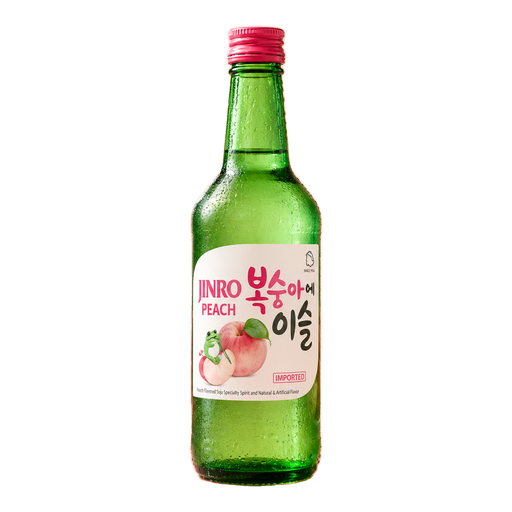
Why it suits this shopper: A 350 ml bottle is a manageable size if you want to try flavoured soju for the first time without buying a multipack. According to the product information, the drink contains 13% vol. alcohol and has white peach and mango flavour.
The quantity, flavour and alcohol content are clearly stated. This makes it easy to compare the bottle with strawberry, plum or lemon varieties without relying on the product name alone.
350 ml, 13% vol. alcohol, made in South Korea, with an ingredients list that includes peach concentrate and flavourings.
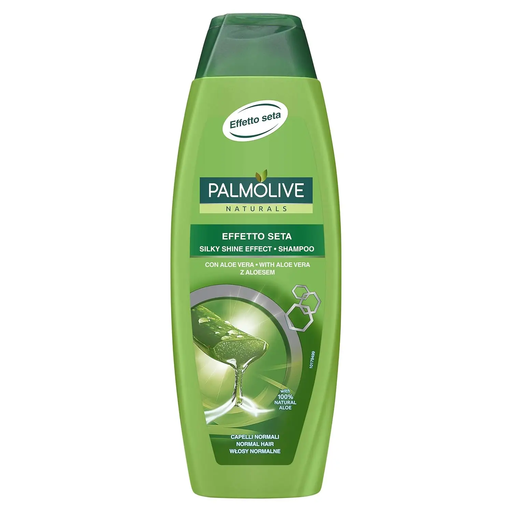
Why it suits this shopper: A good choice if you’re looking for a familiar everyday personal care product with a set quantity and clear directions for use. The product description mentions aloe vera and a formula designed for frequent use.
The bottle contains 350 ml, and the directions are simple: apply to wet hair, lather and rinse thoroughly. Check the current ingredients list before buying.
350 ml, aloe vera variety, described as suitable for frequent use, with safety advice about eye contact.
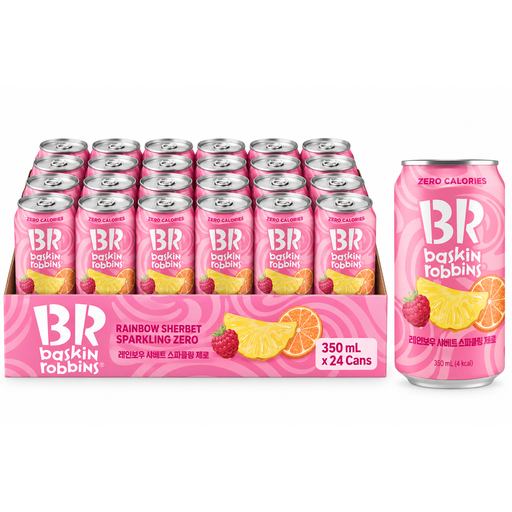
Why it suits this shopper: A multipack is a practical choice for households, gatherings or fans of Korean soft drinks who want to keep several servings on hand. The product information lists 24 cans of 350 ml each.
The total quantity and serving size are clearly stated. The product information lists 0 grams of sugar and around 1.14 kcal per 100 ml; check the label when it arrives.
24 × 350 ml, carbonated, with no sugar listed per 100 ml and sweeteners such as sucralose and acesulfame K.
We’ve put together a complete, up-to-date list of products that meet these strict selection criteria and the applicable European safety regulations.
Check the alcohol content, quantity per bottle, ingredients, allergens and storage advice. Flavoured soju doesn’t always contain much fruit juice; flavourings, sugars and acidity regulators may also be part of the ingredients. Alcohol is not suitable for under-18s.
No. The taste varies from product to product. Korean soft drinks and bubble tea often contain sugar or sweeteners, but some varieties have a low stated energy content or no sugar listed. Always check the nutritional information per 100 ml.
When buying shampoo, agave syrup, mayonnaise or washing-up liquid, compare the quantity, ingredients, allergens and usage warnings. Safety advice is particularly important for washing-up liquid: Dreft Platinum Quickwash, for example, warns that it causes eye irritation and may be harmful to aquatic life. Keep products like these out of children’s reach and follow the instructions on the label.
