
Vandaag of morgen in huis

Kwaliteit gegarandeerd

Welkomstaanbiedingen ontgrendelen: GRATIS bezorging | Tot 80% korting | Gratis 30 dagen JoyPlus-proefperiode
Download de app
Buying Asian products online might seem straightforward, but product names and marketing claims can be confusing. If you’re looking for a bottle for a Chinese dish, you’ll come across terms like Asian cooking wine, Chinese rice wine, rice vinegar and fermented rice wine. With drinks, the alcohol percentage, storage and allergens also play an important role.
The same applies to other product categories, such as Asian drinks, buying sweets online or home accessories online: look beyond the product title. The following pitfalls are common when shopping online.
Confusing cooking wine with drinking wine
A cooking wine is intended for use during preparation. A fermented rice wine or makgeolli is usually a drink. So check the usage instructions and the alcohol percentage before you order.
Relying solely on a claim like ‘natural’ or ‘no additives’
Such terms don’t always tell you enough about the product. Always check the full ingredients list. For example, Lu Hua lists rice wine, wheat, spices, salt and flavour enhancers. With Qianhe, the stated ingredients list consists of cooking wine, spring onion and ginger.
Skipping the volume, storage and allergens
A 1-litre bottle is practical for regular cooking, but less suitable if you only use the product occasionally. With makgeolli, you also need to pay attention to the alcohol percentage and ingredients such as wheat or barley. Also check whether a product needs to be refrigerated, stored in a cool, dry place, or used immediately after opening.
The ingredients list is more important than the front of the packaging. With Chinese rice wine and cooking wine, pay particular attention to:
Rice vinegar is not a substitute for cooking wine. It adds acidity to a dish, whereas cooking wine is mainly used for marinating, braising, stir-frying or preparing fish and meat. Qiao Xifu Fragrant Rice Vinegar has a volume of 1 litre and, according to the product information, is suitable for cold dishes, dipping sauce, stir-frying and marinades.
With Asian drinks, you’ll see clear differences:
According to the product description, Woorisool Rice Wine Makgeolli Peach contains 3% alcohol and wheat. The white grape variant contains 5% alcohol. WOORISOOL’s classic makgeolli contains 6% alcohol and ingredients such as glutinous rice, brown rice, barley and wheat flour. Alcoholic products are intended exclusively for adults aged 18 and over. Drink responsibly and always follow the information on the label.
Choose the volume based on how you’ll use it:
Also pay attention to storage. Many products should be kept in a cool, dry place, away from direct sunlight. With makgeolli, it’s important to keep the bottle sealed and avoid temperature fluctuations. Check the shelf life information on the packaging with every order.
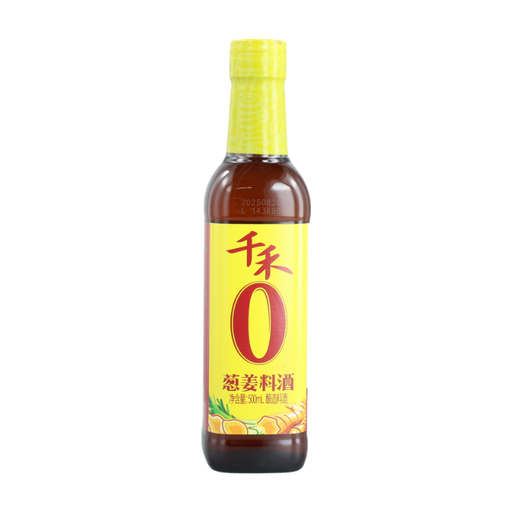
Why this fits the profile: The 500 ml volume is manageable for anyone trying Asian cooking wine for the first time. The stated ingredients are cooking wine, spring onion and ginger.
The product information clearly states that it is a cooking product and indicates its use for marinating and preparation.
500 ml volume; combination of cooking wine, spring onion and ginger; suitable for meat, poultry and seafood.
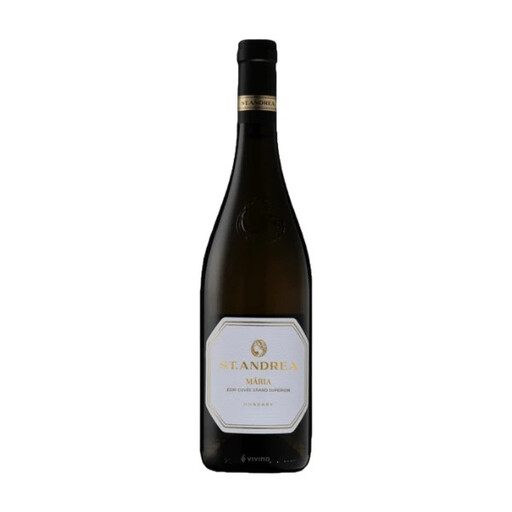
Why this fits the profile: This Hungarian white wine is intended for drinking with a meal and has a volume of 750 ml and 13.5% alcohol.
The product page states the country of origin, region, volume, alcohol percentage and sulphites, so you can compare the bottle with confidence.
750 ml volume; 13.5% alcohol; storage advice for a cool, dark place.
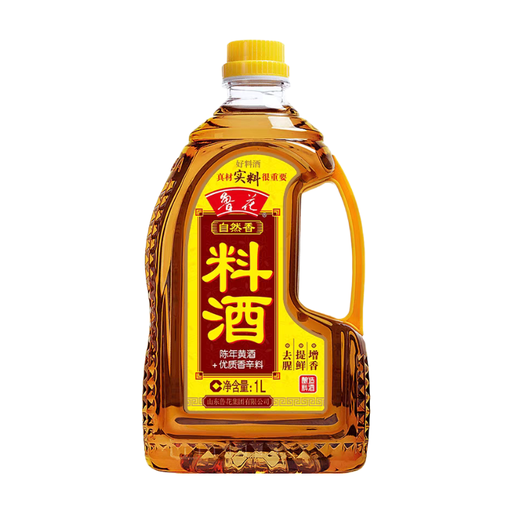
Why this fits the profile: The 1-litre bottle is practical for anyone who cooks Chinese food often and uses cooking wine for marinating, braising and stir-frying.
The product information explicitly states that the product is for culinary use only and contains alcohol.
1 litre volume; suitable for multiple cooking methods; contains wheat so allergens should be checked.
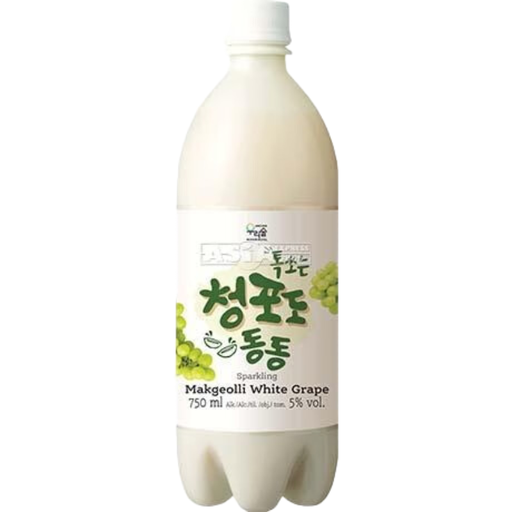
Why this fits the profile: This Korean makgeolli combines rice wine with white grape and, according to the product description, is intended to be served chilled.
The alcohol percentage of 5% and the ingredients including rice, nuruk and white grape are stated, so you don’t have to rely solely on the flavour name.
5% alcohol; white grape flavour; storage advice and warning not to use a damaged seal.
We’ve put together a full, up-to-date list of products that fully meet these strict selection criteria and comply with current European safety regulations.
First, check whether the product is intended for cooking or drinking. Then look at the ingredients, the alcohol content, the volume, allergens and the storage advice. A Chinese rice wine with salt or flavourings can be used differently from a neutral fermented rice wine.
No. Makgeolli is a Korean fermented rice drink. Chinese rice wine is a broader product category that can include both cooking wine and drinking wine. So pay attention to the country of origin, the production method, the alcohol percentage and the usage instructions.
This varies by product. Store bottles according to the label, usually in a cool, dry place, tightly sealed and away from direct sunlight. After opening, check the shelf life information and use a cooking product in good time. This also applies when you’re buying wine online, buying sweets online or combining other Asian products in one order.
