
Vandaag of morgen in huis

Kwaliteit gegarandeerd

Welkomstaanbiedingen ontgrendelen: GRATIS bezorging | Tot 80% korting | Gratis 30 dagen JoyPlus-proefperiode
Download de app
Buying Asian noodles seems easy until you have to choose between Chinese noodles, Korean noodles, Japanese ramen, rice noodles and instant noodles. Attractive packaging tells you little about preparation, portion size or whether they are suitable for your dish. If you only pay attention to the flavour name or discount, you could end up with noodles that turn soft too quickly, contain an overly salty seasoning mix or simply do not work with the meal you have planned.
1. Misjudging the preparation time
Not every noodle is ready in five minutes. Dried noodles often need to be cooked in plenty of boiling water and then rinsed. Rice noodles and glass noodles sometimes need to be soaked first. Always check the instructions. A short preparation time usually applies to instant noodles, not necessarily to dried noodles for stir-fries.
2. Confusing a flavour name with the actual ingredients
“Spicy beef” or “seafood” describes a flavour profile, but does not mean that the product contains a large amount of that ingredient. For example, Bai Xiang Classic Spicy Beef Flavor lists 5% beef in the product specifications. Also check the ingredients list and nutritional information, particularly if you are monitoring salt, fat or allergens.
3. Buying a large pack without working out how much you will use
A 1.8 or 2 kilogram bag can be practical for families, meal prep or catering, but less suitable if you only eat noodles occasionally. Once opened, dried noodles should be stored in a tightly sealed container, somewhere cool and dry. So do not just calculate the price per pack: also consider the price per portion and how long they will keep after opening.
Wheat noodles generally contain gluten. This applies, for example, to Shanxi knife-cut noodles, Baixiang Longxu Noodles and WANG Jjajangmyeon Noodles. Rice noodles can be an alternative, but always check the label: some varieties contain tapioca or other starches as well as rice.
Also look out for soya, sesame, egg, peanuts, crustaceans and celery. Nongshim products and seasoned instant noodles may contain several allergens. Online information may differ from the packaging, so check the current ingredients list and allergen information on the product before use.
A multipack is practical for students, offices or families. Indomie Mi Goreng, for example, comes as 5 packs of 80 grams, while Nongshim Shin Ramyun Toomba is a box containing 20 portions of 137 grams. For regular use, a large pack of dried noodles may offer better value, such as:
Compare the nutritional values per 100 grams. With instant noodles, the energy, fat and salt values may be higher than with plain dried wheat or rice noodles because seasoned oil and soup base are included.
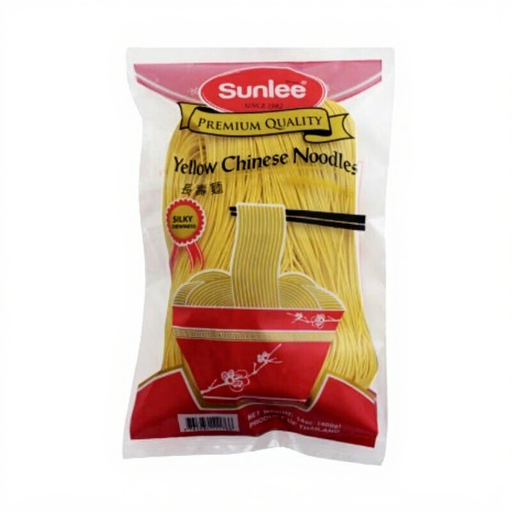
Why it suits this profile: A manageable pack for anyone who wants to make simple noodle soup or stir-fries at home without immediately buying a large stock.
The product description clearly states a preparation time of 2 to 4 minutes and recommends rinsing the noodles before stir-frying.
400 grams, with ingredients based on wheat flour, water, salt and turmeric; suitable for soup and stir-fries.
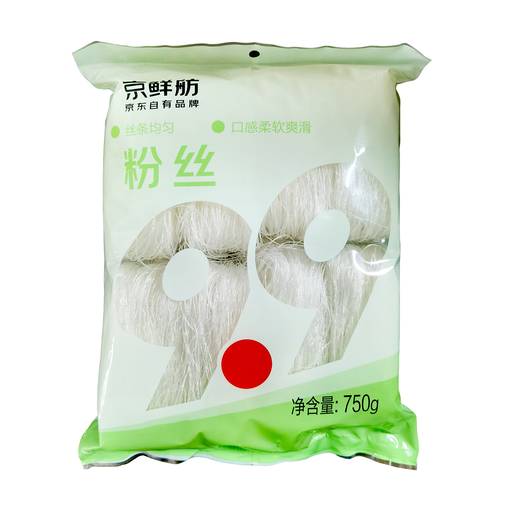
Why it suits this profile: Ideal for anyone who values texture and versatility and wants to use the same noodles in soup, salad, spring rolls and stir-fries.
The ingredients are clearly specified: 97% wheat starch and 3% pea starch. This gives you a clear idea of the texture to expect.
750 grams, quick to prepare after soaking and a very low stated salt content of 0.03 grams per 100 grams.
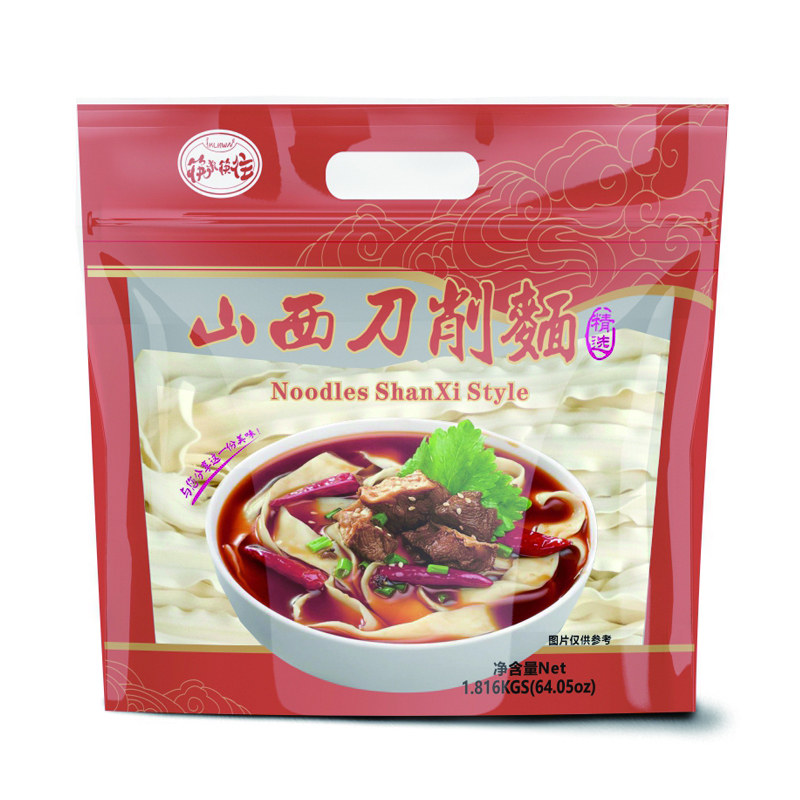
Why it suits this profile: The 1.816 kg pack is designed for frequent cooking, large households, meal prep or professional use.
The dimensions are specified: approximately 20 cm long, 0.5 cm wide and 0.9 cm thick. This helps you choose a substantial noodle for broth or stir-fries.
Five minutes’ cooking time according to the instructions; ingredients list featuring wheat flour, salt and water.
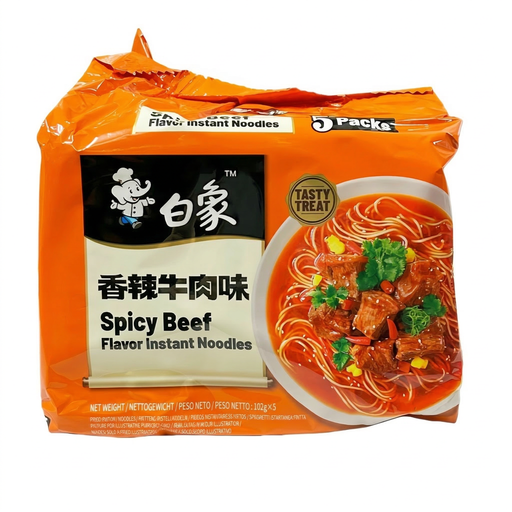
Why it suits this profile: A 5-pack with individual portions for students, offices and households looking for an occasional quick meal.
The preparation method is clearly explained: pour over boiling water and leave to stand for 4 to 5 minutes. However, do check the stated allergens and the salt content of 4 grams per 100 grams.
Five 102-gram portions, non-fried noodles according to the product description and preparation without a pan.
We have put together a complete, up-to-date list of products that fully meet these strict selection criteria and the applicable European safety regulations.
Yellow Chinese noodles, wide wheat noodles and some rice noodles are suitable for stir-fries. Cook or soak them according to the instructions on the packaging and rinse them if necessary. This helps them stay separate while being quickly stir-fried. Add the sauce in the wok only once you are ready, so the noodles do not sit in liquid for longer than necessary.
It depends on the portion size and packaging. Instant noodles are often inexpensive per meal and save time, but they usually contain a seasoning mix with relatively high levels of salt. A large bag of dried noodles may offer a lower price per portion if you cook regularly. Compare the net weight, number of portions and nutritional values.
Store them somewhere cool and dry, preferably in a tightly sealed container or bag. Keep them away from moisture, heat and direct sunlight. Check the best-before date before cooking and do not use damaged packaging. For allergen information and preparation advice, always follow the details on the current product packaging.
