
Vandaag of morgen in huis

Kwaliteit gegarandeerd

Welkomstaanbiedingen ontgrendelen: GRATIS bezorging | Tot 80% korting | Gratis 30 dagen JoyPlus-proefperiode
Download de app
Buying Asian noodles seems simple, until you are faced with a shelf or online range featuring dozens of varieties. Instant noodles, rice noodles, udon noodles and ramen noodles differ in more than just flavour. Preparation time, portion size, storage requirements and allergens can also vary considerably.
Most disappointing purchases usually come down to three common pitfalls:
The type of noodle largely determines the texture of your dish.
If you want to cook quickly, instant noodles are often the easiest choice. If you want more control over the flavour and toppings, you can customise a neutral base such as udon or colourful vegetable noodles with vegetables, tofu, egg or a homemade sauce.
Do not just check the front of the pack. Wheat, soya, peanuts, sesame, shellfish, fish and sulphites are regularly found in Asian meals and seasoning packs.
Hao Huan Luo Luosifen with its extra aromatic and spicy flavour lists peanuts, soya beans and sulphites among its allergens. The river snail flavour also contains shellfish. According to the product information, the mala hotpot variety contains snail, soya, peanuts, sesame and wheat, among other ingredients.
For vegetarians and vegans, a clear ingredients list is more important than a claim displayed only on the front. According to the product description, 7FRESH Private Chef’s Vegetarian Monk’s Noodles are made without egg, milk or meat, but do contain wheat, soya and sesame. Check the current packaging with every purchase, as product compositions can change.
Compare products by net quantity and portion size. Hao Huan Luo Luosifen’s 375-gram pack consists of 100 grams of dried rice noodles and 275 grams of seasoning and topping sachets. This is not the same as 375 grams of dried noodles.
The salt content also deserves attention. The extra-spicy 375-gram variety lists 3.47 grams of salt per 100 grams. The tomato flavour lists 6.6 grams of salt per stated 220-gram portion. These figures help you compare products objectively, rather than relying on terms such as “rich”, “traditional” or “restaurant-style”.
Check whether the product needs to be boiled, soaked, reheated or prepared directly from the packaging.
A small saucepan can be useful for single portions, but always check that the pan is suitable for your hob. The available PURECOOK 304 stainless steel 2.8-litre pan is described as suitable for gas, induction and ceramic hobs. This is a product feature; for safe use, follow the manufacturer’s instructions.
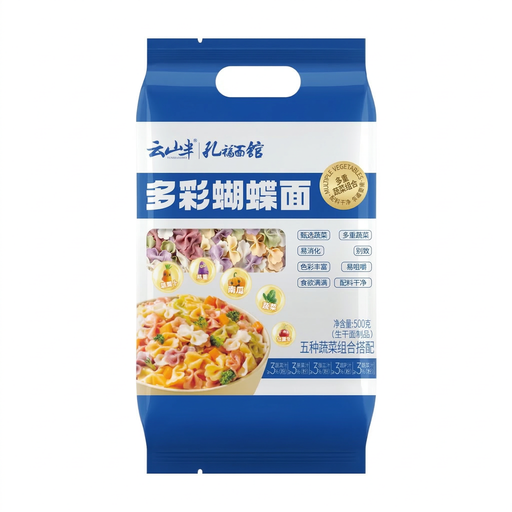
Why it suits this profile: These dried Chinese noodles are versatile and suitable for soup, stir-fries, salads and cold dishes. According to the product information, the cooking time is around 2 to 6 minutes.
The packaging lists wheat as an allergen and provides a specific cooking time. This means you can check in advance whether it suits your household and schedule.
500-gram pack, natural vegetable juices according to the product description, and several preparation options.
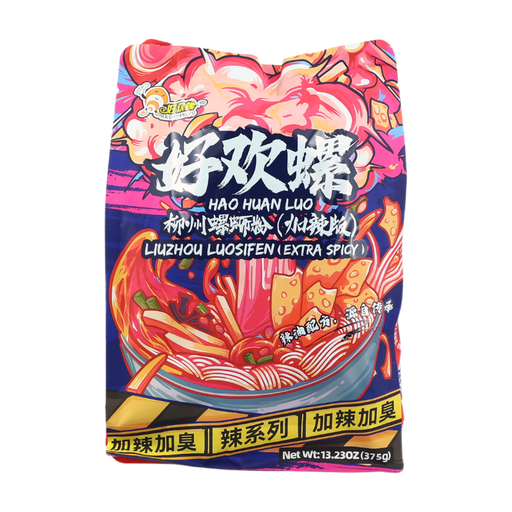
Why it suits this profile: If you are looking for a distinctive regional meal, you get rice noodles with eight separate sachets containing broth, pickled bamboo shoots, peanuts and fried tofu.
The quantity and contents of the sachets are clearly described. You can adjust the chilli oil, vinegar and toppings to your taste.
375 grams total weight, eight separate components and clear allergen information for peanuts, soya and sulphites.
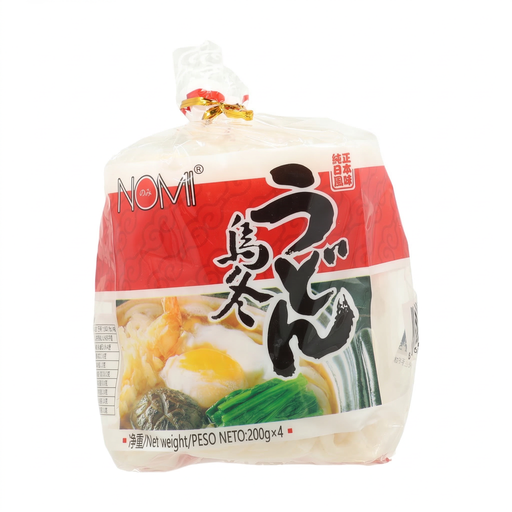
Why it suits this profile: Four individual portions are practical for families or home cooks who regularly prepare udon, soup, stir-fries or hotpot.
The portions are clearly divided in advance. You do not need to open a large pack each time and estimate how much product is left.
Four 200-gram portions, a smooth and firm texture according to the product description, and a short ingredients list.
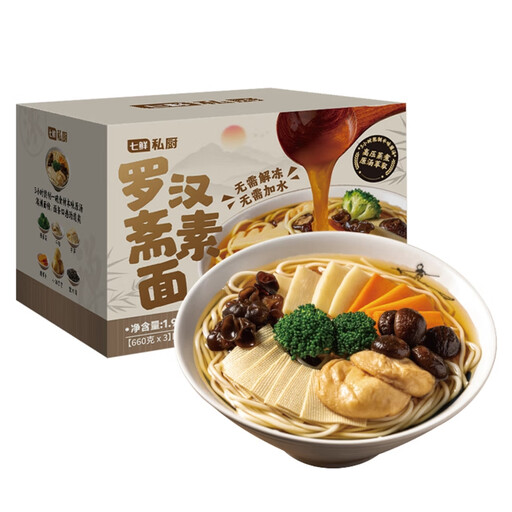
Why it suits this profile: The frozen pack contains three 660-gram sections and combines noodles with mushrooms, winter bamboo, carrot, broccoli and tofu skin.
The product description states that it contains no egg, milk or meat. At the same time, wheat, soya and sesame are listed as allergens, allowing you to check the product carefully.
Large multipack, three portionable sections and storage at -18 °C or below.
We have compiled a complete, up-to-date list of products that fully meet these strict selection criteria and the applicable European safety regulations.
Instant noodles and yakisoba are practical when you have little time for preparation. For a meal with more toppings, you can choose luosifen noodles or ramen with separate seasoning sachets. Always check the stated cooking or reheating time and follow the preparation instructions.
Dried rice noodles, ramen and Chinese noodles should generally be stored in a cool, dry place away from direct sunlight. Fresh or frozen udon, dao xiao noodles, kimbap and vegetarian meals belong in the fridge or freezer according to the label. Do not refreeze a product after it has thawed.
It varies by product. Some varieties contain only wheat, water and salt, while seasoning mixes may contain fish, meat, shellfish, soya or milk. A product with “animal-free” in its name may be a useful indication, but always check the full ingredients list and allergen information on the packaging.
