
当日/次日达

品质保障

开启新人专享福利: 全场免邮 | 低至 2 折 | 免费试用 30 天 JoyPlus 会员
下载 Joybuy
Buying Asian noodles may seem simple, but the range varies considerably in shape, preparation time, packaging and flavour. A packet of noodles that works well in a wok may not be suitable for a clear soup. A large pack may also be less economical if you only use noodles occasionally.
When comparing products, therefore, don’t focus solely on the name or an appealing product photo. Pay particular attention to the ingredients, serving size, cooking time, allergens and storage instructions. This will help you avoid paying for a product that doesn’t suit your cooking routine.
Instant noodles are quick to prepare, but that doesn’t mean every variety can be eaten straight away. Some products need to be boiled, while others only need reheating. Always check the instructions for use. For example, Nature’s Best Harvest Udon Instant Noodles need to be boiled for around five minutes and heated thoroughly before serving.
A large pack of noodles can be useful for families, meal preppers or catering businesses. For a one-person household, a 1 or 1.8 kg bag may be impractical. Once opened, the packaging must be sealed properly and stored in a dry place. Work out the price per 100 grams or per serving rather than looking only at the total price.
Udon noodles are generally thick and firm, while thin Chinese noodles absorb sauce more quickly. Hand-cut noodles often have a wider, uneven shape and a firmer bite. The terms “Japanese noodles”, “Chinese noodles” and “Korean noodles” also don’t always indicate what the product is best suited for. Check the shape and preparation method on the label.
Choose your noodles based on the dish:
Cooking time determines how much preparation is required. According to the product information, Sunlee Yellow Chinese Noodles should be boiled for around 2 to 4 minutes and then rinsed. Bai Xiang Knife-shaved Noodles take approximately 5 to 7 minutes. JINBAIWEI Udon Noodles can be reheated in the microwave: one minute at 700–800 watts, with a tablespoon of water and a covered, microwave-safe bowl.
Use the stated time as a starting point and adjust it to achieve your preferred firmness. Raw flour or uncooked dough must not be eaten; always cook products that require it thoroughly.
Many wheat noodles contain wheat flour and gluten. Some varieties also contain soya, sesame, egg, fish, crustaceans or peanuts. According to the product information, NongShim Chapaghetti contains wheat, soya, egg, prawns and sesame, among other ingredients. Prima Taste Laksa La Mian contains gluten, wheat and crustaceans, among other ingredients.
Check the current packaging before buying, especially if you have allergies or intolerances. Information on a website may differ from the packaging. Also pay attention to salt: nutritional values vary considerably between products, particularly with instant noodles that include sauce or stock.
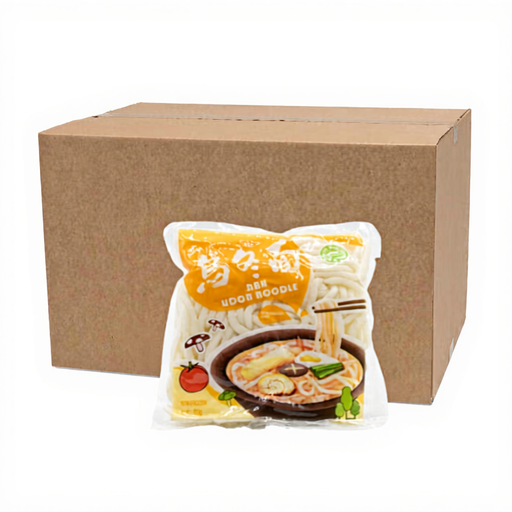
Why it suits this profile: Thirty individual 200-gram portions are practical for students, families and anyone who wants to cook a quick meal regularly. The noodles can be boiled, stir-fried or added to hotpot.
The packaging clearly states a preparation time of around five minutes. This means you know in advance that “instant” still means heating the noodles.
Individual 200 g portions; suitable for boiling, stir-frying, mixing and hotpot.
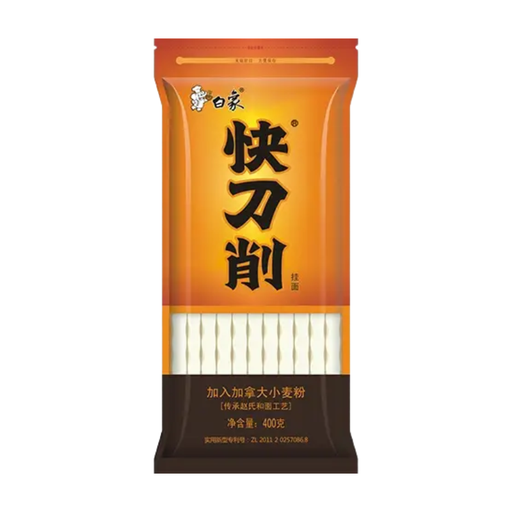
Why it suits this profile: The 8 mm wide, knife-cut shape offers a different eating experience from thin noodles. A great choice for anyone who enjoys firm textures and Chinese noodle dishes.
The shape and cooking time are clearly specified: boil for 5 to 7 minutes. This means you can choose based on texture rather than relying solely on a general description such as “authentic”.
8 mm wide, knife-cut noodles; suitable for soup, sauces and stir-fries.
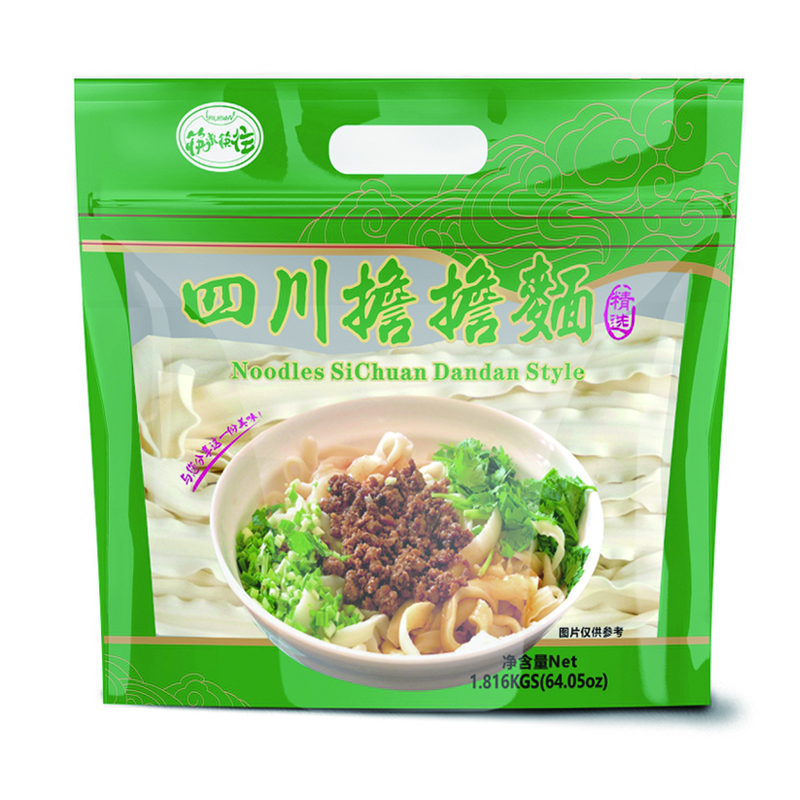
Why it suits this profile: The bulk pack is well suited to catering professionals, large households and home cooks who regularly prepare Sichuan noodles, soup, cold noodles or hotpot.
The packaging states the net weight, length and diameter. This helps you estimate in advance how many portions you’ll get and how the thin noodles will behave in sauce.
1,816 kg contents; cooking time of approximately five minutes; suitable for soup, wok dishes, cold preparations and hotpot.
We’ve put together a complete, up-to-date list of products that fully meet these strict selection criteria and the applicable European safety regulations.
Udon noodles, Lanzhou noodles and some hand-cut Chinese noodles are suitable for soup. Their thicker or firmer texture holds up better in broth. Add dried noodles according to the stated cooking time so that they don’t become too soft.
No. “Instant” refers to a quick preparation method, but some varieties still need to be boiled for a few minutes. Other noodles have already been partially prepared and only need reheating. Always check the instructions on the packaging.
That depends on how often you use them. A 1.8 kg pack can be practical if you cook frequently or prepare meals for several people. If you only use noodles occasionally, smaller portions are often easier to store and plan. Calculate the price per 100 grams and take the best-before date after opening into account.
