
Vandaag of morgen in huis

Kwaliteit gegarandeerd

Welkomstaanbiedingen ontgrendelen: GRATIS bezorging | Tot 80% korting | Gratis 30 dagen JoyPlus-proefperiode
Download de app
Buying Asian noodles seems simple, until you’re faced with a shelf or online range containing dozens of varieties. A thin noodle for pho behaves differently from a wide rice noodle for a stir-fry. Korean rice cakes, glass noodles and shirataki noodles also each need a different preparation method.
The main pitfalls usually aren’t on the packaging, but in choosing the wrong type for your dish.
Terms such as rice noodles, rice vermicelli and Korean noodles aren’t always used in the same way. So check the thickness, shape and ingredients. A 1 mm noodle is suitable for light soups and pho-style dishes, while a 5 mm or 10 mm variety adds more bite and substance to a stir-fry.
Some noodles need soaking, while others need boiling. Soaking thin Vietnamese rice noodles for too long can make them soggy. If you don’t cook thicker noodles for long enough, they can stay hard. Follow the instructions on the packaging, and allow for extra cooking if you’re adding the noodles to a wok or hot broth afterwards.
Rice noodles are often made from rice flour and sold as gluten-free, but always check the current ingredients list and allergen information on the packaging. Korean noodles made with wheat or buckwheat may contain gluten. Buckwheat doesn’t automatically mean gluten-free either: according to its product information, Ottogi Buckwheat Noodles contains wheat flour and gluten, among other ingredients.
Shirataki or konjac noodles have a different composition. City Aroma Shirataki Broad Noodles lists water and konjac powder as ingredients and provides nutrition information of 9 kcal and 1.5 grams of carbohydrates per 100 grams. Treat these figures as product information, not as a general nutritional claim for all konjac products.
Use this guide as a practical starting point:
Don’t just look at the front of the packaging. Check the percentages of rice, tapioca, sweet potato starch or buckwheat. Also check whether wheat, soya or egg is present, or listed as a possible trace. According to the available product information, products such as Bamboo Tree Rice Noodles are made from rice, tapioca and water and contain none of the 14 major EU allergens. Check the label again every time you buy, as ingredients and packaging information can change.
A 300 to 500 gram pack is usually suitable for household use. For a family or regular cooking, 600 grams to 1 kilogram may be more practical. Catering professionals and bulk buyers can choose a box containing several packs, such as Farmer Brand Rice Stick Noodles 1 mm with 34 bags of 400 grams. That doesn’t automatically lower the overall cost: also consider storage space, shelf life and how much you’ll actually use.
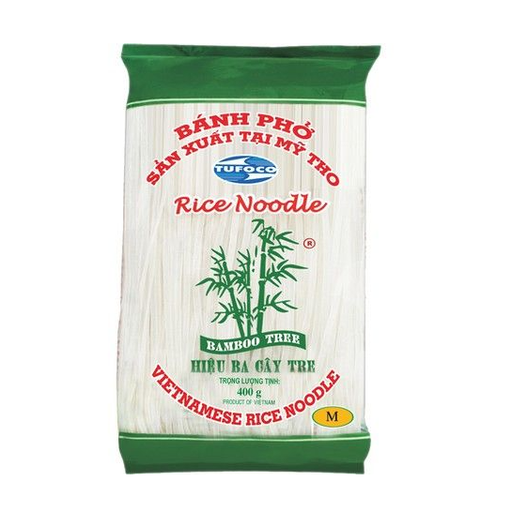
Why it suits this profile: The medium thickness makes these an easy choice for stir-fries, soups and noodle bowls. The 400-gram pack is practical for home use.
The stated thickness of 3 mm makes it less likely that you’ll choose a noodle that’s too fine for a stir-fry. Check the preparation instructions on the packaging.
According to the product information, the noodles contain 72% Vietnamese rice, come in a 400-gram pack and list rice, tapioca and water as ingredients.
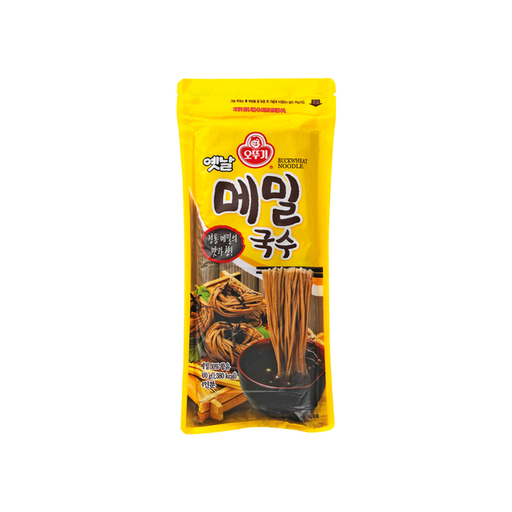
Why it suits this profile: These Korean noodles are for anyone who pays attention to ingredients and texture, and deliberately chooses noodles made with buckwheat.
The ingredients list makes clear that this isn’t a gluten-free option: it includes wheat flour and gluten. This helps you avoid buying the wrong product.
The pack contains 400 grams and lists 30% buckwheat flour. The product description notes a smooth, firm texture.
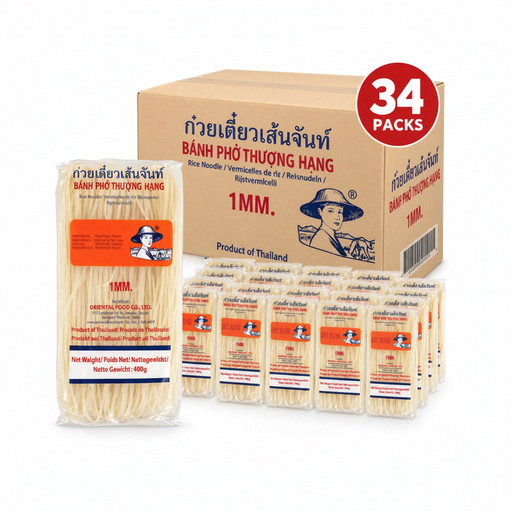
Why it suits this profile: This bulk pack is aimed at caterers, food service businesses, retailers or households that regularly make pho, salads and rice noodle dishes.
The 1 mm specification makes the intended use clear. That means you’ll get a fine noodle for pho-style soup and salads, rather than accidentally buying a wide noodle for stir-fries.
The box contains 34 packs of 400 grams. According to the product information, the product is made from rice flour.
We’ve put together a complete, up-to-date list of products that meet these strict selection criteria and the applicable European safety regulations.
For tteokbokki, you’ll usually need long rice cakes, while thinly sliced rice cakes are intended for tteokguk. According to the product information, A+ Chopped Rice Cake (Teokboki) contains 98.9% rice and comes in a 500-gram pack. HYHS Ricecake For Tteokguk 500g is sliced for rice cake soup. At 600 grams, Matamum Korean Rice Cake Sticks is a good option for larger portions.
Check the storage instructions and inspect the packaging before use. The shelf-life and preparation instructions on the product packaging take precedence over general online information.
As a rule, choose fine Vietnamese rice noodles or rice vermicelli about 1 mm thick. They cook quickly and work well in a clear broth. Bamboo Tree Rice Noodles 1 mm and Farmer Brand Rice Stick Noodles 1 mm are examples in this size. Always check the preparation instructions.
No. Many rice noodles are made from rice flour and water, but some contain tapioca or other ingredients. Manufacturing processes and allergen information can also vary. So check the ingredients list and allergen information on the packaging before buying.
Store dried noodles in a cool, dry place in a sealed container, away from moisture and direct sunlight. Reseal an opened pack securely and follow the shelf-life information on the label. Fresh or moist products, such as some Korean rice cakes, may need to be stored differently.
