
Livraison le jour même et le lendemain

Qualité garantie

Débloquez vos offres de bienvenue: Livraison GRATUITE | Jusqu'à -80 % | 30 jours d'essai gratuits à JoyPlus
Téléchargez l'application
Asian noodles come in many shapes, textures and pack sizes. From Korean noodles with spicy sauce to Chinese noodles for Dan Dan noodles and Japanese instant noodles for a quick lunch, the right choice really depends on your dish, cooking time and the quantity you need.
Marketing copy often focuses on flavour or origin, while important practical details can be less obvious. So start by watching out for the following pitfalls.
“Spicy”, “ramen” or “Sichuan” doesn’t always tell you much about the noodle itself. One product might contain a mild noodle with a strong sauce, while another has a firm noodle with a separate seasoning sachet. So check whether you’re looking at dry noodles, instant noodles or a complete pot with broth and toppings.
A 2 kg pack might look like good value, but it’s really only practical if you cook noodles regularly. For a one-off dish, single-serving packs or cups are more convenient. Also pay attention to the difference between the weight of the dry noodles and the weight including sauce, oil or toppings.
Wheat noodles usually contain gluten. Soy sauce, sesame, peanut, fish and milk can also appear in seasoning or sauce sachets. A product description is useful as a first check, but the packaging and label are what you should rely on. Always check that information before use, especially if you have allergies.
The base determines how a dish turns out:
Don’t just look at “ready in minutes”. Some instant noodles are prepared directly with hot water, while others need to be boiled first and then rinsed. Paldo Bibimmen and Paldo Volcano Chicken, for example, advise boiling the noodles for a few minutes, rinsing them in cold water and then mixing with the sauce.
For Wang glass noodles, the instructions state a soaking time of 20 minutes followed by 6 to 7 minutes of boiling. Chunsi Chongqing Noodles require around 3 to 5 minutes of boiling for an al dente texture, according to the product information. Getting the preparation right prevents limp noodles or a sauce that becomes too watery.
Compare the ingredients list and nutritional values per 100 grams. Instant varieties often contain a sauce or seasoning mix that is relatively high in salt. For example, the product information for NISSIN Instant Soba Noodles Cup Chilli states 4.1 grams of salt per 92 g cup. That makes it handy as a quick meal, but less suitable if you want complete control over the salt content.
For families, cooking enthusiasts and catering use, bulk packs are worth considering. Chunsi Sichuan Dan Dan Noodles and Chunsi Chongqing Noodles are available in 2 kg packs. After opening, check the storage instructions and seal the pack well to prevent moisture absorption.
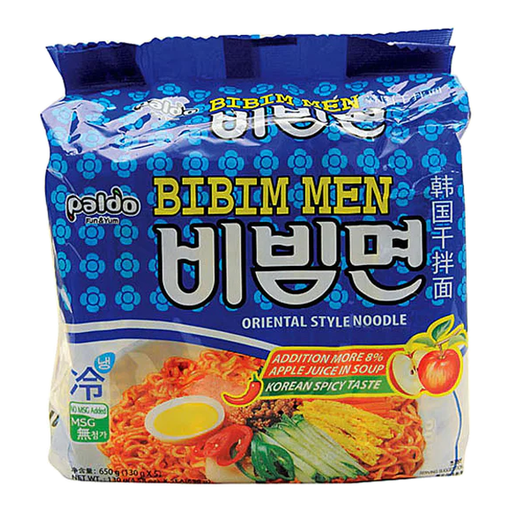
Why this fits the profile: Five individual portions are easy to manage if you want to try Korean noodles without committing to a bulk pack straight away. The sweet and spicy sauce is mixed through the noodles after cooking.
The cooking instructions clearly describe boiling, rinsing and mixing. Check the current label for allergens and warnings.
Five 130 g portions; quick to prepare; sauce and noodles are designed to work together.
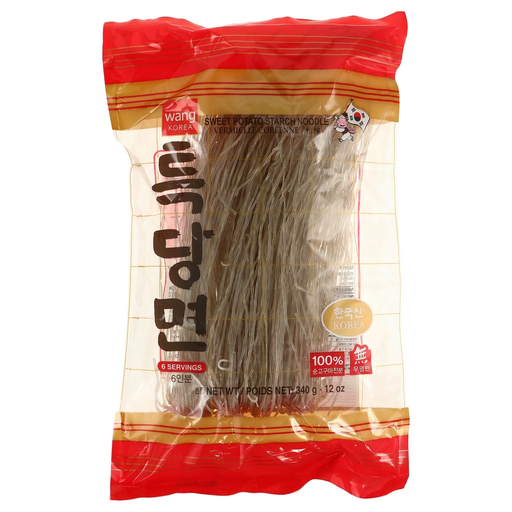
Why this fits the profile: These glass noodles are a versatile base for japchae, stir-fries, soup and salad. Their neutral flavour lets sauces and broths shine through.
The product information lists both the ingredients and the preparation steps, including soaking and boiling. That helps with planning your cooking time.
340 g; 99.9% sweet potato starch according to the product description; suitable for multiple preparations.
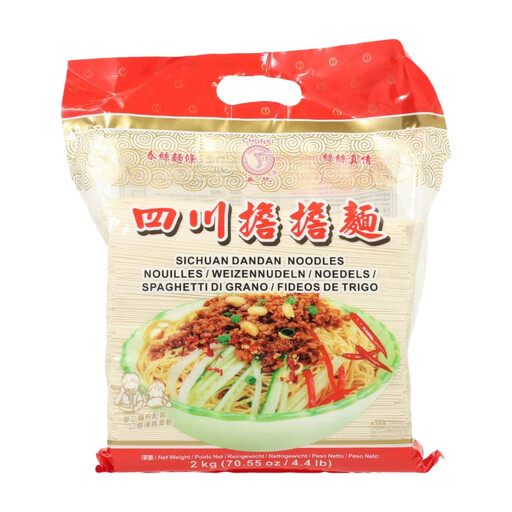
Why this fits the profile: The large pack is designed for anyone who regularly makes Chinese noodles, Dan Dan noodles or stir-fries. These wheat noodles are made to hold sauce well.
The packaging lists wheat flour, water and salt, and states that gluten is present. That makes the choice clearer for anyone who needs to avoid allergens.
2 kg content; firm texture according to the product description; suitable for Dan Dan sauce, meat, peanuts and spring onion.
We’ve put together a full, up-to-date list of products that meet these strict selection criteria and comply with current European safety regulations.
For a quick meal, instant ramen, Japanese soba cups and Korean bibim noodles are practical. A cup like NISSIN Instant Noodles Cup 5 Spices Beef 64g only needs hot water. Do check the allergens though: the product information lists wheat, soya and milk among others.
For a dish with a distinct regional style, Sichuan noodles, Chongqing noodles or Wuhan hot dry noodles are logical choices. The products from Chunsi, Wheatsun and Jingxing are specifically offered for these uses. Add your own sesame paste, soy sauce, chilli oil, spring onion or vegetables to better tailor the flavour and quantity.
If you’re after a neutral base, rice noodles or glass noodles are a good option. For a spicy bowl with ready-to-use toppings, A’KUAN Rice Noodle Fresh Chili Flavour is one choice; the pack contains several flavour components, including chilli, mushroom, bamboo shoot, peanut and spring onion. Check the allergen information extra carefully here.
Start with a product that has clear portions and simple preparation steps, such as Paldo Bibimmen or an instant ramen cup. That way you can try different flavours without buying a bulk pack straight away.
Store unopened packs in a cool, dry place, out of direct sunlight and away from heat and moisture. Seal an opened bulk pack well. Always follow the best-before date and storage information on the label.
No. Many Chinese, Korean and Japanese noodles are made from wheat flour and contain gluten. Glass noodles made from sweet potato starch or some rice noodles can be an alternative, but always check the full ingredients list and possible cross-contamination on the packaging.
