
当日/次日达

品质保障

开启新人专享福利: 全场免邮 | 低至 2 折 | 免费试用 30 天 JoyPlus 会员
下载 Joybuy
Buying Asian noodles seems straightforward – until you’re faced with a shelf or online catalogue packed with dozens of varieties. Chinese noodles, rice noodles, udon noodles and glass noodles differ significantly in ingredients, preparation and texture. The wrong choice can leave you with soggy noodles in your wok, an overly salty instant soup, or a pack that simply doesn’t suit how you cook.
As a Joybuy Product Recommendation Officer, I filter product information down to the practical details. Below, you’ll find what to look out for, which noodles match your cooking style, and which products suit different situations.
Not every noodle goes straight into boiling water. Some rice noodles and Vietnamese pho noodles need to soak for 10 to 20 minutes first. Fresh noodles often need just 1 to 2 minutes. If you cook a soaking noodle like an instant noodle, you’ll quickly end up with a soft or brittle texture.
A wide rice noodle for pho behaves very differently from a thin rice vermicelli for spring rolls or salads. Similarly, udon noodles, because of their thickness, are best suited to broth, stir-fries and hotpot. So don’t just check the country reference on the packet – also look at the diameter, ingredients and cooking instructions.
Wheat noodles generally contain gluten. With instant noodles, allergens are often found in the seasoning sachets too – for example, soya, sesame or wheat in soy sauce. A product with a distinctive flavour can also be relatively high in salt. Lamianfan Spicy and Sour Beef Noodles, for instance, lists 6.4 g of salt per 100 g. Always read the label and check the packaging if you have allergies or intolerances.
Always check the full ingredients list. A product description on a web shop may be more concise than the actual label.
Dried noodles are handy for storecupboards and usually have a long shelf life. Think of Farmer Brand Rice Stick Noodle 3 mm, VIFON Bánh Phở or Golden Lion Rice Vermicelli.
Fresh noodles such as Golden Lion Fresh Nama Udon are often packed in individual portions. They’re practical for restaurants, families and cooks who want a quick meal, but they need extra attention when it comes to shelf life and storage.
Instant noodles are designed for speed. The Lamianfan cups are ready in around 3 minutes according to the product information. Do check the composition of the seasoning and sauce sachets though. The halal-labelled Yang Zhanggui Gao Ren Ramen lists wheat, soya and barley as allergens. Always check the current packaging and any halal certification for your own situation.
The thickness largely determines how the noodle behaves:
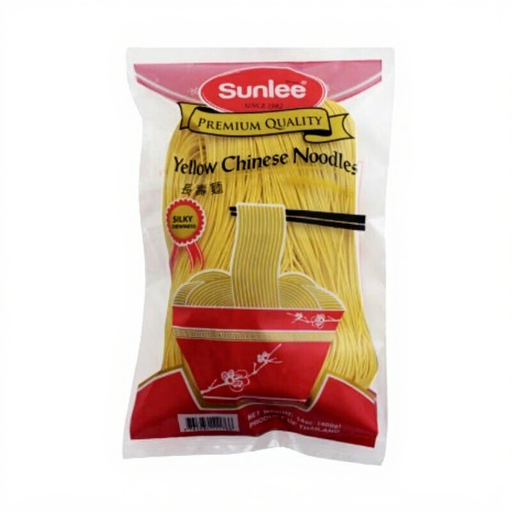
Why This Fits Their Persona: A versatile pack for anyone starting out with Chinese noodles at home, whether they’re making soup or stir-fries.
The product information gives a clear cooking time of 2–4 minutes and advises rinsing with cold water before using in a wok.
400 g pack; ingredients: wheat flour, water, salt and turmeric. Contains gluten.
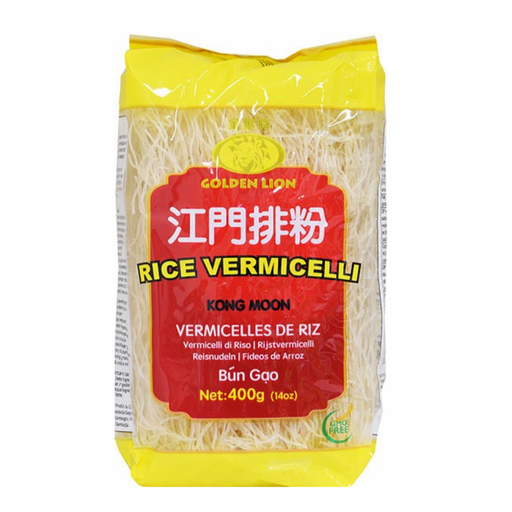
Why This Fits Their Persona: A great choice for salads, spring rolls, soups and light stir-fries, with no wheat ingredients listed in the allergen information provided.
The preparation instructions recommend soaking in hot water for 10–20 minutes, depending on thickness. This prevents unnecessary boiling.
400 g pack; according to the product information, none of the 14 major EU allergens.
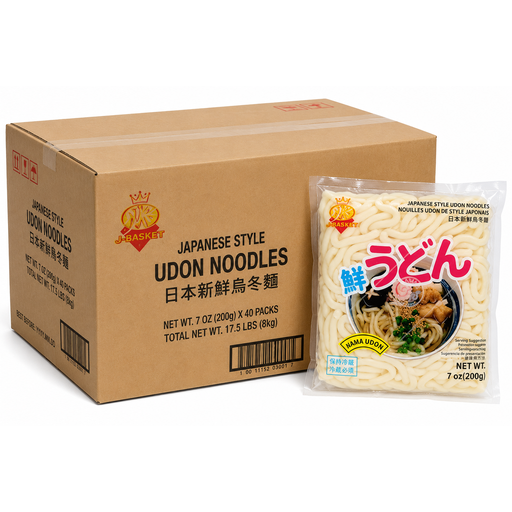
Why This Fits Their Persona: The bulk pack with 30 individually wrapped portions is ideal for catering, a large family or a professional kitchen.
The portion packaging makes it easier to measure out servings and stops a large pack from being left open repeatedly.
30 portions of 200 g; according to the product description, suitable for soup, stir-fries and cold salads.
Browse a current selection of noodles and compare types, pack sizes, ingredients and uses for your kitchen.
Chinese noodles, rice sticks, glass noodles and udon noodles can all be used in a wok, but they need different preparation. Boil or soak them first according to the label, and add them only when the vegetables and sauce are nearly ready.
Rice flour is naturally gluten-free. However, you should still check the label, because additives, production lines or sauce sachets may contain other allergens. Products such as Farmer Brand Rice Stick Noodle list rice flour as an ingredient and none of the 14 major EU allergens, but always check the current packaging.
Dried noodles are generally suitable for long-term storage, as long as they are kept dry and sealed. For fresh noodles and instant cups, the date on the packaging is the best guide. Do not use a pack if it is damaged, and always follow the manufacturer’s storage instructions.
