
Vandaag of morgen in huis

Kwaliteit gegarandeerd

Welkomstaanbiedingen ontgrendelen: GRATIS bezorging | Tot 80% korting | Gratis 30 dagen JoyPlus-proefperiode
Download de app
Buying Asian noodles seems straightforward – until you’re faced with a shelf or product page full of Chinese noodles, Korean noodles, Japanese noodles, wok noodles and all sorts of glass and starch varieties. The shape, ingredients and cooking method largely determine whether your noodles are suitable for soup, stir-fries, hotpot or a cold salad.
Pay particular attention to three common pitfalls:
The right choice starts with the texture and application you’re after.
Wheat flour usually means the product contains gluten. This applies, for example, to JinShaHe Shaved Noodles, JINBAIWEI Udon Noodles and many Korean noodles. Even when a product contains buckwheat, it isn’t automatically gluten-free: according to the product information, Ottogi Buckwheat Noodles also contain 56% wheat flour.
With starch noodles the base is different, but check the label there too. Go-Tan Vermicelli lists mung bean starch and none of the 14 main EU allergens. City Aroma Shirataki Fine Noodles lists water, konjac flour and calcium hydroxide, and is described as gluten-free in the product information. If you have allergies, always check the current packaging and any mention of possible traces.
Dry noodles generally have a longer shelf life, but need boiling or soaking. JinShaHe Shaved Noodles should be boiled for 5 to 7 minutes according to the instructions. Wuhan hot dry noodles from Toyoung and Chunsi need around 4 to 5 minutes of cooking time.
For a quick meal, pre-cooked varieties are handy. According to the product description, JINBAIWEI Udon Noodles can be heated in the microwave: add a tablespoon of water and heat for about one minute at 700–800 watts. Shirataki noodles are ready to use after rinsing and heating, according to the product information. Always follow the instructions on the pack; some products are not intended to be eaten raw.
Compare nutritional values per 100 grams and note whether the table refers to dry noodles or the complete dish. Dry wheat noodles, for example, contain around 348–357 kcal per 100 grams for Toyoung and Chunsi. That isn’t directly comparable with a ready-to-eat bowl with sauce.
If you’re looking for a low-carb alternative, konjac noodles are worth considering. City Aroma Shirataki Fine Noodles lists 7 kcal and 1.7 grams of carbohydrates per 100 grams. Hethstia Konjac Noodle Fettuccine lists 6 kcal and 1.3 grams of carbohydrates per 100 grams. These are product specifications from the relevant product information, not a medical or dietary guarantee.
A pack of 100–400 grams is practical for variety. For larger households or meal prep, Toyoung Wuhan Dry Noodles and Chunsi Wuhan Hot Dry Noodles at 2 kg may be more appealing. Store opened dry noodles in a sealed container and follow the best-before and storage instructions on the label.
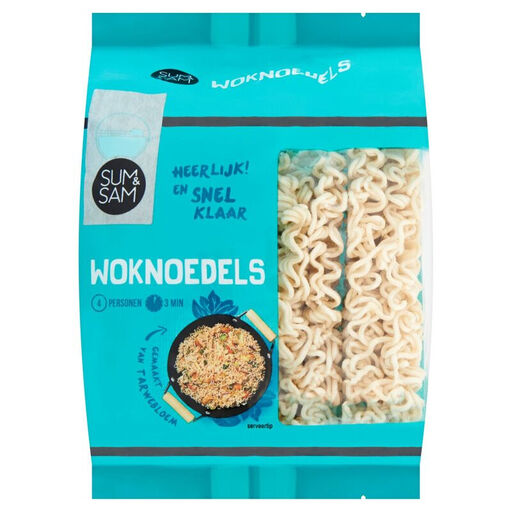
Why this suits the profile: A straightforward pack for anyone wanting to whip up a quick stir-fry with vegetables and sauce at home.
The packaging lists ingredients, nutritional values and storage instructions, so you don’t have to rely on the product name alone.
248 grams; according to the product description, suitable for stir-frying and made from wheat flour.
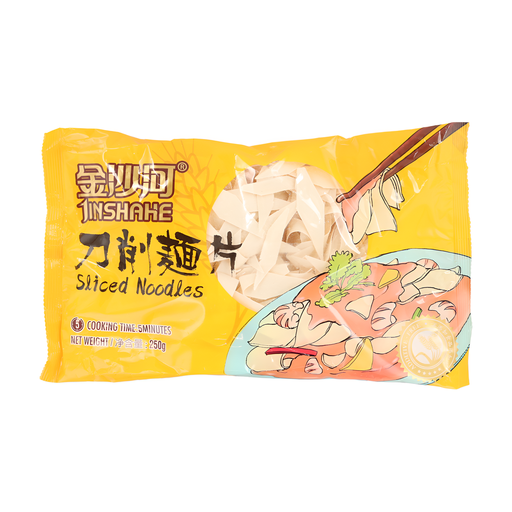
Why this suits the profile: For anyone looking for broad Chinese noodles that hold onto sauce and broth well.
The simple ingredients list mentions wheat flour, water and salt. This makes the composition easy to assess.
250 grams; cooking time of 5–7 minutes; suitable for soup and stir-fry dishes according to the product information.
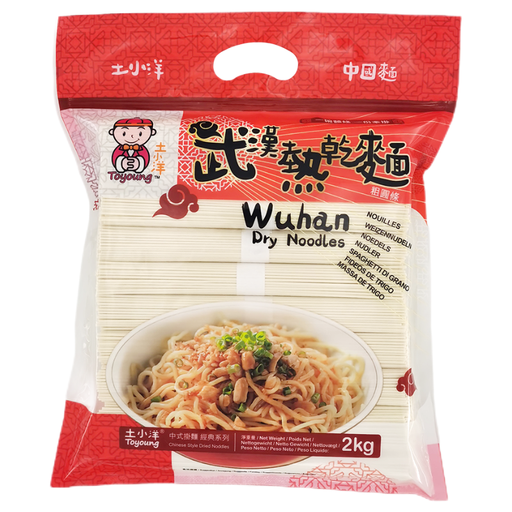
Why this suits the profile: A bulk supply for fans of Wuhan hot dry noodles, meal prep or a household that uses noodles often.
The pack is large, but the preparation method is specific: boil for around 4–5 minutes, then combine with sauce or toppings.
2 kg; ingredients list with wheat flour and salt; according to the product information, suitable for hot dry noodles, soup and stir-frying.
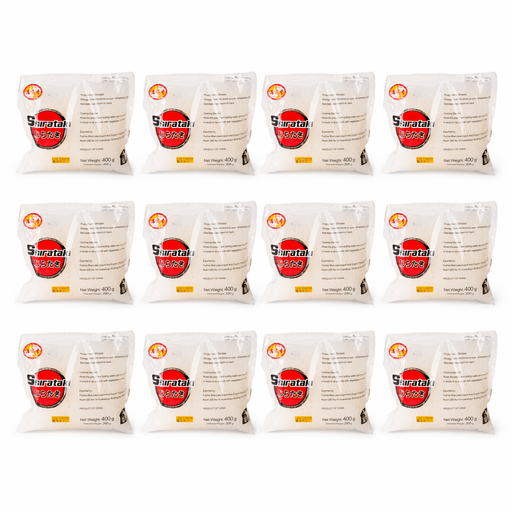
Why this suits the profile: For anyone looking for Japanese noodles with a neutral flavour and a preparation that mainly involves rinsing and heating.
The product information clearly states konjac flour, the preparation method and the nutritional values. This lets you compare the variety with wheat or starch noodles.
400 grams per pack; according to the product information, 7 kcal and 1.7 grams of carbohydrates per 100 grams.
We’ve put together a full, up-to-date list of products that fully meet these strict selection criteria and comply with current European safety regulations.
Wok noodles and firm Chinese wheat noodles are practical because they mix well with vegetables, tofu, meat or sauce. Check whether the noodles need to be boiled, soaked or simply warmed up first. Add cooked noodles at the right moment to prevent them from sticking together or falling apart.
No. Many Chinese noodles, udon noodles, ramen and Korean noodles contain wheat flour. Glass noodles made from mung bean, potato or tapioca starch can be an alternative, but check the label. Shirataki and konjac noodles are often made without gluten; always look at the current allergen information.
This varies by product. Store dry noodles in a cool, dry place, well sealed, according to the label. Different instructions apply for opened, moist or ready-to-eat noodles. Hethstia Konjac Noodle Fettuccine, for example, states that the product must be refrigerated after opening and used within two days. Always check the packaging rather than relying on a general storage period.
