
Livraison le jour même et le lendemain

Qualité garantie

Débloquez vos offres de bienvenue: Livraison GRATUITE | Jusqu'à -80 % | 30 jours d'essai gratuits à JoyPlus
Téléchargez l'application
Do you want to buy Asian noodles, but find yourself lost among the vast selection of rice noodles, rice vermicelli, glass noodles and wheat noodles? The right choice depends largely on the dish, the texture you’re after and the cooking method. A noodle for pho behaves very differently from one for stir-fries or a spicy instant meal.
As Joybuy’s Product Recommendation Officer, I filter product information based on practical points. That way, you won’t end up relying solely on packaging, origin or flashy flavour claims.
“Vermicelli”, “rice stick” and “glass noodles” are sometimes used interchangeably. Yet they are not the same:
Always check the ingredients and the width in millimetres, not just the product name.
Some noodles need to be soaked, others boiled, and instant noodles are usually just covered with hot water. A product that’s suitable for pho might therefore be less convenient when you want a fast meal on a busy workday.
Look out for terms like boil, soak, leave for 5–6 minutes or mix directly. With fresh phở tươi, the instructions may differ again. Always read the label on the packet before use.
With instant noodles, the sauce, oil and seasoning sachets determine a large part of the flavour. If you have allergies, check for allergens such as wheat, gluten, soya, sesame, peanuts, milk and shellfish. The salt content can also vary significantly. For example, MAMA Instant Shrimp Flavour Noodles lists a high salt content, so use the product information and preparation instructions as your guide.
A claim about taste or authenticity is not an objective sign of quality. According to a brand’s own research, a product may approximate a certain flavour, but the verifiable information remains the ingredients list, nutritional table and preparation method.
First, check whether the noodle is made from rice flour, mung bean starch, sweet potato starch or wheat flour. This determines the texture and is important if you have food allergies or follow a diet where you want to avoid certain ingredients.
Examples:
The product packaging may contain additional or updated information. Always check the current label before purchase and consumption.
The size affects the cooking method and the final result:
Don’t automatically use broad noodles in a light broth: they can alter the balance between noodle and soup.
A bag of 400 or 500 g is handy if you want to make several portions, but it requires proper storage. Store unopened dry noodles according to the label in a cool, dry place away from moisture and direct sunlight. Seal an opened packet tightly.
Instant noodles are often packed in single portions. This makes portioning easy, while boxes such as MAMA 30 may contain 30 individual packets. Don’t just look at the price per pack, but also at the quantity per portion and the included seasonings.
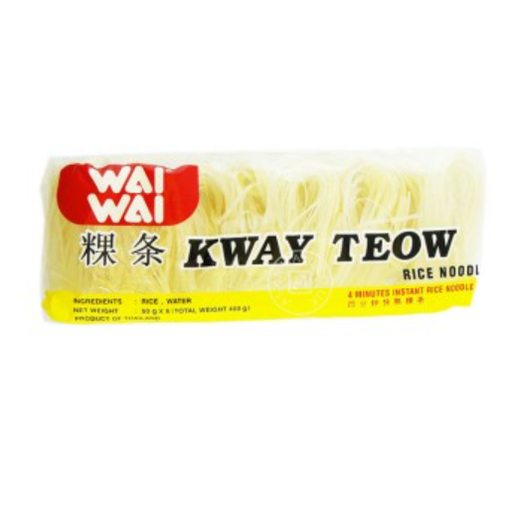
Why this fits the profile: A neutral rice noodle for anyone wanting to start with stir-fries, soups and salads without stocking multiple types.
The ingredients list is short: 90% rice and 10% water. This makes it clear what type of noodle you’re buying.
400 g pack, rice as the main ingredient and, according to the product information, none of the 14 major EU allergens.
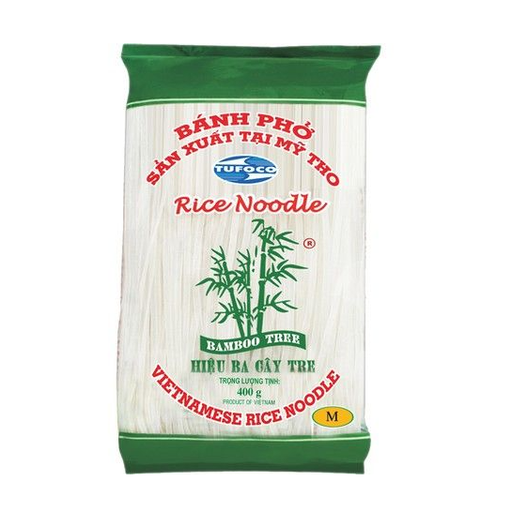
Why this fits the profile: The 3 mm width gives you control with Vietnamese dishes, stir-fries and light soups.
The size is clearly stated. You don’t have to guess based on the general term “rice noodles”.
According to the product information, it is made with 72% Vietnamese rice, with rice, tapioca and water listed as ingredients.
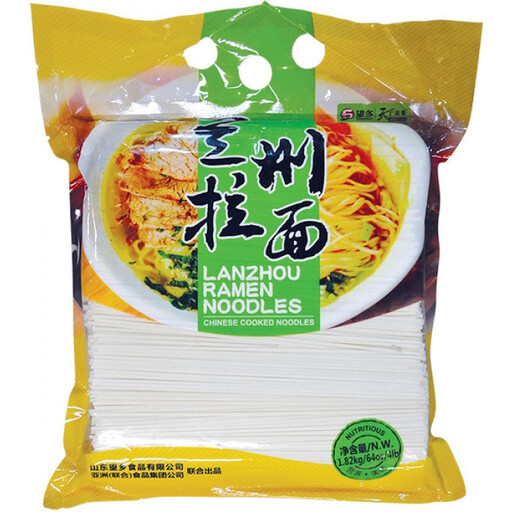
Why this fits the profile: The large pack is practical for households that often cook Chinese noodles, noodle soup or hotpot.
The composition is straightforward: wheat flour, water and salt. The product information also states that boiling is required.
1.82 kg pack, with advice to boil in water and wheat clearly listed as an allergen.
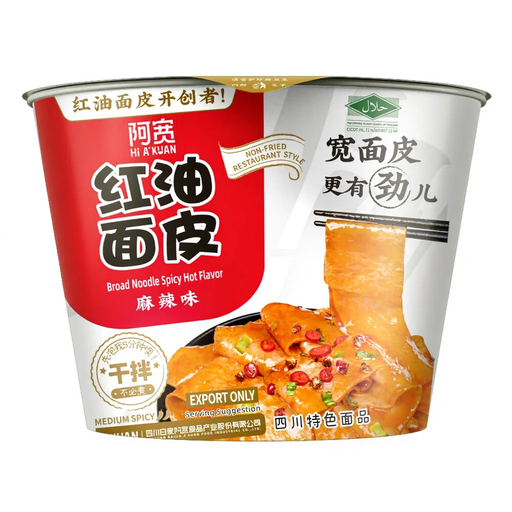
Why this fits the profile: A single serving for anyone looking for spicy instant noodles with broad, firm noodles and Sichuan-inspired seasonings.
The preparation is clear: pour over hot water for 5–6 minutes, drain, then add the sachets. The amount of chilli oil can be adjusted to taste.
Non-fried broad noodles, a single-serving pack of 110 g and multiple seasoning sachets for customising with vegetables or egg.
We’ve put together a full, up-to-date list of products that fully meet these strict selection criteria and comply with current European safety regulations.
Broad rice noodles are often used for pho. A product such as Gia Bao Rice Noodle Phở Tươi 4 mm is described as intended for phở and other Vietnamese soups. Always check whether the product is fresh, dried or ready to cook, and follow the instructions on the packet.
Rice vermicelli is made from rice and usually stays light in colour. Glass noodles are often made from mung bean starch and turn translucent after cooking. If in doubt, look at the ingredients list: Sunlee Long Kou Vermicelli lists mung bean starch as the base.
Keep dry noodles sealed in a cool, dry place, away from moisture and heat. Use prepared noodles immediately if the packet instructs you to. With instant products, it’s best not to store an opened portion again unless the label explicitly gives guidance.
