
Vandaag of morgen in huis

Kwaliteit gegarandeerd

Welkomstaanbiedingen ontgrendelen: GRATIS bezorging | Tot 80% korting | Gratis 30 dagen JoyPlus-proefperiode
Download de app
Buying Asian noodles seems straightforward, until you’re faced with a shelf or online range packed with dozens of varieties. Chinese noodles, Japanese udon noodles, Korean noodles and rice vermicelli all differ greatly in texture, preparation and use. Pick the wrong one and you could end up with sticky noodles, a soup that’s too heavy, or a packet that sits unused after a single meal.
As a Joybuy Product Recommendation Officer, I filter product information based on practical points: what a noodle is suitable for, what ingredients are on the label, and whether the pack size matches how you cook. That way, you’re not just relying on terms like “authentic”, “handmade” or “traditional”.
Not every noodle goes straight into boiling water. Dried hand-pulled noodles usually need to simmer for a few minutes. Fresh udon can be warmed through quickly, while some rice vermicelli needs to be soaked in hot water first. Always check the cooking instructions on the packet.
Thin noodles are often good for light soups or cold dishes, but a wide, flat noodle holds more sauce. Thick udon has a soft, firm bite and works well in broth or stir-fries. A thin egg noodle, on the other hand, is practical in the wok.
A big pack of noodles is handy for families, meal preppers and small catering businesses. For occasional use, a 200 g to 400 g bag may be more suitable. Also check whether the pack can be sealed airtight after opening and whether the product needs to be stored dry.
A short cooking time is convenient for weekday meals, but it doesn’t tell you anything about the final texture. Pay attention to the recommended minutes and adjust them to your preference if needed. Dried noodles are often rinsed after cooking for cold dishes or to stop the cooking process.
Rice vermicelli usually needs to be soaked in boiling water. Fresh noodles can be ready more quickly, but must be stored chilled or according to the packet instructions. Do not eat raw dough or uncooked flour products; cook wheat noodles thoroughly before serving.
Always check whether the product contains wheat, gluten, soya, egg, peanut, sesame or sulphites. A product that is free from the 14 main EU allergens according to the product information may still contain other ingredients that are relevant to you. The packet is the final authority, as composition and labelling can change.
Also pay attention to the net weight. A 1 kg bag is practical if you cook regularly. Individual 200 g portions are easier to portion out and store.
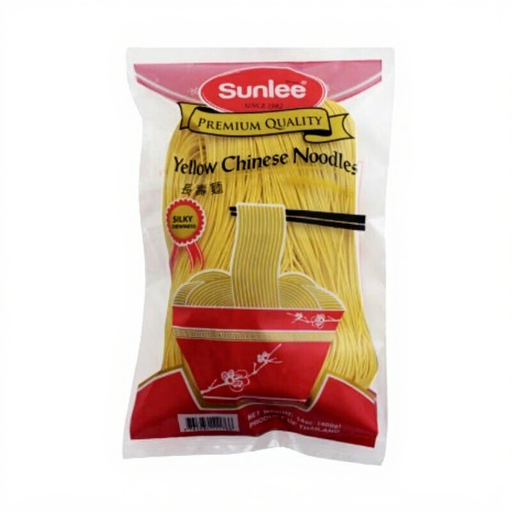
Why this fits the profile: An accessible base for wok dishes and noodle soups. According to the product information, the noodles cook in 2 to 4 minutes.
The product description states a clear cooking time and wok suitability. The 400 g pack reduces the risk of having too much stock.
Wheat base with water, salt and turmeric; suitable for boiling and stir-frying.
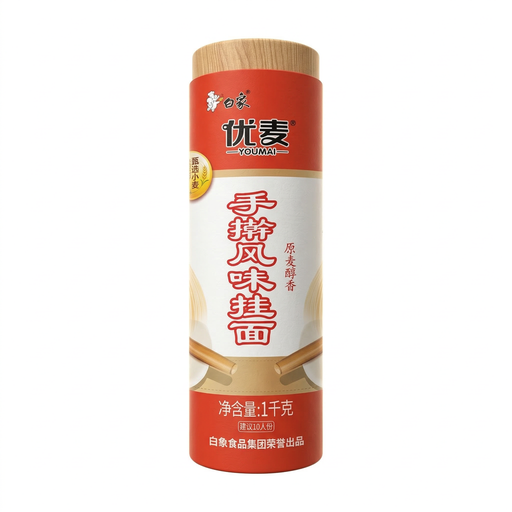
Why this fits the profile: According to the product description, these dried noodles are designed to mimic the texture of hand-rolled noodles. They work well in soup, wok dishes and cold noodle preparations.
The ingredients list is straightforward: wheat flour, starch, salt and raising agent. The cooking time of 4 to 6 minutes is stated.
1 kg content for regular use; contains wheat and gluten, so check the allergen information.
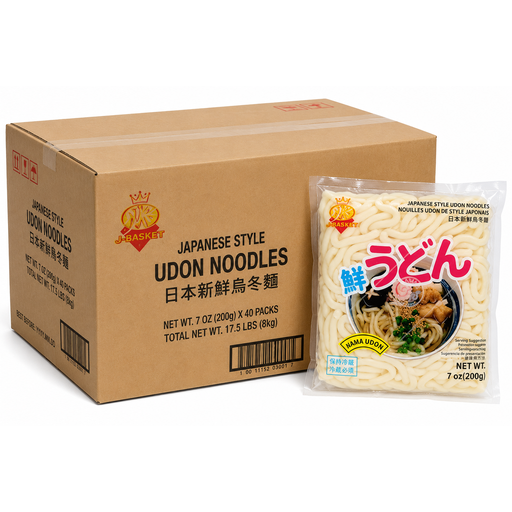
Why this fits the profile: The box contains 30 individual 200 g portions, making it ideal for large households, catering and food service use.
The portions are individually packed. This means you don’t have to use the whole box at once after opening.
Thick udon with a soft, firm texture; suitable for soup, wok dishes and cold salads.
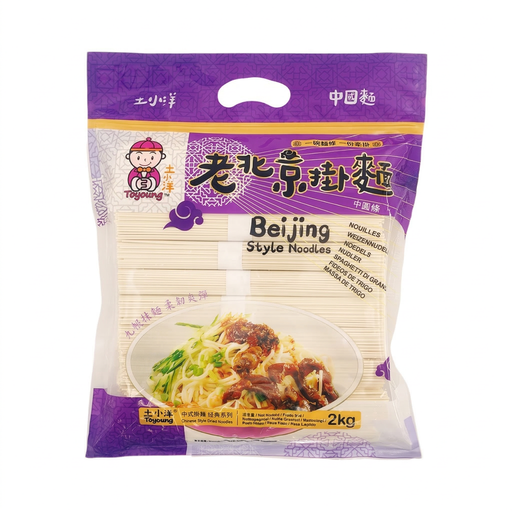
Why this fits the profile: The 2 kg pack is designed for regular cooking, family meals and larger quantities for meal prep.
The quantity is clearly stated. You can divide the stock across several meals, as long as you store the opened pack in a dry, airtight container.
Wheat noodles with a firm texture; suitable for Beijing-style noodles, soup and stir-fries.
We’ve put together a full, up-to-date list of products that fully meet these strict selection criteria and comply with current European safety regulations.
Store dried noodles in a cool, dry place away from direct sunlight. Seal the bag tightly or use an airtight container. Fresh noodles and opened fresh noodles should be stored according to the label. Always check the best-before information on the packet.
Fresh udon and ready-to-use shirataki noodles require little preparation. Egg noodles with a short cooking time are also handy for a wok dish. Always check the instructions for shirataki: rinsing and heating is not the same as dry cooking.
Use plenty of water, stir during cooking and stick to the recommended cooking time. Rinse noodles for a cold salad immediately with cold water. For a wok dish, you can cook them for slightly less time, drain them well and only then add them to the pan.
