
Vandaag of morgen in huis

Kwaliteit gegarandeerd

Welkomstaanbiedingen ontgrendelen: GRATIS bezorging | Tot 80% korting | Gratis 30 dagen JoyPlus-proefperiode
Download de app
Asian noodles are a handy option for a quick stir-fry, soup, cold salad or simple evening meal. Yet packaging often looks more alike than the contents actually are. A thick udon noodle requires a different preparation to fine somen, while an instant cup may already contain sauce and seasonings.
If you buy without comparing, you’re likely to run into three common pitfalls:
Use the checkpoints below to compare Japanese noodles and other Asian varieties in a practical way.
The shape, thickness and ingredients determine which preparation makes sense.
The packaging doesn’t just determine the shelf life – it also tells you how much work is involved.
Dried noodles such as soba and somen take up little space and are good for stocking up. They usually need to be cooked in boiling water and then drained. Chun Si Tomoshiraga Somen, for example, states a cooking time of five to six minutes.
Fresh or pre-cooked udon is handy when you want to cook quickly. With SUKI Udon, it’s recommended to rinse the noodles first; the product information notes that a slight sour taste from the acidity regulators used can be normal. JINBAIWEI Udon Noodles can be heated briefly in the microwave according to the instructions.
Instant bowls and cups save time, but often already contain sauce, vegetables or seasonings. So pay attention to the preparation instructions, microwave power level and the advice not to seal the packaging completely during heating.
Wheat and gluten are common in many Japanese noodles. If you have an allergy, always check the full packaging. EU rules on allergen information require clear labelling of, among others, wheat, soy and sesame, but product information online can change. So use the label on the pack you receive as your final check.
Also note the difference between noodles without sauce and a complete meal product. According to the product information, Hakubaku Udon Noodles consist of wheat flour, salt and water. An Obento Sesame Teriyaki Udon Noodle Bowl, on the other hand, also contains sauce, dried vegetables, sesame and soy.
Compare nutritional values per 100g where possible. This stops a small portion size on the front of a cup from giving an unrealistic picture. For shirataki, the product data shows a very low energy value and 1.5g of carbohydrates per 100g. That makes this variety interesting for people who want to eat fewer carbohydrates, without drawing any medical conclusions from it.
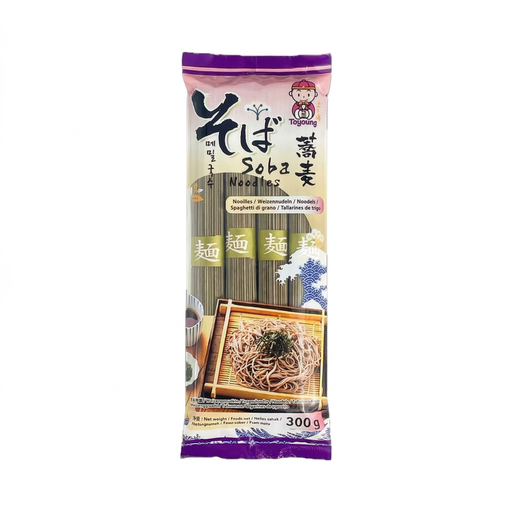
Why this fits the profile: The 300g pack is practical for several meals, and according to the product information the noodles are suitable for soup, salad and stir-fry dishes.
The composition states 84% wheat flour and 15% buckwheat flour, so you don’t have to rely on the name “soba” alone.
300g per pack; suitable for soup, salad and stir-fry dishes; 12g protein per 100g according to the product data.
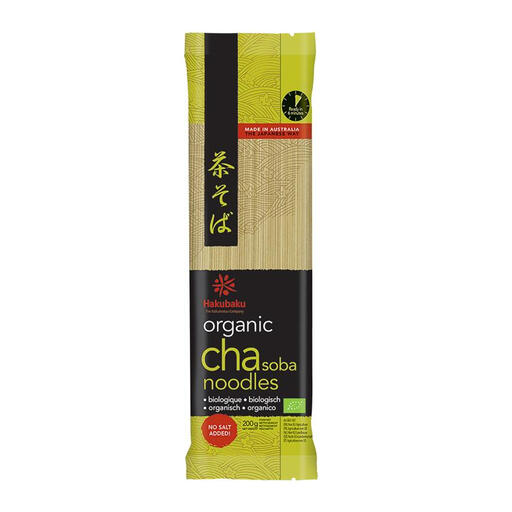
Why this fits the profile: A compact Japanese variety with green tea in the ingredients list, ideal for anyone after a specific flavour and presentation.
The product data clearly states the percentages of wheat flour, green tea and buckwheat flour, so the composition remains verifiable.
200g; 11.4g protein per 100g; only 0.007g salt per 100g according to the stated nutritional values.
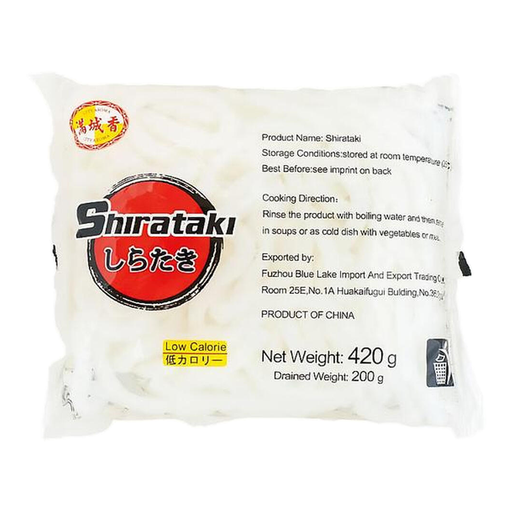
Why this fits the profile: This konjac variety is designed for anyone looking for a low-carb noodle base for soup, stews, salads or sauces.
The product information explicitly states konjac, the nutritional values and the instruction to rinse the noodles and then heat or use them cold.
400g; 9.5 kcal and 1.5g carbohydrates per 100g according to the product data; none of the 14 main EU allergens listed.
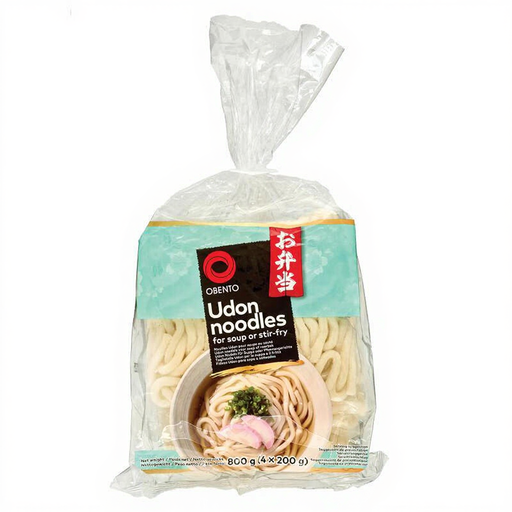
Why this fits the profile: The large pack is practical for families or anyone who regularly uses noodles for stir-fries and soups.
The net weight is clearly stated, so you can compare the quantity against your usual consumption and storage space.
800g; suitable for stir-fries, soups and cold salads; store in a cool, dry place.
We’ve put together a full, up-to-date list of products that fully meet these strict selection criteria and current European safety regulations.
Yakisoba and udon are practical choices for stir-fries. Yakisoba is specifically designed for stir-frying. Udon is thicker and has a firm bite. Soba and somen can also be used, but prepare them according to the label first and avoid leaving them in the pan for too long.
Fresh udon is usually already pre-cooked or soft and mainly needs warming through. Dried noodles need to be cooked in boiling water first. Always check the packaging, because “fresh” can mean different things depending on the product – chilled, vacuum-packed or shelf-stable at room temperature.
Dried noodles generally remain usable until the stated best-before date when stored in a cool, dry place away from direct sunlight. Once opened, the pack should be sealed tightly. For fresh udon and opened instant products, follow the storage and usage instructions on the label. Don’t use any packaging that is damaged, and if in doubt, check the full product information.
