
Livraison le jour même et le lendemain

Qualité garantie

Débloquez vos offres de bienvenue: Livraison GRATUITE | Jusqu'à -80 % | 30 jours d'essai gratuits à JoyPlus
Téléchargez l'application
Asian noodles come in many forms: from konjac noodles and shirataki noodles to rice noodles, wheat noodles and broad sweet potato noodles. The difference isn't just about flavour. Preparation time, texture, nutritional value, allergens and storage method all determine whether a pack is right for your kitchen.
If you focus mainly on an attractive packet or a promise of "authentic flavour", you might be in for a surprise. Below, we explain the common pitfalls and which product specifications you should check first.
According to the stated product specifications, konjac noodles and shirataki noodles are low in calories. The Yu Quan Konjac Noodles, for example, contain 6 kcal and 1.5g of carbohydrates per 100g of drained product. However, that says nothing about the overall meal. Sauces, oil, meat, fish and toppings can significantly alter the nutritional value.
So use these noodles as a base, and also check the ingredients and nutritional values of the rest of the dish. Product information is not personal dietary advice.
Dried sweet potato noodles often need to be soaked first and then boiled. The Yu Quan Sweet Potato Wide Noodles, for instance, require 20 to 30 minutes of soaking, followed by a few minutes of boiling. Instant noodles and rice noodles are usually quicker to prepare, but often come with a separate sachet of seasoning, oil or sauce.
Always check whether the noodles need to be soaked only, boiled, or can be prepared directly with boiling water. "Quick to prepare" doesn't apply to every type in the same way.
The noodles themselves might be made from rice, konjac or sweet potato starch, for example, while the sauce sachets can contain wheat, soya, fish, shellfish or sesame. The OMACHI instant noodles with beef flavour list wheat, anchovy and soya among their ingredients. The BAEKJE rice noodles with anchovy flavour also contain wheat, soya, fish and mustard, according to the product information.
If you have allergies or intolerances, it's wise to check the full ingredients list. Don't just look at the noodle block; check every sachet included.
The base ingredient determines how the noodles behave in a dish:
Also pay attention to the shape. Thin noodles often cook faster than broad ones. A flat, wide variety gives a different bite than a narrow thread noodle.
Don't just compare the number on the front. Check:
According to the product information, the Yu Quan Sweet Potato Noodles contain 342 kcal and 85g of carbohydrates per 100g. That's a different profile from konjac products. The Yu Quan Sweet Potato Wide Noodles list 313 kcal and 77g of carbohydrates per 100g. So neither type is a direct substitute for low-calorie konjac noodles, even though they are sometimes used in similar dishes.
Water-packed konjac products must be kept refrigerated after opening and used within a few days according to the stated instructions. The Yu Quan Konjac Noodles should be rinsed and boiled for 2 to 3 minutes to reduce the natural odour.
Dried noodles are generally easier to store in the cupboard. Instant noodles mainly require attention to salt content and portion size. For frozen products, such as the Iglo meal with salmon and tagliatelle, the cold chain must be maintained and the product must not be refrozen after defrosting.
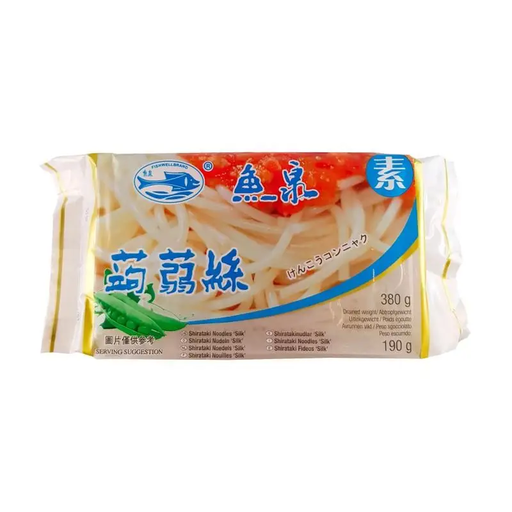
Why this fits the profile: A practical introduction to konjac noodles for stir-fries, soups or hotpot, without having to stock up on a large dry supply straight away.
The packaging states the drained nutritional value and clear preparation steps. Rinsing and a short boil help reduce the natural odour.
380g per pack, water-packed and, according to the product information, 6 kcal per 100g drained.
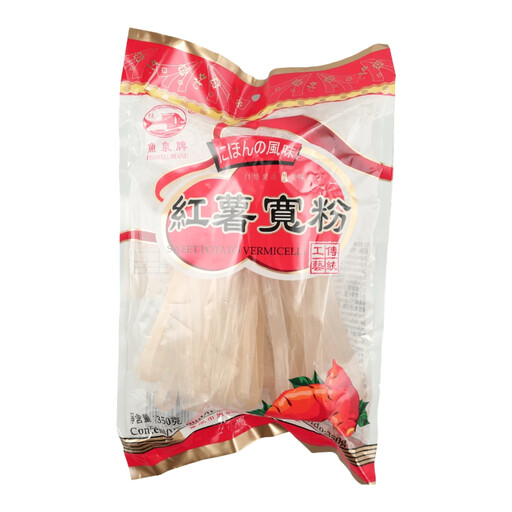
Why this fits the profile: The broad shape is aimed at fans of Chinese hotpot, braised dishes and noodles with plenty of sauce.
The instructions mention soaking, boiling and suitable uses. This makes it clear upfront that it is not an instant noodle.
350g, 88% refined sweet potato starch according to the product information, and a broad, translucent shape.
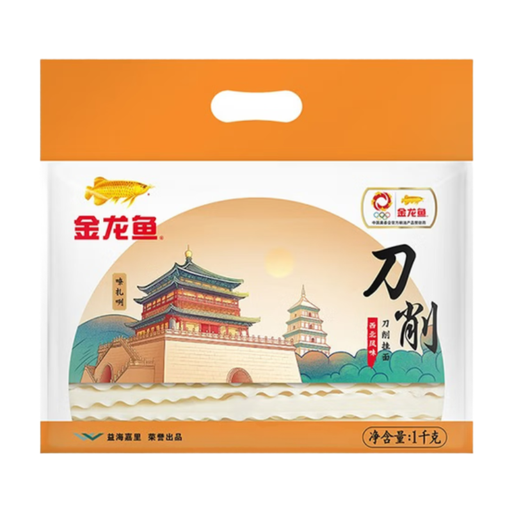
Why this fits the profile: A bulk pack for anyone who regularly makes Chinese noodle soup, stir-fry noodles or hearty wheat noodles.
The product information clearly states wheat and gluten. This prevents the noodles from being accidentally bought as a gluten-free base.
1kg per pack, with wheat flour, starch and wheat gluten listed as ingredients.
For a quick meal, instant noodles, ramen or Thai tom yum noodles are practical. Just watch out for portion size, salt and allergens. The MAMA Shrimp Creamy Tom Yum Cup is prepared with boiling water and, according to the product information, contains wheat, lupin, prawns and soya among its ingredients.
For a fish-based dish, you could also look at seasonings and toppings. The Yujiaxiang tuna noodle sauce with pickled chilli is ready to use and, according to the label, contains fish, soya, wheat and sesame. Also browse the range of fish noodles for more combinations.
Konjac noodles and shirataki noodles generally have a low energy value. Always check whether the nutritional value is per 100g dry or drained. The sauce and ingredients you add also contribute to the overall meal.
Rinse the noodles thoroughly under cold water and then boil them according to the pack instructions. For the Yu Quan Konjac Noodles, 2 to 3 minutes of boiling is stated. Drain them well before adding to stir-fry sauce, broth or salad.
Store dried noodles in a cool, dry place away from direct sunlight. After opening, a well-sealed pack is advisable. Always check the best-before date and the specific storage instructions on the label before consuming.
We've put together a full, up-to-date list of products that fully meet these strict selection criteria and comply with current European safety regulations.
