
Vandaag of morgen in huis

Kwaliteit gegarandeerd

Welkomstaanbiedingen ontgrendelen: GRATIS bezorging | Tot 80% korting | Gratis 30 dagen JoyPlus-proefperiode
Download de app
As a Product Recommendation Officer at Joybuy, I see people getting lost in the overwhelming options every day. The Asian noodle aisle, both online and in-store, is enormous. The packaging promises an authentic taste experience, but the reality can sometimes be a disappointment. Before you buy another pack of noodles that ends up in the back of the cupboard, let's look at the most common pitfalls and how to avoid them.
To avoid wasting your money, it helps to pay attention to a few specific details. These aren't secrets, but specifications that are often overlooked.
Not all noodles are created equal. The foundation of your dish starts here.
Your choice depends on how much time and effort you want to invest.
Below are a few choices that suit different needs and cooking styles, based on their product specifications.
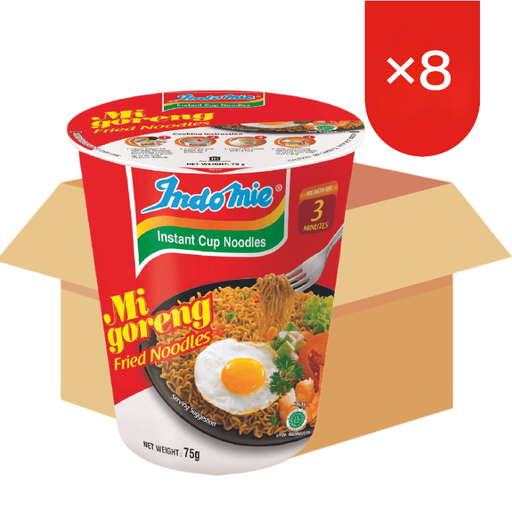
Why This Fits Their Persona: Ideal for students or young professionals with limited time. All you need is boiling water, and a warm, flavourful meal is ready in three minutes. No extra pans, no washing up.
This product doesn't pretend to be a culinary masterpiece. It delivers exactly what it promises: the well-known, savoury, and slightly sweet taste of Mi Goreng. No false "authentic" claims, just a reliable, quick bite.
The cup packaging is extremely convenient for the office or on the go. The flavour is a combination of sweet soy sauce, shallot oil, and a hint of garlic, creating a satisfying meal.
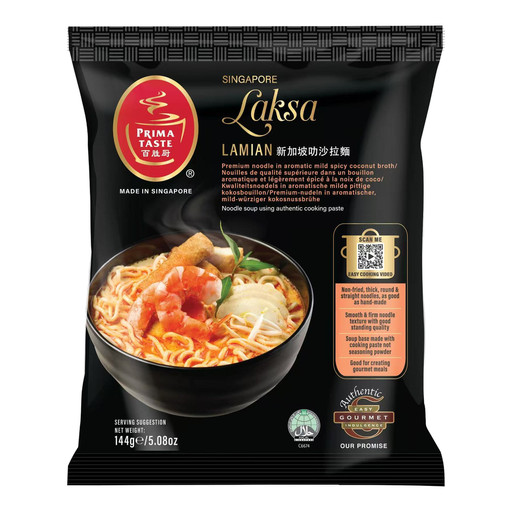
Why This Fits Their Persona: For those who want to bring the taste of Southeast Asia into their home without spending hours in the kitchen. This kit provides a high-quality base that you can customise with fresh ingredients like bean sprouts, prawns, or a boiled egg.
This product bypasses the "authentic flavour" pitfall by providing a complex laksa paste instead of a simple powder. The ingredient list includes traditional flavourings like dried shrimp, galangal, and turmeric, ensuring a deep and layered taste.
The noodles are steamed and air-dried (not fried), resulting in a firm, springy texture comparable to handmade noodles. The creamy and aromatic coconut soup is rich in flavour.
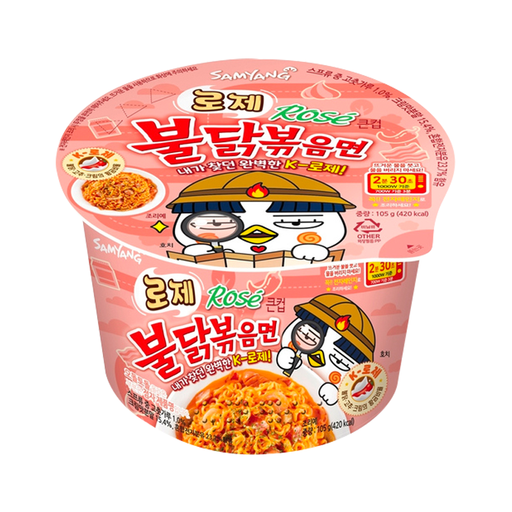
Why This Fits Their Persona: For those actively seeking out spicy noodles and who don't shy away from the 'fire noodle challenge'. This version from Samyang combines its famous heat with a creamy, cheesy sauce for a modern twist.
Samyang is transparent about its products' spice level. You know what to expect: an intense, burning sensation. This product delivers the promised heat, avoiding the disappointment of a "spicy" product that turns out to be mild.
The addition of a creamy 'rose' sauce balances the heat, resulting in a unique flavour experience that is both fiery and smooth. The bowl packaging makes preparation simple.
Whether you want to stir-fry from scratch, need a quick meal, or have a specific flavour in mind, there's always a suitable option. Check out our full assortment for more choices.
You can easily elevate a simple bowl of instant noodles. For example, add a soft-boiled egg, some finely chopped spring onions, fresh chilli, or a handful of bean sprouts. Leftover vegetables or chicken from the fridge also work great. A dash of soy sauce or sesame oil can further deepen the flavour.
Although there is a lot of overlap, there are general differences. Chinese noodles are incredibly diverse but often based on savoury, salty flavours (like soy sauce and oyster sauce). Thai noodles, as in pad thai, often balance sweet, sour, salty, and spicy notes. Japanese noodle dishes, as buying ramen suggests, often focus on a deep umami flavour from broths based on miso, soy, or pork bone.
A good online Asian grocery store often offers a much wider and more specialised selection than the average supermarket. Here you'll find specific brands and flavours you might not otherwise come across, from authentic regional specialities to the latest food trends from Asia.
