
Vandaag of morgen in huis

Kwaliteit gegarandeerd

Welkomstaanbiedingen ontgrendelen: GRATIS bezorging | Tot 80% korting | Gratis 30 dagen JoyPlus-proefperiode
Download de app
Asian noodles come in many forms, from fine rice vermicelli for Vietnamese salads to hearty soba noodles for cold Japanese dishes. The difference isn't just in the name. The base ingredient, thickness, preparation method and allergens all determine whether a pack is right for your recipe.
If you buy without comparing, you often run into three pitfalls:
With the checklist below, you can choose more wisely and avoid noodles that turn mushy, fall apart or don't suit your dietary preferences.
First, look at the ingredients list. The main groups are:
A claim like gluten-free is only relevant when it's clearly stated on the packaging or product information. If you have an allergy or coeliac disease, it's wise to check the physical label, as ingredients and warnings can change.
The thickness determines how a noodle behaves in the pan. Fine rice vermicelli often only needs a few minutes of soaking, while sturdy rice sticks or wheat noodles require longer cooking.
Look out for these practical differences:
Always follow the cooking instructions on the pack. The times given are guidelines; the exact texture also depends on the amount of water, the pan and the rest of the preparation.
A 200 g or 300 g pack can be suitable for a few meals, while a 1 kg bag is more practical for a family or frequent user. Compare the price per 100 g, not just per pack.
Also check the nutritional information table:
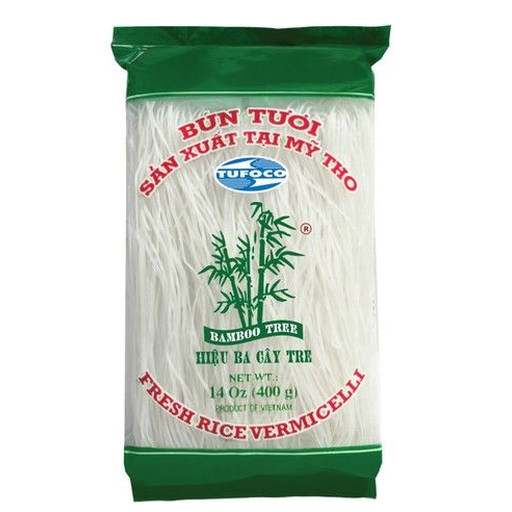
Why this fits the profile: A versatile choice for anyone starting out with Vietnamese dishes like bun bowls, soups and fresh spring rolls.
The product information lists rice, tapioca, water and salt as ingredients and gives a clear soaking instruction of 3 to 5 minutes.
400 g pack; according to the product information, gluten-free and free from the 14 main EU allergens.
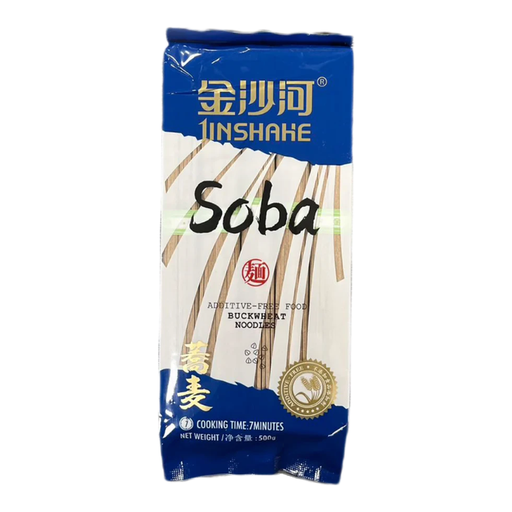
Why this fits the profile: For lovers of a nutty flavour and a firmer texture in hot or cold dishes.
The buckwheat percentage is stated as a minimum of 30%. At the same time, wheat is listed as an allergen, so the composition is transparent.
500 g pack; 5 g dietary fibre per 100 g according to the nutritional information provided.
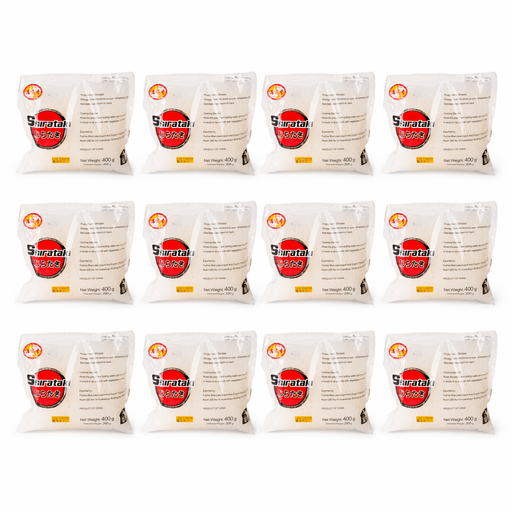
Why this fits the profile: Handy for quick stir-fries, soups or salads when you're looking for a ready-to-use konjac variety.
The preparation step is simple: according to the product information, just rinse and heat. No long cooking time needed.
400 g pack; according to the data provided, 7 kcal and 1.7 g carbohydrates per 100 g.
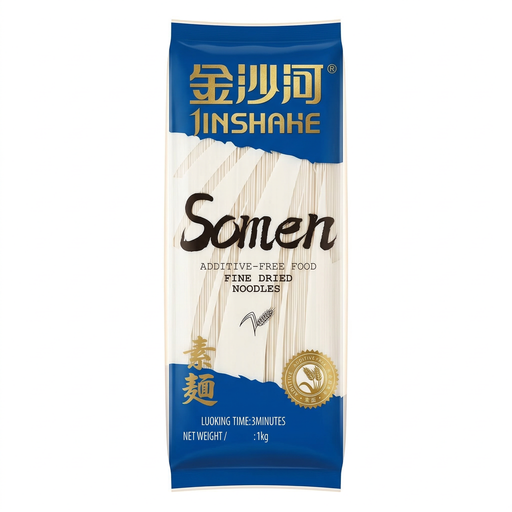
Why this fits the profile: A large dry store for households that regularly make Japanese noodles, soups or stir-fries.
The product information states a clear cooking time of around 3 to 5 minutes and lists wheat as an allergen.
1 kg net weight; dry noodles are easy to store in a cool, dry place.
We've put together a full, up-to-date list of products that fully meet these strict selection criteria and comply with current European safety regulations.
For Pad Thai, rice sticks are usually used. A 5 mm variety offers a practical middle ground. If you prefer a firmer bite, you can choose extra-wide rice sticks of 10 mm. Soak or cook the noodles according to the pack instructions and only add them to the wok afterwards.
No. Many soba noodles contain wheat flour in addition to buckwheat. So check the ingredients list and allergen information. If you eat strictly gluten-free, it's better to choose a product that clearly states gluten-free, such as certain rice noodles or konjac noodles. Also check the current label on these products.
Store dry noodles sealed in a cool, dry place, away from moisture and direct sunlight. Wet-packed shirataki or konjac noodles should be stored according to the product instructions. After opening, refrigeration and quick use may be necessary. Always follow the best-before and storage information on the pack.
