
Livraison le jour même et le lendemain

Qualité garantie

Débloquez vos offres de bienvenue: Livraison GRATUITE | Jusqu'à -80 % | 30 jours d'essai gratuits à JoyPlus
Téléchargez l'application
When you’re buying Asian noodles, the difference between packets isn’t always obvious at first glance. A thin rice noodle, a wide rice stick and a thick udon each require a different preparation and offer a distinct texture. If you choose solely by country of origin, packaging or a term like “authentic”, the result can be disappointing.
Pay particular attention to three common pitfalls:
Rice noodles are made from rice or rice flour and generally have a mild flavour. This means they readily absorb broth, stir-fry sauce or dressing. The thickness is key:
Always check the ingredients list. According to the product description, the Sunlee Premium Rice Stick 5mm consists of rice flour and water, but re-check the packaging if allergens are important to you. Preparation times can vary by brand; this variant states approximately 6 to 8 minutes of cooking.
Udon noodles are thicker and softer than many dried wheat noodles. They work well in soup, hotpot and stir-fry dishes. The product description of SUKI Udon mentions a smooth, chewy texture and advises rinsing the noodles before use to reduce a slight sour taste from acidity regulators.
Korean noodles are also often firm and wheat-based. Thin varieties, such as Ottogi Somen Noodles or NH Thin Noodles, can be used for cold noodle dishes, soup and stir-fries. Alongside the portion size, check the salt content: some wheat noodles already contain salt before you add sauce or broth.
Glass noodles are usually made from starch, for example wheat and pea starch. They become transparent after soaking or cooking and absorb sauces well. Jing Xian Fang Glass Noodles contain, according to the product specification, 97% edible wheat starch and 3% pea starch. Despite the name “glass noodles”, this is therefore not automatically a gluten-free choice.
Glass noodles are practical for soups, stir-fries, salads and spring rolls. Soak them first in warm water and then cook them briefly according to the packet instructions. This gives you more control over the texture.
The measurement in millimetres is not a minor detail. Rice sticks of 3 mm are relatively versatile. 5 mm offers more bite and is suitable for noodles for Pad Thai or pho. 10 mm holds up better in a hearty stir-fry, but may require an adjusted soaking or cooking time.
Read the full ingredients list, even when the product name seems clear. Wheat flour means the product contains gluten. Some products also include soya, sesame or shellfish in the sauce sachets. This is particularly relevant with instant noodles.
For example, A’KUAN Broad Noodle Sesame Paste Flavor contains wheat flour, soya and sesame. According to the product description, the noodles are not fried and are prepared with boiling water in approximately 4 to 5 minutes. The included sesame paste, seasonings and chilli oil determine a large part of the flavour and salt content.
A packet of 200 to 500 grams usually suits regular home use. For a family, catering or food service, bulk packs can be more practical. Do pay attention to storage after opening: keep dry noodles in a cool, dry place and seal opened packets airtight.
Fresh udon and chilled rice noodles often have a shorter shelf life than dried varieties. Therefore, check the date and storage instructions on the packaging. Product information on a website may change; the label on the product you receive is definitive.
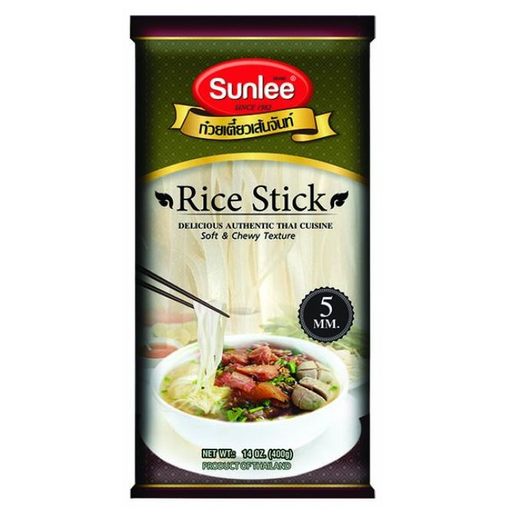
Why this suits the profile: The size is versatile for Pad Thai, pho, soups and stir-fries. With 400 g you get a useful quantity without committing to a bulk pack.
The specification states a clear width of 5 mm and a preparation time of approximately 6 to 8 minutes. Check the current label for ingredients and allergens.
5 mm wide; according to the product description made from rice flour and water; suitable for multiple dishes.
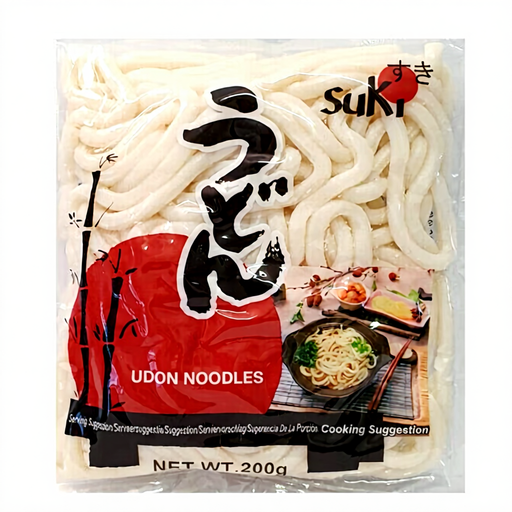
Why this suits the profile: If you value a thick, soft and springy noodle, this product is usable in soup, stir-fry and hotpot.
The product description mentions the texture and states that rinsing before cooking can reduce a slight sour taste.
200 g per pack; suitable for soup, stir-fry and hotpot; contains wheat and therefore gluten.
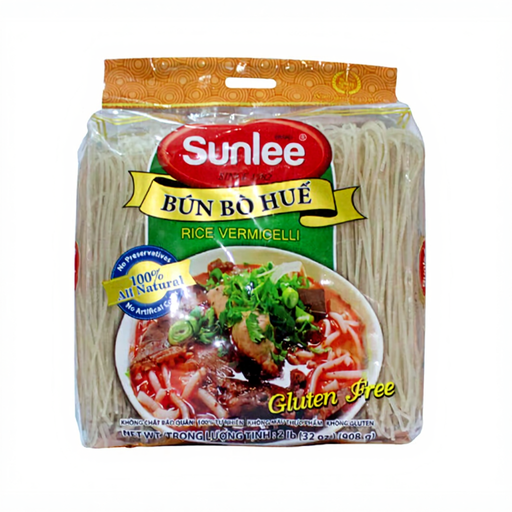
Why this suits the profile: The 908 g pack is handy for frequent home cooks, large households and catering where multiple portions are needed.
The product name states its intended use for Bun Bo Hue. Do check the exact soaking and cooking instructions on the packet before preparation.
908 g content; rice vermicelli for Vietnamese soup; suitable for larger meals and stocking up.
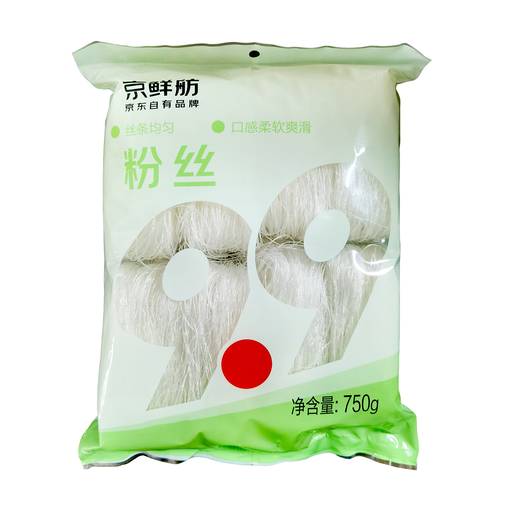
Why this suits the profile: The large pack suits meal prepping, regular stir-fries, soups and spring rolls.
The ingredients and preparation method are clearly stated: soak first, then cook briefly. The pack contains wheat starch; check this if you have a gluten allergy.
750 g content; suitable for soup, stir-fry, salad and spring rolls; absorbs flavours well according to the product description.
We’ve put together a full, up-to-date list of products that fully meet these strict selection criteria and current European safety regulations.
For Pad Thai, rice sticks of approximately 3 to 5 mm are usually used. They absorb tamarind, soya or other stir-fry sauces without making the dish too heavy. Soak or cook them according to the packet instructions and add them to the wok in good time.
For pho, thin Vietnamese rice noodles or wider rice noodles for pho work well. Pay attention to the width and preparation: thin noodles cook quickly in hot broth. Gia Bao Rice Noodle Phở Tươi 4mm is, according to the product description, intended for pho and other Vietnamese soups.
Dried rice noodles, somen and glass noodles generally keep for a long time when stored in a cool, dry place and sealed airtight. Fresh udon usually has a shorter shelf life. Always check the date, storage instructions and any warnings on the original packaging.
