
Vandaag of morgen in huis

Kwaliteit gegarandeerd

Welkomstaanbiedingen ontgrendelen: GRATIS bezorging | Tot 80% korting | Gratis 30 dagen JoyPlus-proefperiode
Download de app
Asian noodles come in many shapes, textures and pack sizes. Japanese noodles, Korean noodles and Chinese noodles can sometimes look alike, but they behave very differently in a broth, stir-fry or cold salad. So the right choice doesn't start with the packaging — it starts with the ingredients, cooking method and portion size.
Words like soba or buckwheat can give the impression that a product is mostly made from buckwheat. Always check the ingredients list and the percentage. For example, Jin Sha He Buckwheat Noodles contain at least 30% buckwheat flour, while NH Buckwheat Noodles contain 20% buckwheat flour. According to the product information, Hakubaku Cha Soba contains just 1% buckwheat flour and 2% green tea powder; the base is 97% wheat flour.
This difference affects flavour, colour and texture. If you're specifically looking for buckwheat noodles, it's worth comparing the percentage before you buy.
Some instant noodles may not contain pieces of meat, but they can still include ingredients such as milk, egg, fish extracts or unspecified flavourings. For NongShim Soon Veggie Ramyun, the product information lists wheat and soya among other things. Always rely on the packaging and allergen information, especially if you follow a vegan diet or have a food allergy.
Also check the individual sachets of seasoning, oil and toppings. The noodle block itself might seem suitable, while the flavouring could contain different allergens.
A 1 kg pack is practical for households that eat noodles regularly, but it's less suitable if you want to try out different types. Fresh or pre-cooked noodles can also have a different shelf life to dried noodles. So make sure you check:
Most Japanese noodles, Korean noodles and Chinese noodles in this selection contain wheat and therefore gluten. Examples include udon noodles, somen noodles and many soba noodles. Rice noodles and glass noodles are often made from rice flour, mung bean starch or other starches, but always check the label for possible traces and flavourings.
Look out for terms such as:
The shape determines how the noodle absorbs a dish.
Dried noodles usually need to be boiled in plenty of water. Cooking time varies from around 3 to 8 minutes, depending on thickness and composition. Pre-cooked noodles are quicker to prepare but should be heated according to the pack instructions. Instant noodles are handy for a fast meal, but they often come with a separate seasoning mix that's relatively high in salt. For NongShim Soon Veggie Ramyun, for example, the label states 4.1 g of salt per 100 g. If you want to keep the amount down, you can use only part of the seasoning powder and add extra vegetables or tofu.
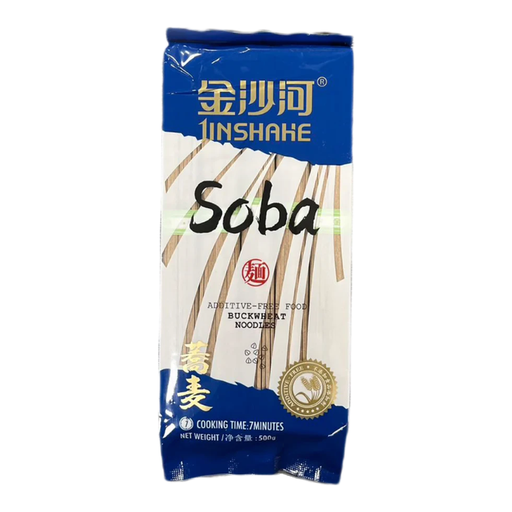
Why this fits the profile: A medium-sized dried pack for anyone wanting to try soba and buckwheat noodles without buying a bulk supply straight away.
The stated buckwheat content of at least 30% makes the composition clearer than a product name alone would.
500 g, suitable for hot and cold dishes; the product information states 5 g of dietary fibre per 100 g of dried product.
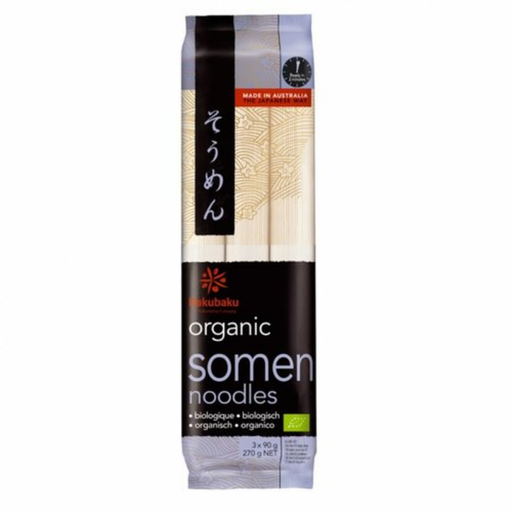
Why this fits the profile: For fans of thin Japanese noodles with a simple base of wheat flour, salt and water.
The product description explicitly mentions the thin shape, cooking options and ingredients, so you're less reliant on general marketing terms.
270 g; suitable for cold noodle dishes, soup, salads and hotpot.
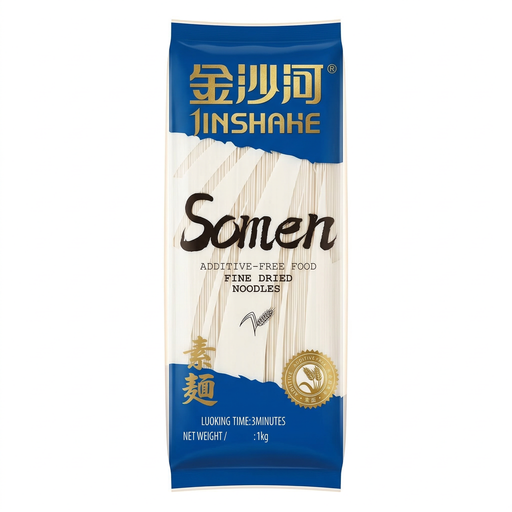
Why this fits the profile: A bulk pack for households that regularly cook noodles for soup, stir-fries or multiple people.
The weight and cooking instructions are clearly stated: 1 kg and approximately 3 to 5 minutes of boiling. This helps you plan your stock and usage more accurately.
Large pack; can be combined with broth, sauce or stir-fried vegetables.
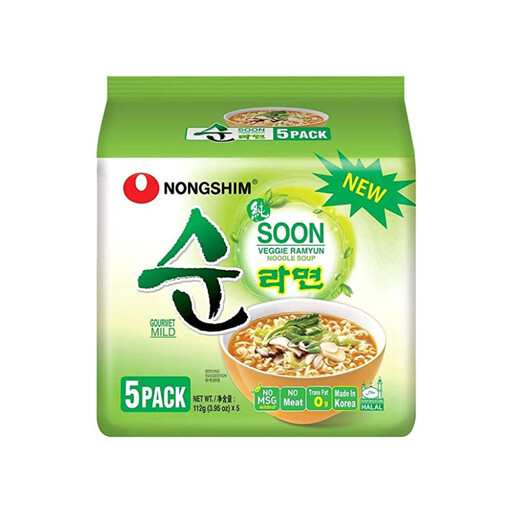
Why this fits the profile: For anyone who wants to prepare a quick Korean noodle meal and keep a few portions in the cupboard.
The product information mentions a pack of 5 portions and lists wheat and soya as allergens. Check the current packaging if you follow a vegan diet.
112 g per pack; instant preparation with noodles, soup base and dried vegetables.
We've put together a full, up-to-date list of products that fully meet these strict selection criteria and comply with current European safety regulations.
Udon noodles, wheat noodles, rice noodles and some glass noodles work well in stir-fries. Choose a noodle that, according to the pack, only needs a short cooking or soaking time. Thin vermicelli can quickly turn soft, so it's better suited to a brief cooking process.
Soba noodles contain buckwheat flour, often combined with wheat flour. Check the percentage of buckwheat, as it varies a lot from product to product. Soba is eaten both cold with a dipping sauce and hot in soup.
Dried noodles generally have a long shelf life when stored unopened, in a cool, dry place. The exact date is on the packaging. Once opened, it's important to seal them well. Instant, pre-cooked and chilled varieties have different storage instructions, so always follow the label.
