
Vandaag of morgen in huis

Kwaliteit gegarandeerd

Welkomstaanbiedingen ontgrendelen: GRATIS bezorging | Tot 80% korting | Gratis 30 dagen JoyPlus-proefperiode
Download de app
Asian noodles are handy for a quick stir-fry, pho, ramen, hotpot, spring rolls or a cold salad. Yet the range isn’t always easy to compare. A packet might claim to be “authentic”, “extra chewy” or “quick to cook”, while the real differences lie mainly in the starch, the thickness, the preparation time and the amount of seasoning.
If you buy Asian noodles without doing your homework, you’ll usually run into three problems:
The base ingredient determines the texture and the use.
Rice noodles are made from rice flour, sometimes with tapioca flour or other starches. They work well for pho, bun, stir-fries and salads. Thin varieties are often used as vermicelli; wide ones are great in soup.
The Sunlee Rice Stick Noodles are made from 90% rice flour and 10% water, according to the product information. The 400 g pack is practical when you want to buy rice noodles for several meals. The manufacturer recommends cooking the noodles fully in boiling water. View the Sunlee Rice Stick Noodles.
For Vietnamese dishes, the Vifon Bong Lua Vang is an option with a diameter of around 3 mm, according to the product description. This size is suitable for pho, soups, stir-fries and salads. For a soup, the product information advises soaking first and then cooking briefly. View the Vifon Vietnamese rice noodles.
Glass noodles are made from starch, for example mung bean, pea, potato or sweet potato starch. They turn transparent after cooking and absorb sauces and broth easily. Use them for hotpot, spring rolls, salads and stir-fries.
Pay close attention to the difference between the name and the ingredients. The Jing Xian Fang Glass Noodles contain 97% wheat starch and 3% pea starch according to the product data, so they do contain wheat. The 750 g pack is aimed at regular use. View the Jing Xian Fang Glass Noodles.
If you’re specifically looking for mung bean vermicelli, consider the Go-Tan Vermicelli. According to the product information, it is made from 85% mung bean starch and water, and the pack is 100 g. This vermicelli works well in soup, soto, salads and spring rolls. View the Go-Tan Vermicelli.
Chinese noodles and udon are generally firmer and more elastic than rice noodles. They are suitable for stir-fry noodles, noodle soup and cold preparations.
Udon is thick and soft-elastic. The Yi Wan Wu Dong Stir-Fried Udon contains wheat flour, water, modified starch and wheat gluten, according to the product information. The included sauce, oil and sesame make preparation simple, but watch out for the allergens wheat, soya, sesame and peanuts. View the Yi Wan Wu Dong Udon with mala flavour.
Don’t just look at “rice noodle” or “glass noodle” on the front. Check the full ingredients list. Pay particular attention to:
A product that claims to be free from the 14 main EU allergens according to the product information still depends on the actual packaging. Always check the label before use.
Dried noodles are usually long-lasting and good to keep in stock. Fresh noodles generally need more care with storage and once opened. Instant noodles are convenient, but come with seasonings that can significantly affect the nutritional value and salt content.
The Yang Zhang Gui Wide Vermicelli is an instant product weighing 158 g, based on sweet potato starch. The preparation instructions mention around 400 ml of boiling water and leaving it covered for 5 to 6 minutes. According to the product information, the pack contains soya, sesame and peanuts. View the Yang Zhang Gui Wide Vermicelli.
Follow the instructions on the packet. Thin rice noodles can soften quickly, while wide vermicelli or firm wheat noodles need longer. For salads or stir-fries, rinse the noodles with cold water after cooking to stop them cooking further. Noodles that need to be soaked first should not go straight into the wok for too short a time.
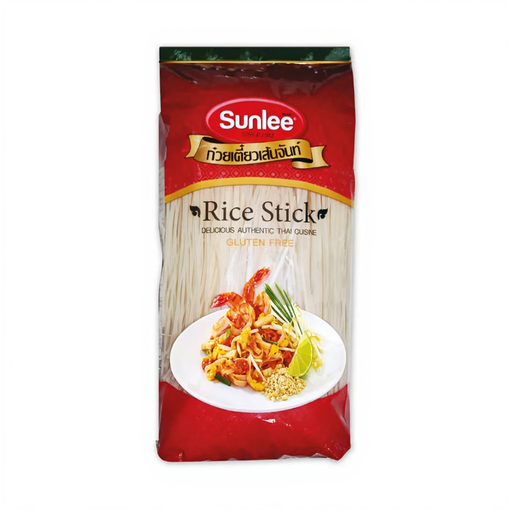
Why this fits the profile: A simple basic pack for anyone who adds their own vegetables, tofu, egg or chicken to stir-fries and soups.
The composition is straightforward: according to the product data, it consists of rice flour and water. There are no flavour sachets that add unexpected allergens.
400 g, 90% rice flour according to the product information, and suitable for soup or stir-fry dishes.
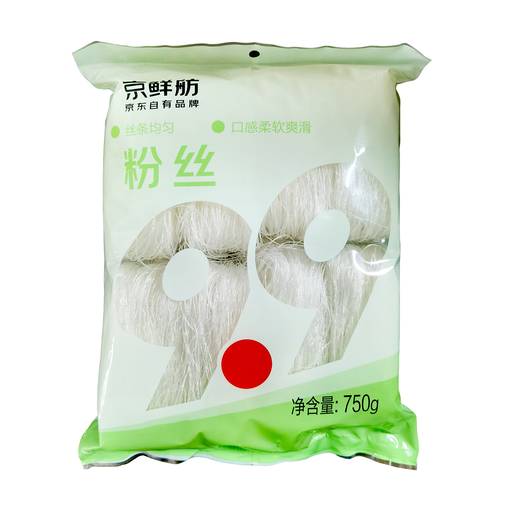
Why this fits the profile: Ideal for home cooks who want a large stock for hotpot, salads, spring rolls and noodle soup.
The product data lists the starch ratio and a clear preparation method involving soaking and a short boil.
750 g, suitable for multiple cooking methods and, according to the product information, free from fat per 100 g.
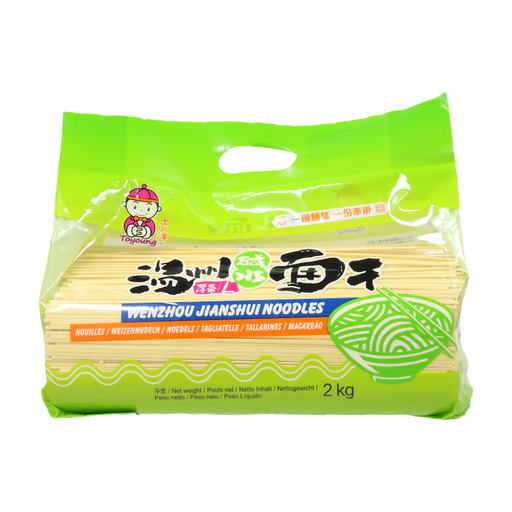
Why this fits the profile: A large pack for families, meal-prepping or anyone who uses Chinese noodles regularly.
The packaging clearly lists the ingredients and the wheat allergen. This makes it obvious upfront that this noodle is not suitable for a wheat-free diet.
2 kg, thick strips and, according to the product description, suitable for soup, stir-fries and cold noodle dishes.
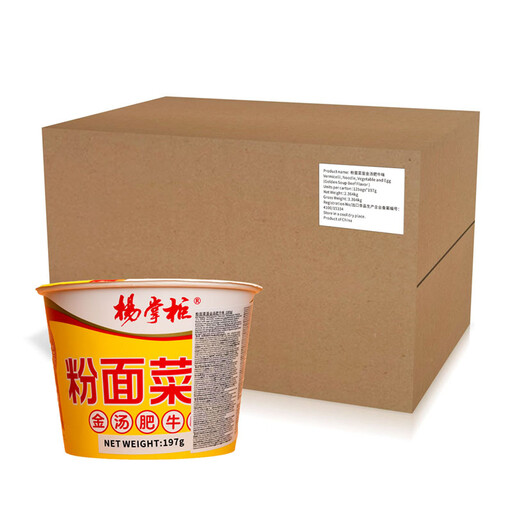
Why this fits the profile: A box of twelve portions for the store cupboard, office or a quick meal without having to gather separate ingredients.
The instructions specify a fixed portion, water at a minimum of 85 °C and around 5 minutes of soaking. The product information lists wheat, soya and sesame as allergens.
12 cups of 197 g, multiple flavour and vegetable packs, and preparation without needing a hob.
We’ve put together a full, up-to-date list of products that fully meet these strict selection criteria and comply with current European safety regulations.
For stir-fries, rice noodles, glass noodles, udon and Chinese wheat noodles all work well. Thin rice noodles cook quickly. Glass noodles absorb sauce well. Udon and thick Chinese noodles give more bite. Always check whether the noodles need to be soaked or boiled first.
Soak or cook the glass noodles according to the packet instructions and stir them occasionally to separate them. Rinse them briefly with cold water after cooking if you plan to use them later in a stir-fry or salad. If you’re not using them straight away, you can toss them with a small amount of oil, as some product instructions suggest.
Dried rice noodles, vermicelli and wheat noodles are generally suitable for long-term storage, but the exact shelf life is stated on the packaging. Store opened packs in a cool, dry place and seal them tightly. Check the best-before date, any damage and signs of moisture before use.
