
Vandaag of morgen in huis

Kwaliteit gegarandeerd

Welkomstaanbiedingen ontgrendelen: GRATIS bezorging | Tot 80% korting | Gratis 30 dagen JoyPlus-proefperiode
Download de app
Asian noodles are a handy option for a quick meal, but the range on offer varies a lot. Whether you’re after ramen noodles for a bowl of soup, dried noodles for stir-fries, or spicy instant noodles for eating on the go, it’s the ingredients, portion size and cooking method that really determine whether a pack is right for you.
Many buying mistakes come down to three common pitfalls:
The type of noodle directly affects the texture and how you use it.
Chinese noodles made from wheat flour often have a firm bite. Shanxi-style knife-cut noodles are wider and, according to the product description, suitable for a variety of Chinese noodle dishes. Lanzhou-style noodles work well in noodle soup with broth, but can also be drained and used in a stir-fry.
Look out for these details on these products:
Instant noodles, such as Nissin Demae Ramen or Korean Shin Ramyun, usually contain a pre-cooked or processed noodle block and one or more seasoning sachets. Preparation often takes three to five minutes. That makes them ideal for students, the office, travel or a speedy meal at home.
Do check the difference between:
A multipack of noodles can be a handy addition to your store cupboard, but first look at the number of servings and the portion size per bag or cup.
Japanese noodles aren’t a single fixed type. Nissin Soba Chilli contains, according to the product information, wheat and buckwheat flour. Demae Ramen Tokyo Soy uses wheat noodles with soy sauce powder and a separate sauce. Korean noodles are often available as spicy noodle soup or as a stir-fry version, such as Shin Ramyun Kimchi Stir-Fry.
The intensity of flavour often comes from the seasoning mix, oil or sauce, not just from the noodle itself. If you prefer things less spicy, you can start with part of the sachet and add more later.
Always read the current packaging. Many Asian noodles contain wheat, gluten, soya or sesame. Some varieties also contain crustaceans, fish, milk, celery, mustard or egg. The information on the product page may change; the packaging is what counts.
A simple composition, such as wheat flour, water and salt, gives you more freedom to add your own broth or stir-fry sauce. Instant noodles often have several flavour components and additives. That’s not automatically a quality issue, but it is a reason to check the label if you want to know exactly what you’re buying.
Don’t just compare the price of the pack. Also work out the price per serving:
A bag of dried noodles often contains just the basic noodle. The final meal price then depends on your broth, sauce and toppings. With instant noodles, flavourings are usually included, but check the nutritional values and salt content per prepared portion.
For stir-fries, you want noodles that stay firm after draining. For noodle soup, it’s important that the noodle doesn’t go soft too quickly. Follow the cooking instructions and adjust the cooking time slightly to suit your preference.
For example:
The times mentioned are guidelines from the product information. The desired bite can vary from person to person.
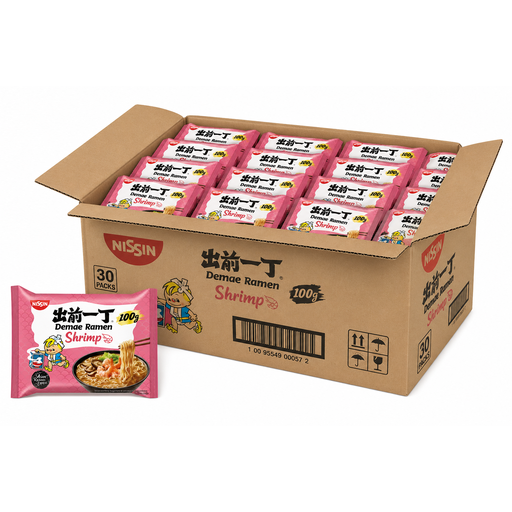
Why this fits the profile: The 100 g portions are individually packed and, according to the product information, can be prepared with boiling water in three minutes.
The preparation time and number of portions are clearly stated. Do check the allergens before buying: the product information mentions wheat, soya and crustaceans.
30 individual 100 g portions; preparation with boiling water and a stated waiting time of three minutes.
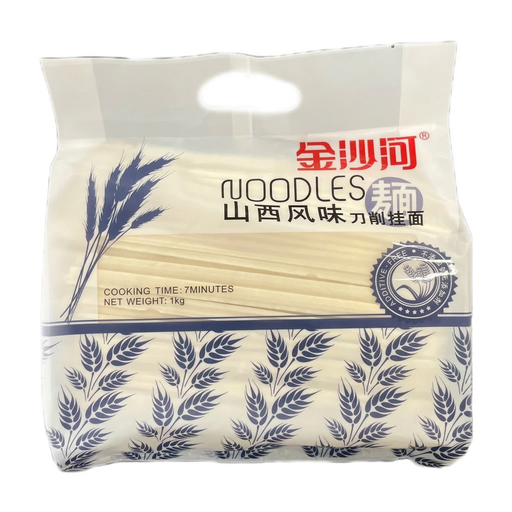
Why this fits the profile: These dried Chinese noodles have, according to the product description, a wide knife-cut shape and a firm texture suitable for a variety of dishes.
The base is made from wheat flour, water and salt. This means you can clearly see what ingredients the noodle itself contains, with no hidden sauce components.
1 kg bulk pack; suitable for soup, sauce and stir-fry dishes. Contains wheat and gluten.
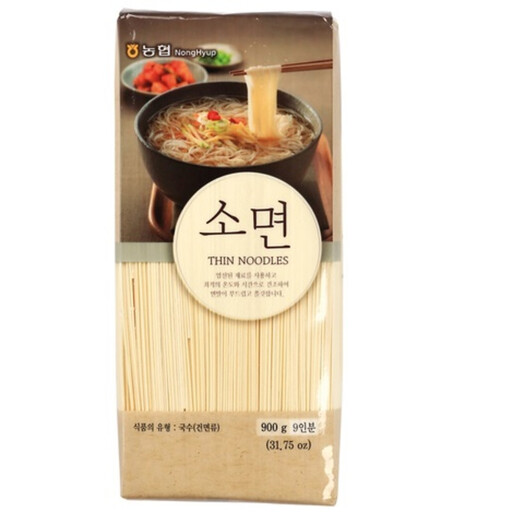
Why this fits the profile: The product information mentions uses for Korean noodle soup, cold noodles, hotpot and stir-fry dishes.
The cooking instructions give a range of four to six minutes. This lets you adjust the texture for soup, stir-fry or cold preparation.
900 g pack; ingredients according to the product information: wheat flour and salt; suitable for multiple cooking methods.
We’ve put together a full, up-to-date list of products that fully meet these strict selection criteria and comply with current European safety regulations.
Always follow the best-before date on the packaging. Store opened dried noodles in an airtight container, in a cool, dry place away from direct sunlight. Check the noodles for moisture, damage or any unusual smell before use.
Instant noodles are practical, but the nutritional values vary from product to product. Pay particular attention to the salt content, portion size and ingredients. You can add vegetables, egg, tofu or other toppings to the meal. That changes the meal’s composition, but doesn’t automatically make a product suitable for every dietary need.
Choose dried Chinese noodles or thin Korean noodles that you boil briefly and then drain. Then add them to the wok with sauce and vegetables. For a quick meal, you can also use an instant stir-fry variety, such as a product where the instructions say to drain the noodles after cooking and mix them with sauce.
